
IELTS TUTOR cung cấp 🔥Public art programs: research update Answers with location - Đề luyện tập IELTS READING- Làm bài online format computer-based, kèm đáp án, dịch & giải thích từ vựng - cấu trúc ngữ pháp khó
I. Kiến thức liên quan
II. Làm bài online (kéo xuống cuối bài blog để xem giải thích từ vựng & cấu trúc cụ thể hơn)
📩 MN AI CHƯA CÓ ĐÁP ÁN FORECAST QUÝ MỚI PART 1-2-3 NHẮN ZL 0905834420 IELTS TUTOR GỬI FREE HẾT NHA
Reading Passage 2
You should spend about 20 minutes on Questions 14–26, which are based on Reading Passage 2.
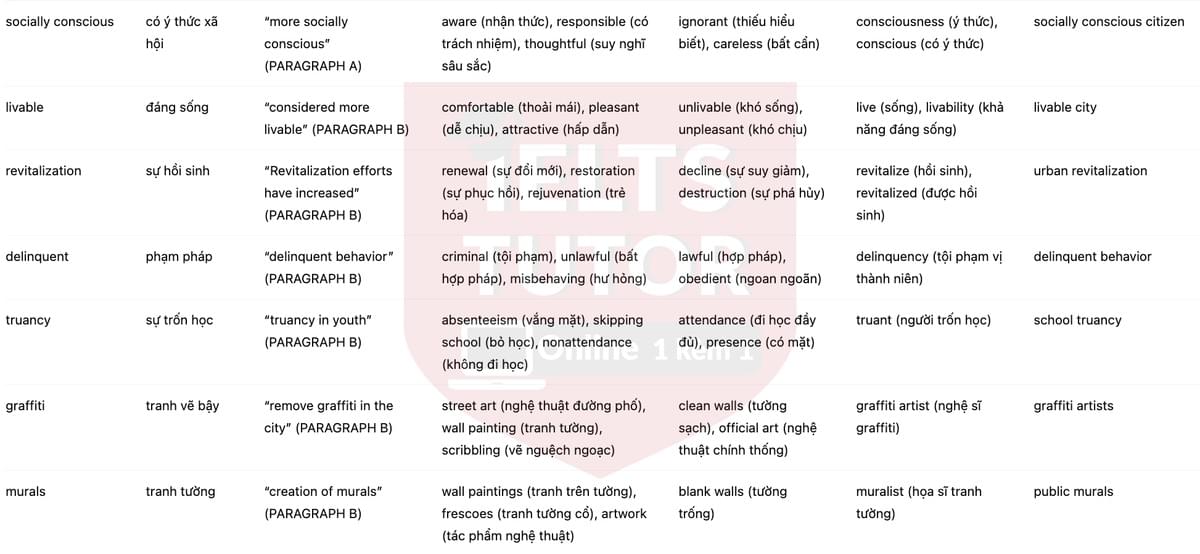
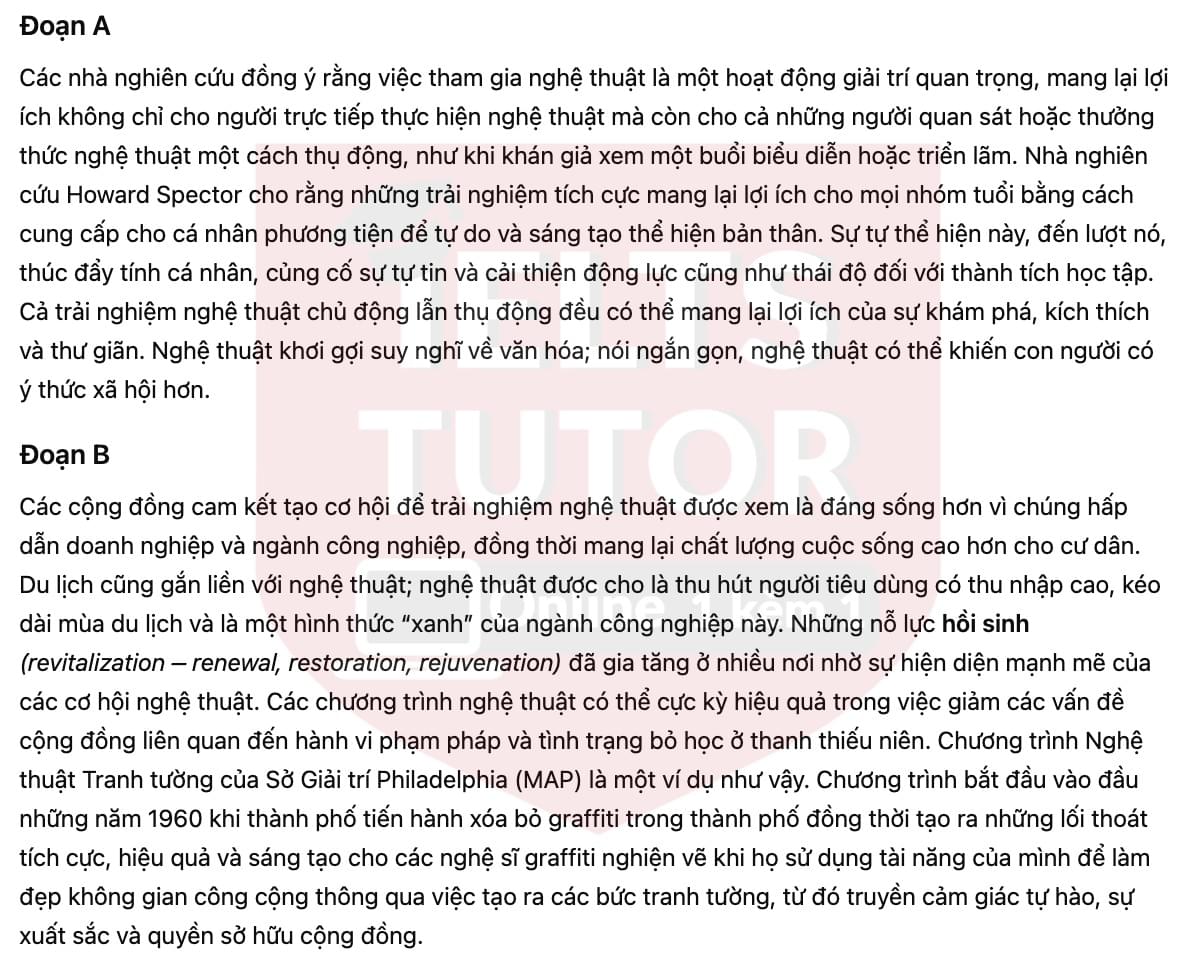
Researchers agree that art participation is an important leisure pursuit, with benefits not only to the person performing the art but also to those who observe or perform the art passively, as is the case when an audience views a performance or exhibit. Researcher Howard Spector suggests that active experiences benefit all age groups by providing individuals with the means to freely and creatively express themselves. Self-expression, in turn, promotes individuality, bolsters self-confidence and improves motivation and attitudes towards academic performance. Both active and passive art experiences can provide the benefits of discovery, stimulation and relaxation (Bolliphant 2000). Art stirs thoughts about culture; in short, art can make individuals more socially conscious.
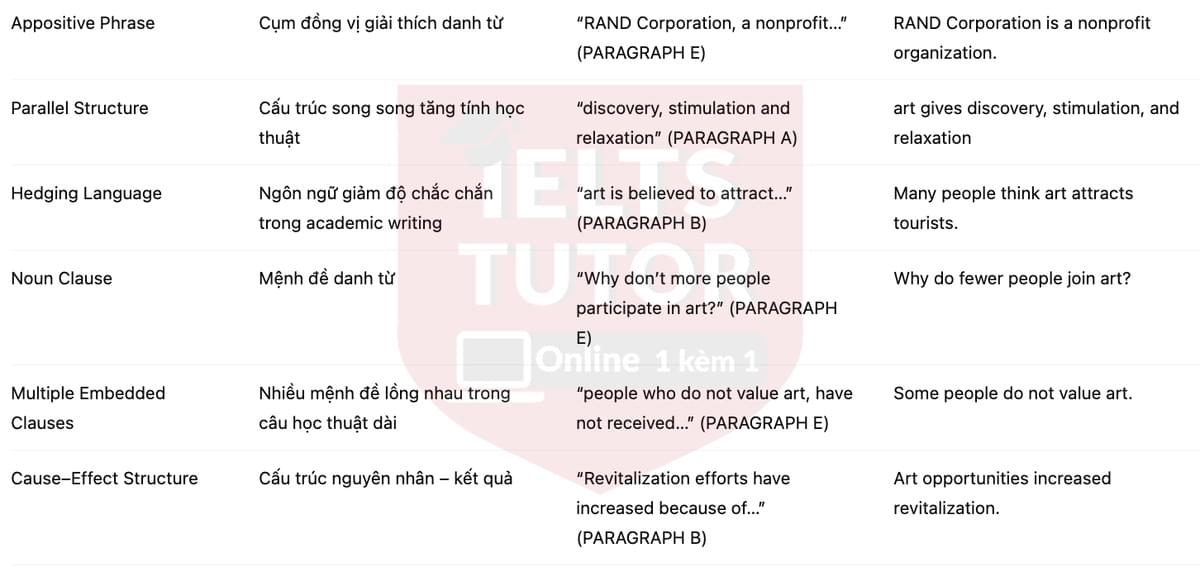
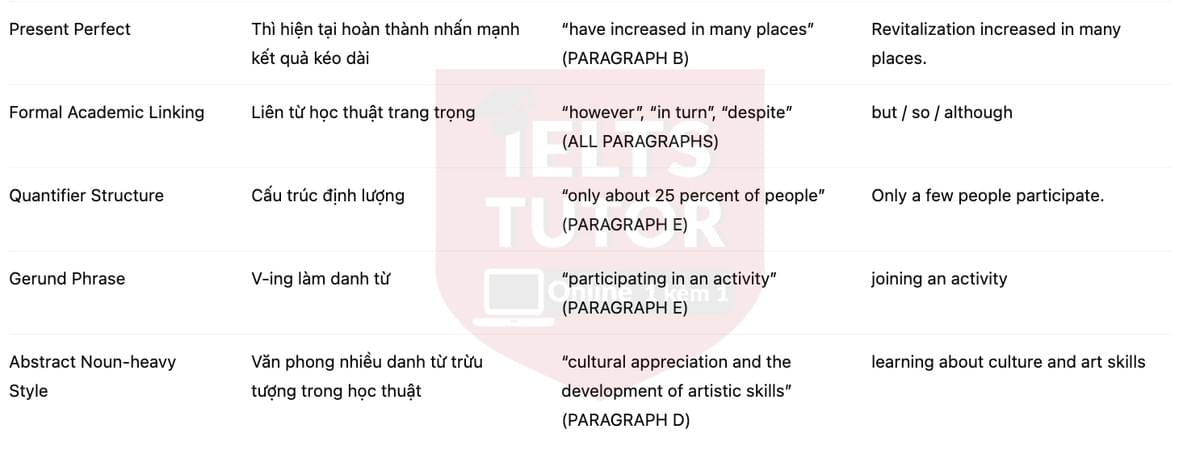
Communities committed to providing opportunities for experiencing art are considered more livable because they are attractive to businesses and industry and they offer a higher quality of life for residents (C. Hughes 2002). Tourism is also linked to art; art is believed to attract high-income consumers, extends the tourist season and is a “green” form of the industry (Hughes 2000). Revitalization efforts have increased in many places because of the strong presence of art opportunities. Art programs can be highly effective in reducing community problems related to delinquent behavior and truancy in youth (Spector 2000). The Philadelphia Department of Recreation Mural Arts Program (MAP) is one such program. It began in the early 1960s when the city undertook to remove graffiti in the city while creating positive, productive and creative outlets for addicted graffiti artists as they used their talents to beautify public spaces through the creation of murals, instilling a sense of pride, excellence and community ownership.
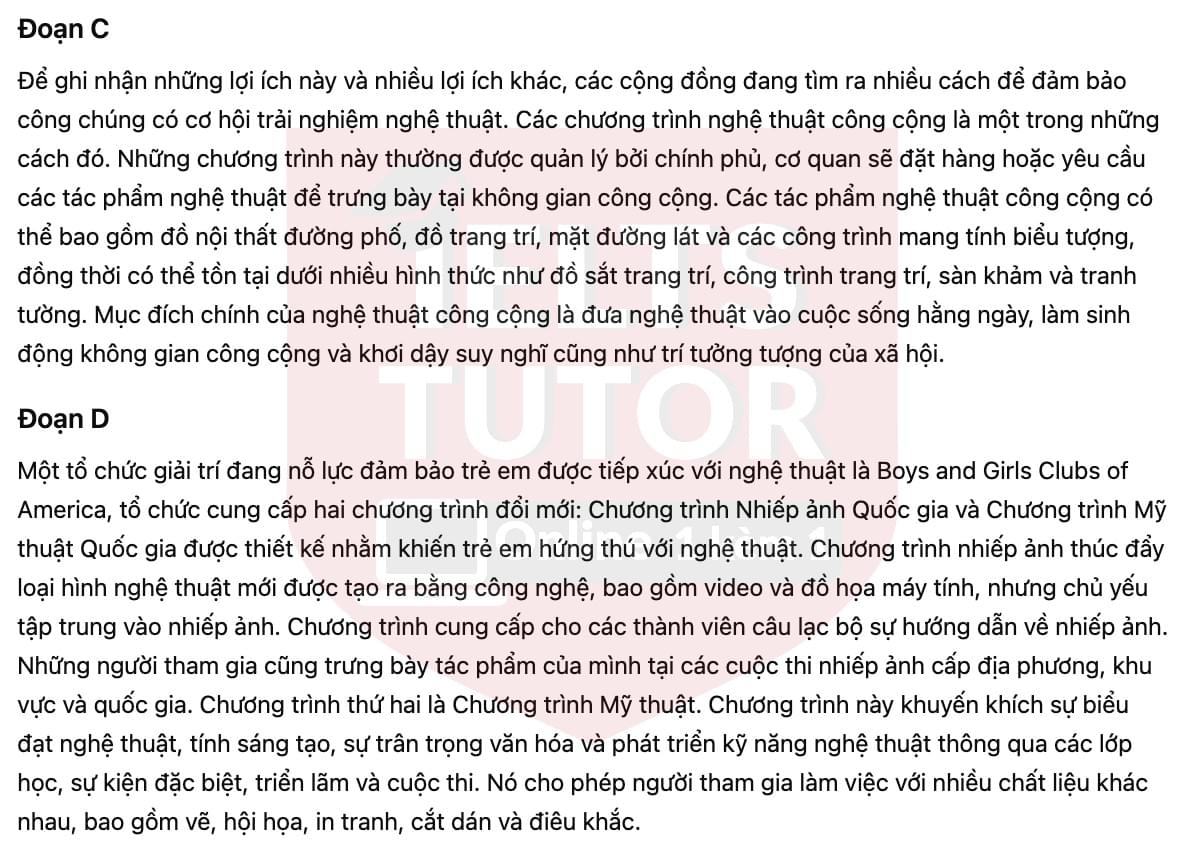
In recognition of these and other benefits, communities are finding many ways to ensure that the public is provided with opportunities to experience art. Public art programs are one way. These programs are typically administered by government, which commissions or mandates works of art for display in public spaces. Public art works can include street furniture, decorations, paving and landmarks, and may take on many forms, including ornamental ironwork, decorative work, mosaic flooring and murals. The primary purpose of public art is to bring art into everyday life, to energize public spaces and to arouse society’s thinking and imagination.
One recreation organization working to make sure children get exposed to art is the Boys and Girls Clubs of America, which offers two innovative programs: The National Photography Program and the National Fine Arts Program are designed to get kids excited about art. The photography program promotes new art that is technologically produced, including video and computer graphics, but primarily focuses on photography. The program provides club members with instruction in photography. Participants also display their work at local, regional and national photography contests. The second program is the Fine Arts Program. This encourages artistic expression, creativity, cultural appreciation and the development of artistic skills through classes, special events, exhibits and competitions. It allows participants to work with a variety of mediums, including drawing, painting, printmaking, collage and sculpture.
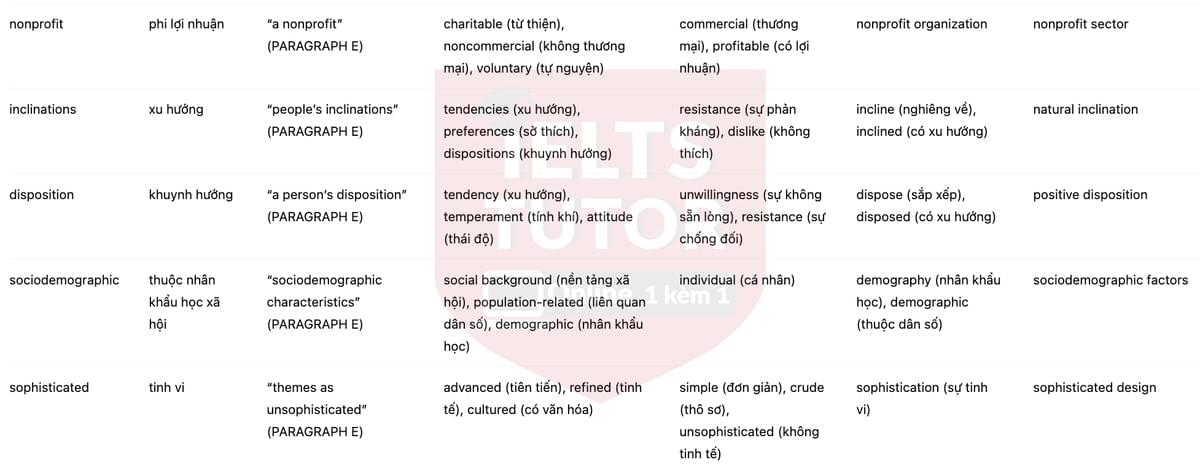
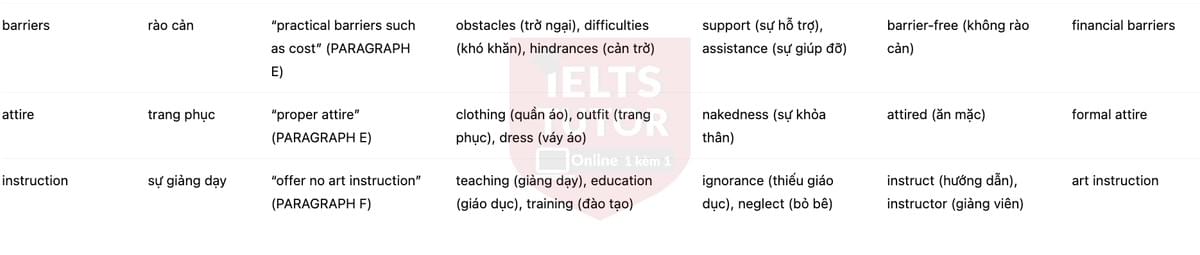
Despite the significant benefits that art participation can offer individuals and communities, only about 25 percent of people report direct participation in the arts during the year (Bolliphant 1996). Even fewer (14 percent) participate directly in photography, painting, drawing, sculpting, dance or performance art. Why don’t more people participate in art? To help researchers shed light on this question, the RAND Corporation, a nonprofit that helps improve policy and decision-making through objective research and analysis, has developed a model for looking at people’s inclinations about participating in an activity (Sisco 2000). According to the model, a person’s disposition is based on sociodemographic characteristics, social identity, personality and previous experience. The RAND model divides participants into three groups: those inclined to participate, those not inclined to participate, and those who are unfamiliar with art. This disposition might occur among people who do not value art, have not received an art education, or who perceive art themes as unsophisticated or lacking creativity; they may also have practical barriers such as cost, time, and proper attire. Current participants are those who are inclined to participate and have no barriers. The model suggests that a strong relationship exists between childhood and adult art participation; people who have a greater number of childhood art experiences are more likely to have higher rates of participation as adults.
Art education has clearly been shown to have positive benefits for children and should be offered in schools; however, almost 40 percent of schools either offer no art instruction at all or employ only part-time art teachers (Schonholz 2001).
Choose the correct heading for sections A–F from the list (i–ix). Write the number.
III. Public art programs: research update: Đề luyện tập IELTS READING (IELTS Reading Practice Test)
READING PASSAGE 2
You should spend about 20 minutes on Questions 14–26, which are based on Reading Passage 2.
Questions 14–19
Reading Passage 2 has six sections, A–F.
Choose the correct heading for each paragraph from the list of headings below.
Write the correct number, i–ix, in boxes 14–19 on your answer sheet.
List of Headings
i. Interpreting the research behind who is participating in art activities
ii. How sales of artwork have increased in many countries
iii. Two opportunities for getting kids involved in art activities
iv. How art can be made accessible to the public
v. Developing a model to explain the lack of participation in art
vi. The connection between art and media
vii. How involvement with art affects well-being and attitudes
viii. How art makes communities safer and more vital
ix. Public art programs: research update
Section A
Section B
Section C
Section D
Section E
Section F
Section A
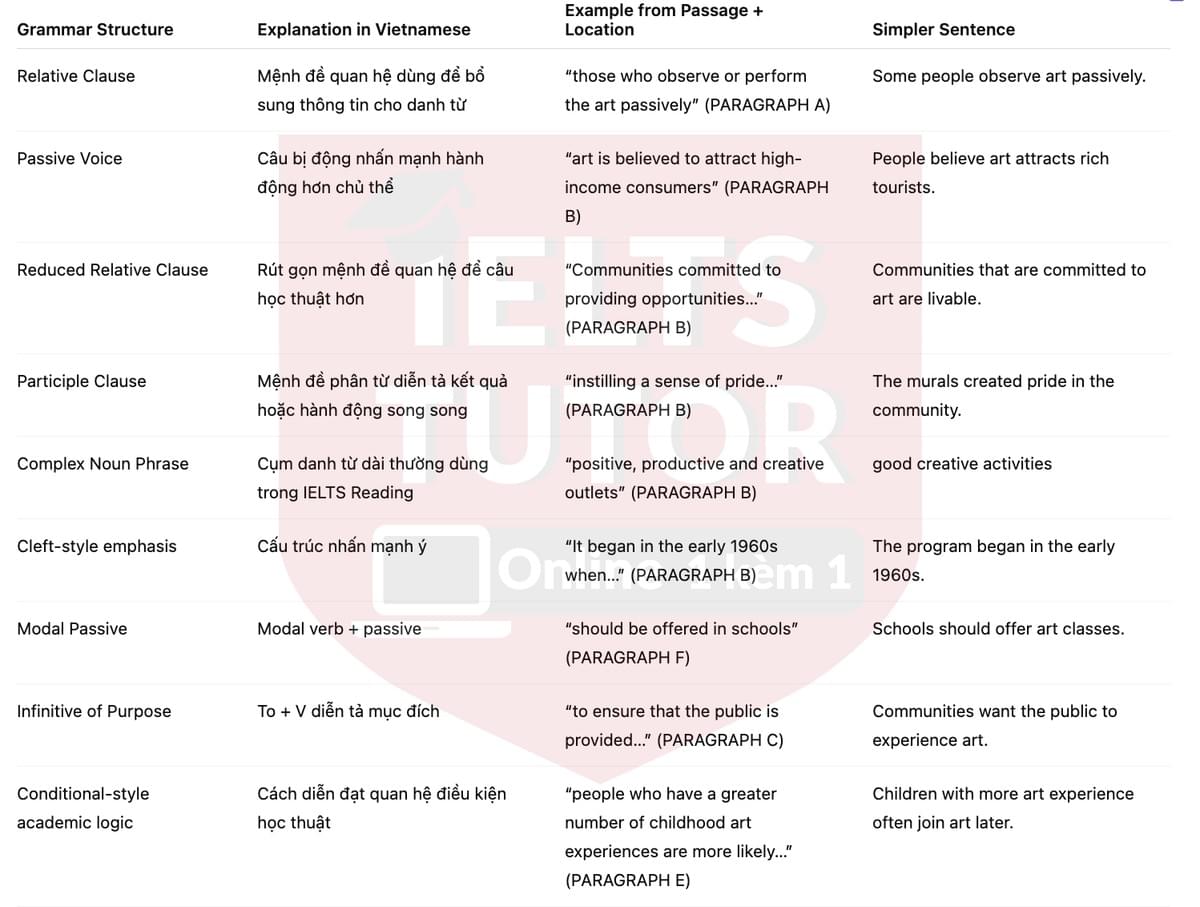
Researchers agree that art participation is an important leisure pursuit, with benefits not only to the person performing the art but also to those who observe or perform the art passively, as is the case when an audience views a performance or exhibit. Researcher Howard Spector suggests that active experiences benefit all age groups by providing individuals with the means to freely and creatively express themselves. Self-expression, in turn, promotes individuality, bolsters self-confidence and improves motivation and attitudes towards academic performance. Both active and passive art experiences can provide the benefits of discovery, stimulation and relaxation (Bolliphant 2000). Art stirs thoughts about culture; in short, art can make individuals more socially conscious.
Section B
Communities committed to providing opportunities for experiencing art are considered more livable because they are attractive to businesses and industry and they offer a higher quality of life for residents (C. Hughes 2002). Tourism is also linked to art; art is believed to attract high-income consumers, extends the tourist season and is a “green” form of the industry (Hughes 2000). Revitalization efforts have increased in many places because of the strong presence of art opportunities. Art programs can be highly effective in reducing community problems related to delinquent behavior and truancy in youth (Spector 2000). The Philadelphia Department of Recreation Mural Arts Program (MAP) is one such program. It began in the early 1960s when the city undertook to remove graffiti in the city while creating positive, productive and creative outlets for addicted graffiti artists as they used their talents to beautify public spaces through the creation of murals, instilling a sense of pride, excellence and community ownership.
>> 🔥 Form đăng kí giải đề thi thật IELTS 4 kĩ năng kèm bài giải bộ đề 100 đề PART 2 IELTS SPEAKING quý đang thi (update hàng tuần) từ IELTS TUTOR
Section C
In recognition of these and other benefits, communities are finding many ways to ensure that the public is provided with opportunities to experience art. Public art programs are one way. These programs are typically administered by government, which commissions or mandates works of art for display in public spaces. Public art works can include street furniture, decorations, paving and landmarks, and may take on many forms, including ornamental ironwork, decorative work, mosaic flooring and murals. The primary purpose of public art is to bring art into everyday life, to energize public spaces and to arouse society’s thinking and imagination.
Section D
One recreation organization working to make sure children get exposed to art is the Boys and Girls Clubs of America, which offers two innovative programs: The National Photography Program and the National Fine Arts Program are designed to get kids excited about art. The photography program promotes new art that is technologically produced, including video and computer graphics, but primarily focuses on photography. The program provides club members with instruction in photography. Participants also display their work at local, regional and national photography contests. The second program is the Fine Arts Program. This encourages artistic expression, creativity, cultural appreciation and the development of artistic skills through classes, special events, exhibits and competitions. It allows participants to work with a variety of mediums, including drawing, painting, printmaking, collage and sculpture.
Section E
Despite the significant benefits that art participation can offer individuals and communities, only about 25 percent of people report direct participation in the arts during the year (Bolliphant 1996). Even fewer (14 percent) participate directly in photography, painting, drawing, sculpting, dance or performance art. Why don’t more people participate in art? To help researchers shed light on this question, the RAND Corporation, a nonprofit that helps improve policy and decision-making through objective research and analysis, has developed a model for looking at people’s inclinations about participating in an activity (Sisco 2000). According to the model, a person’s disposition is based on sociodemographic characteristics, social identity, personality and previous experience. The RAND model divides participants into three groups: those inclined to participate, those not inclined to participate, and those who are unfamiliar with art. This disposition might occur among people who do not value art, have not received an art education, or who perceive art themes as unsophisticated or lacking creativity; they may also have practical barriers such as cost, time, and proper attire. Current participants are those who are inclined to participate and have no barriers. The model suggests that a strong relationship exists between childhood and adult art participation; people who have a greater number of childhood art experiences are more likely to have higher rates of participation as adults. >> 🔥 Nhắn zalo 0905834420 join group zalo Hóng đề thi máy 4 skills để cập nhật đề thi thật 4 kĩ năng hằng ngày [Kèm giải & đề làm online]
Section F
Art education has clearly been shown to have positive benefits for children and should be offered in schools; however, almost 40 percent of schools either offer no art instruction at all or employ only part-time art teachers (Schonholz 2001).
Questions 20–23
Look at the following statements (Questions 20–23) and the list of researchers below.
Match each statement with the correct researcher, A–D.
Write the correct letter, A–D, in boxes 20–23 on your answer sheet.
Art activities can contribute to lowering negative incidents associated with juvenile crime.
Art can bring money and visitors into a community.
Commercial interests are drawn to areas that emphasize public art.
Art activities can both energize and calm people. >> 🔥 IELTS TUTOR gợi ý tham khảo CẦN VIẾT & THU ÂM BAO NHIÊU BÀI ĐỂ ĐẠT 8.0 SPEAKING & 7.0 WRITING?
List of Researchers
A. Bolliphant
B. C. Hughes
C. Spector
D. Sisco
Questions 24–26
Choose ONE WORD ONLY from the passage for each answer.
Write your answers in boxes 24–26 on your answer sheet.
Sometimes people want to get involved in art activities but can’t afford them, can’t fit it into their schedule, or don’t have the suitable ________.
A noticeable ________ exists between childhood and those in adulthood involvement.
The National Photography Program allows members to grow personally and to be recognized for their artistic ________.
IV. Dịch bài đọc Public art programs: research update
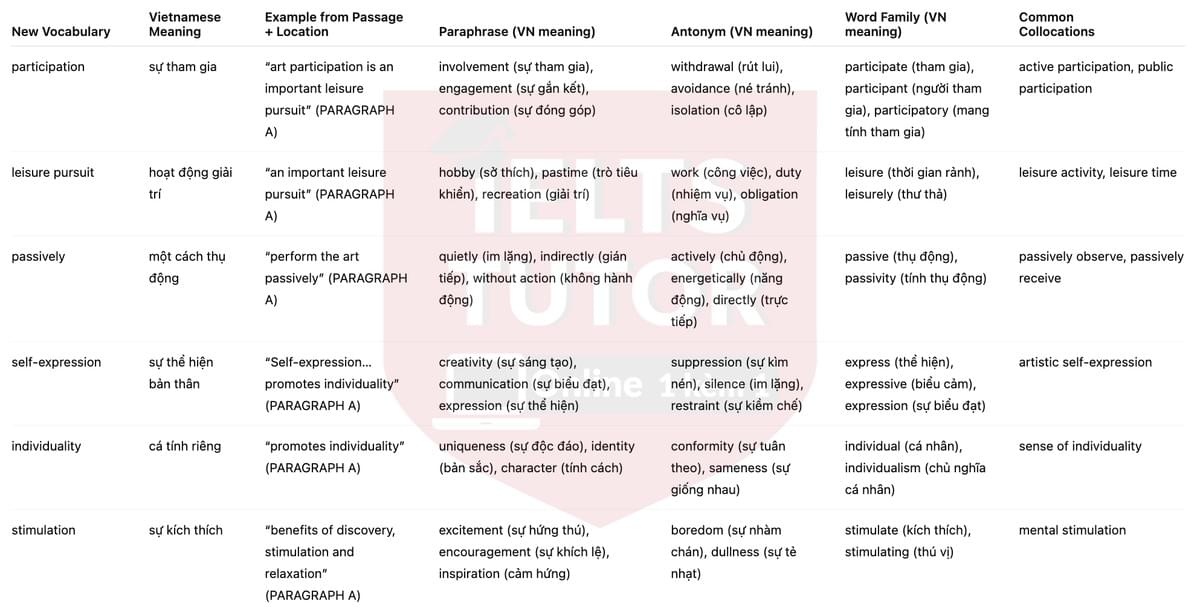
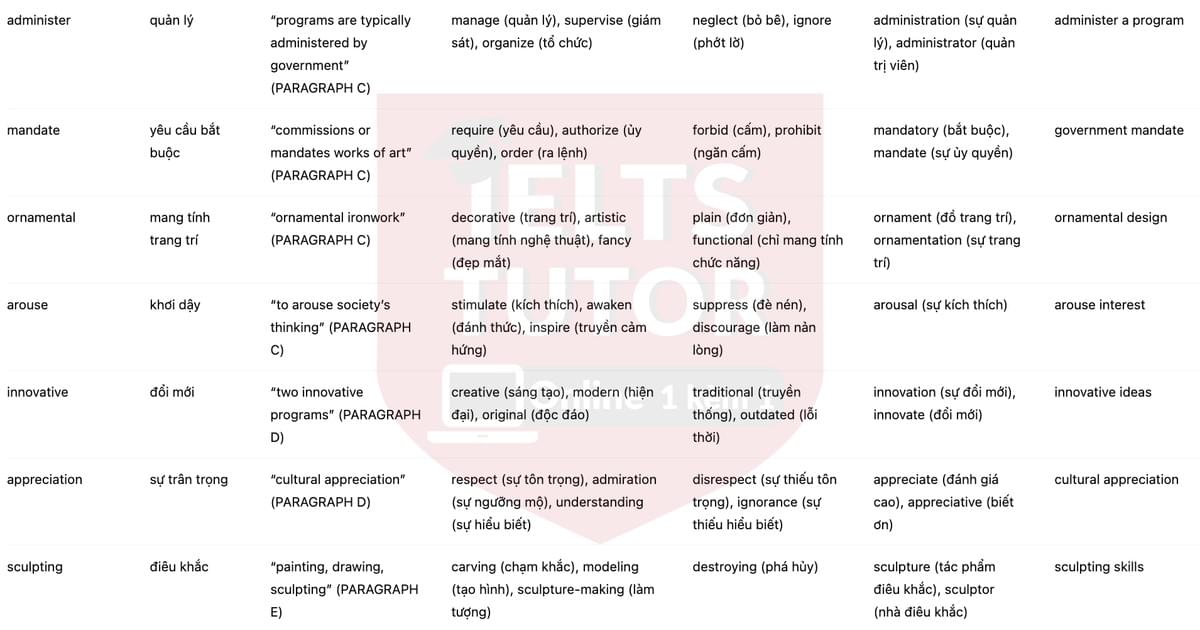
V. Giải thích từ vựng Public art programs: research update
VI. Giải thích cấu trúc ngữ pháp khó Public art programs: research update
VII. Đáp án Public art programs: research update
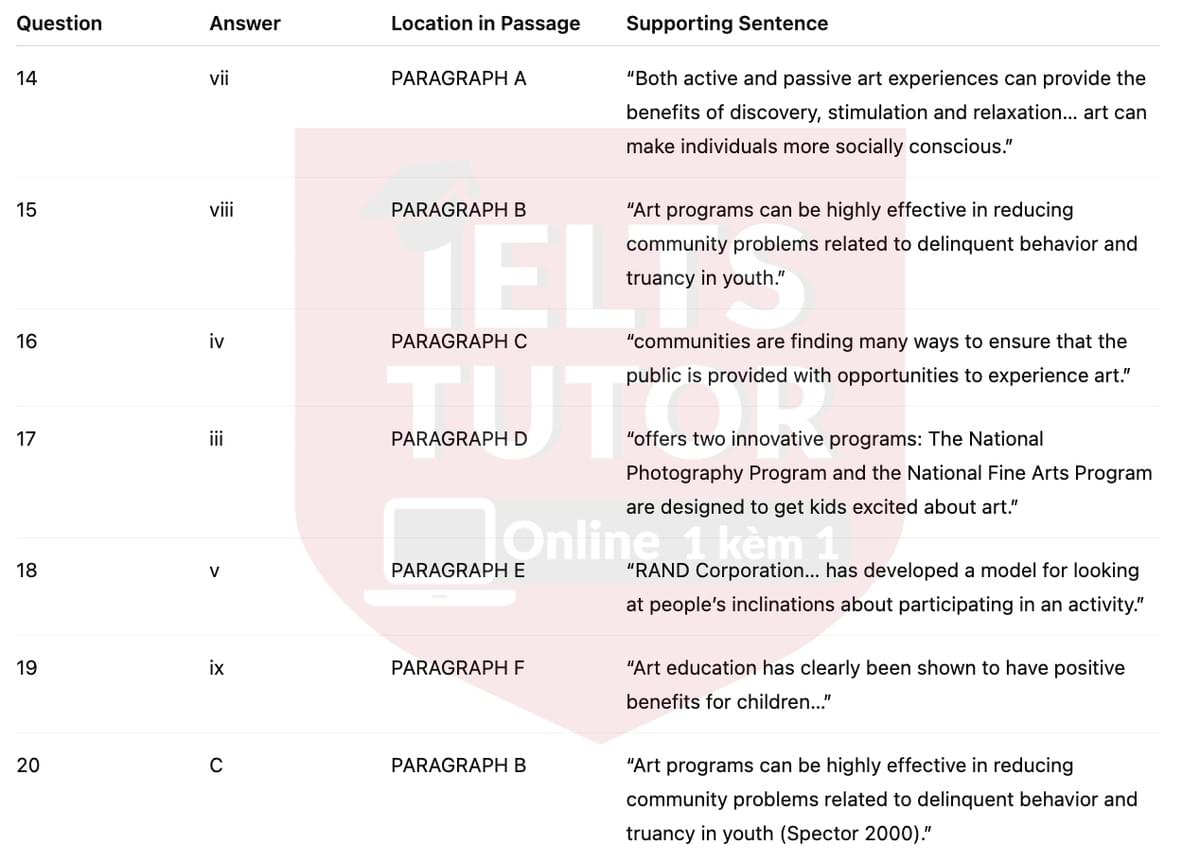
14. vii
15. viii
16. iv
17. iii
18. v
19. ix
20. C
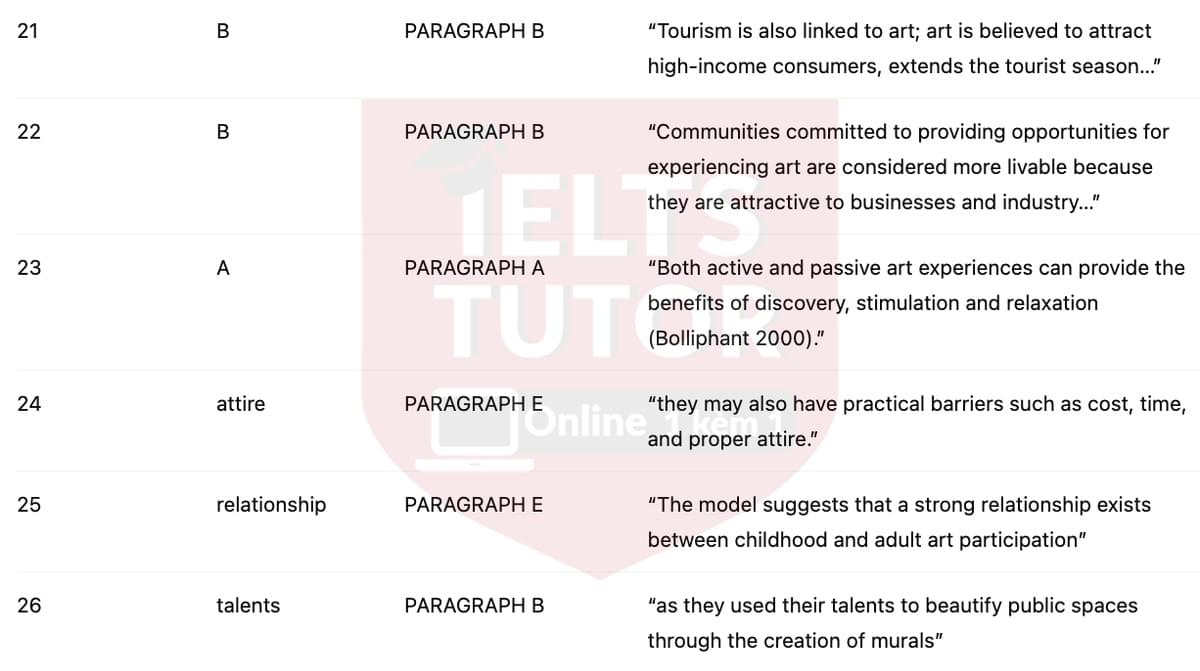
21. B
22. B
23. A
24. attire
25. relationship
26. talents
📩 MN AI CHƯA CÓ ĐÁP ÁN FORECAST QUÝ MỚI PART 1-2-3 NHẮN ZL 0905834420 IELTS TUTOR GỬI FREE HẾT NHA

Các khóa học IELTS online 1 kèm 1 - 100% cam kết đạt target 6.0 - 7.0 - 8.0 - Đảm bảo đầu ra - Thi không đạt, học lại FREE
>> Thành tích học sinh IELTS TUTOR với hàng ngàn feedback được cập nhật hàng ngày
