
IELTS TUTOR cung cấp The origin of language - Đề luyện tập IELTS READING (IELTS Reading Practice Test) - Làm bài online format computer-based, kèm đáp án, dịch & giải thích từ vựng - cấu trúc ngữ pháp khó & GIẢI ĐÁP ÁN VỚI LOCATION
I. Kiến thức liên quan
📩 MN AI CHƯA CÓ ĐÁP ÁN FORECAST QUÝ MỚI PART 1-2-3 NHẮN ZL 0905834420 IELTS TUTOR GỬI FREE HẾT NHA
II. Làm bài online (kéo xuống cuối bài blog để xem giải thích từ vựng & cấu trúc cụ thể hơn)
The origin of language
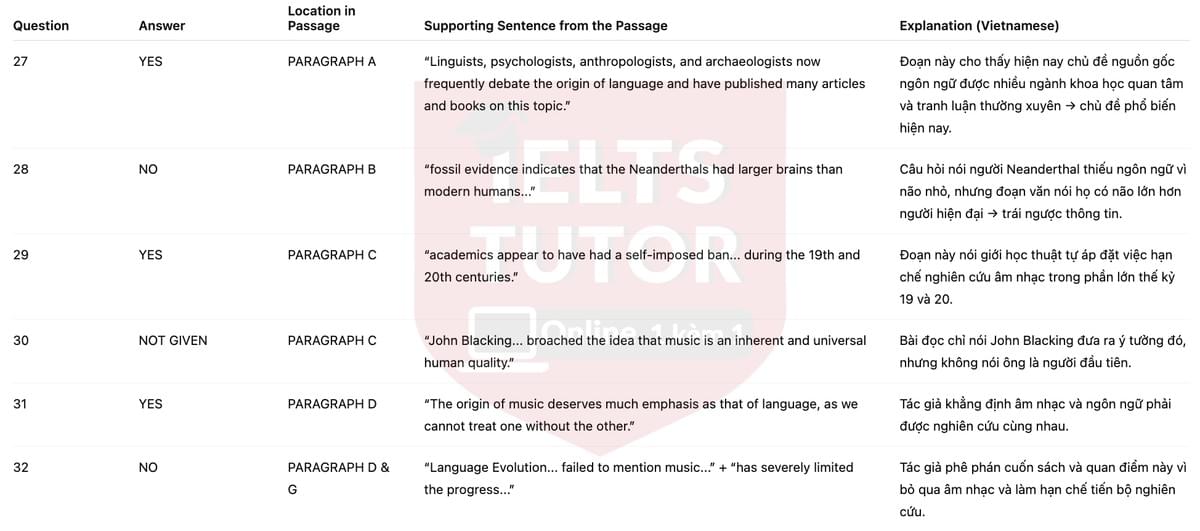
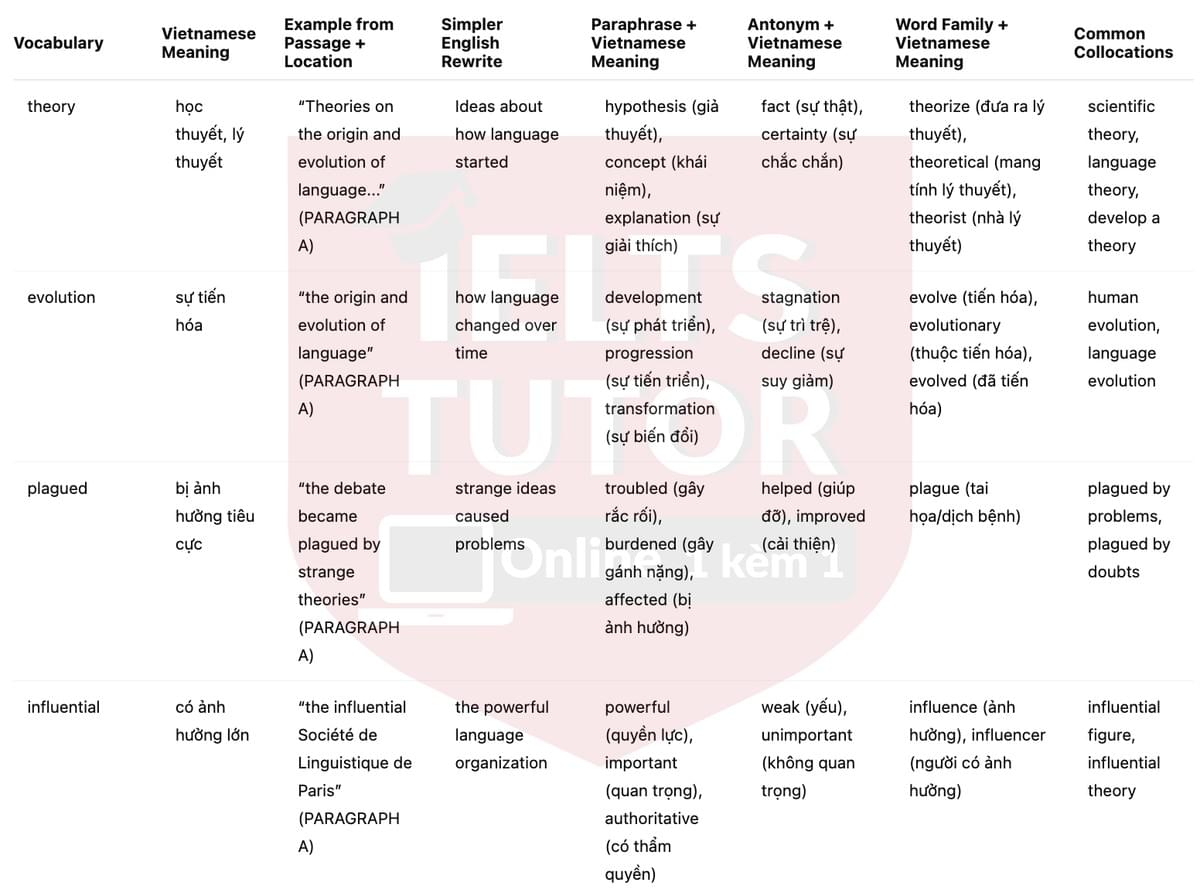
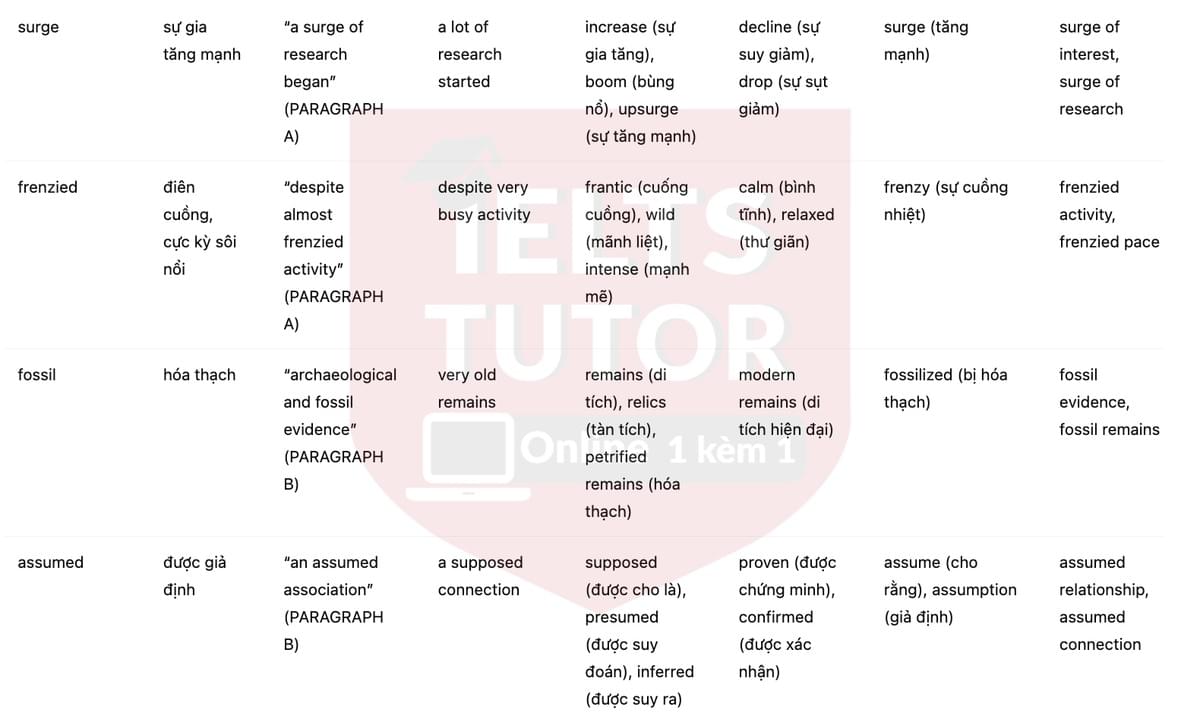
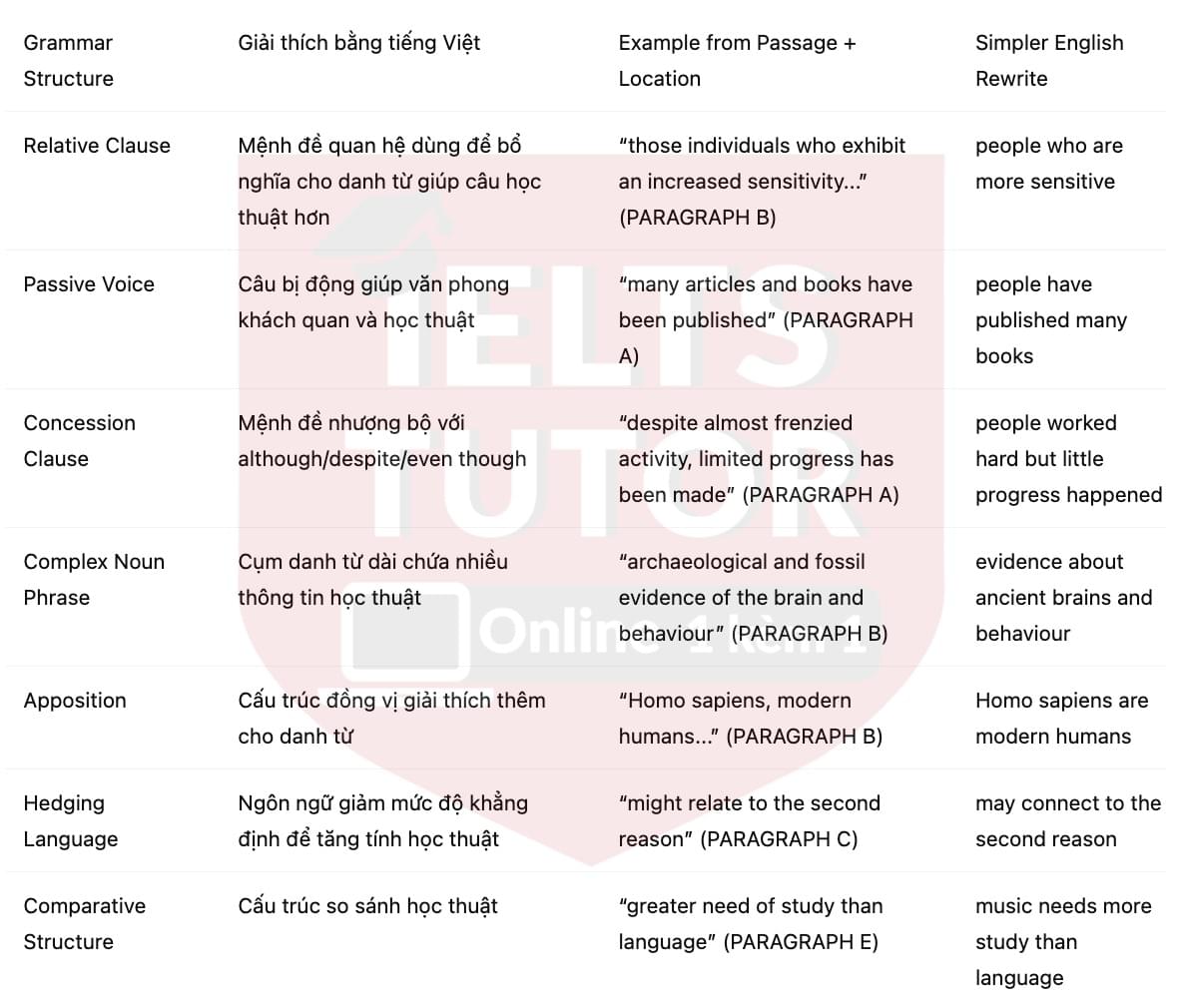
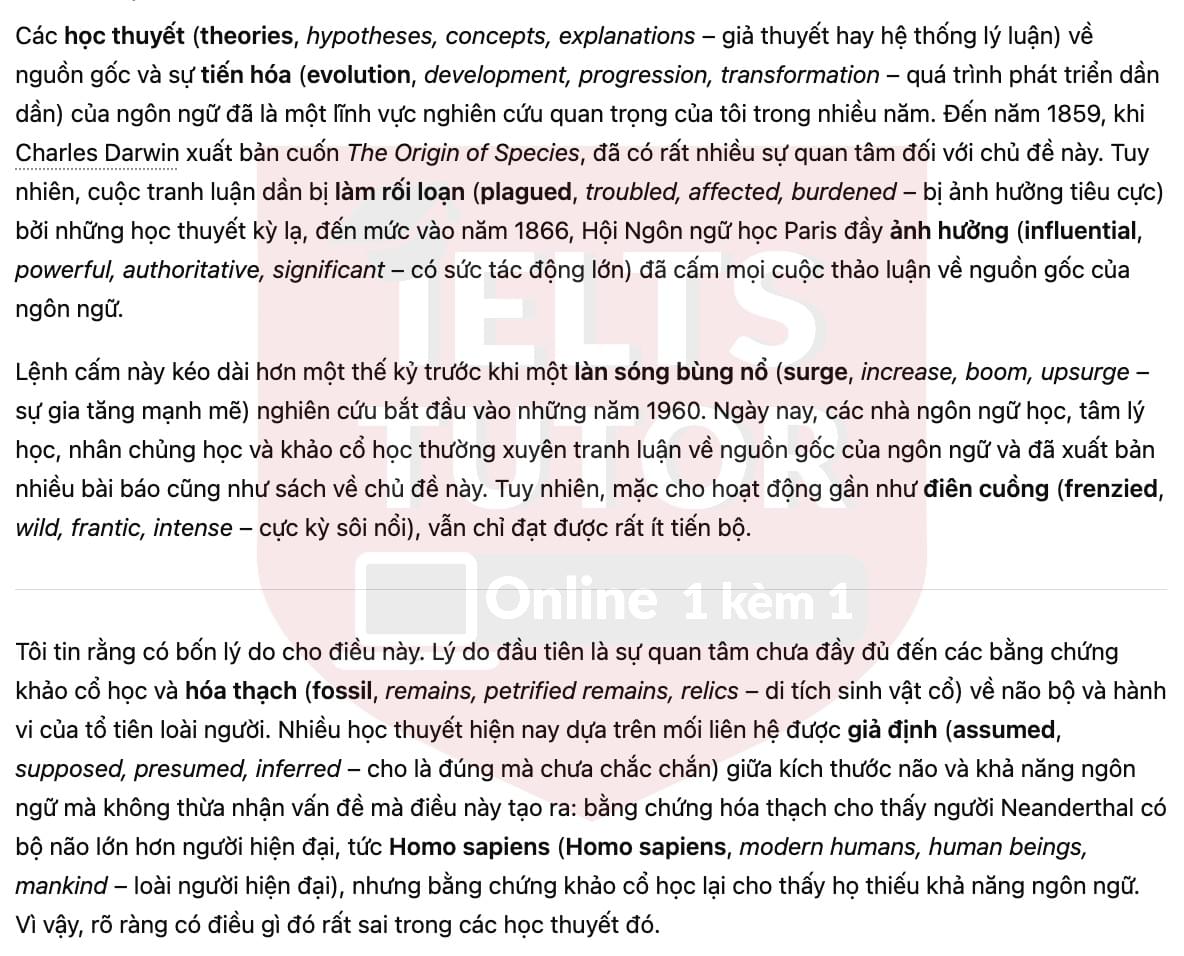
Theories on the origin and evolution of language have been a major area of my research for many years. By 1859, when Charles Darwin published The Origin of Species, there was already a great deal of interest in this subject. However, the debate became plagued by strange theories, so much so that in 1866 the influential Société de Linguistique de Paris banned all discussion about the origin of language. The ban lasted for more than a century, before a surge of research began during the 1960s. Linguists, psychologists, anthropologists, and archeologists now frequently debate the origin of language and have published many articles and books on this topic. And yet, despite almost frenzied activity, limited progress has been made.
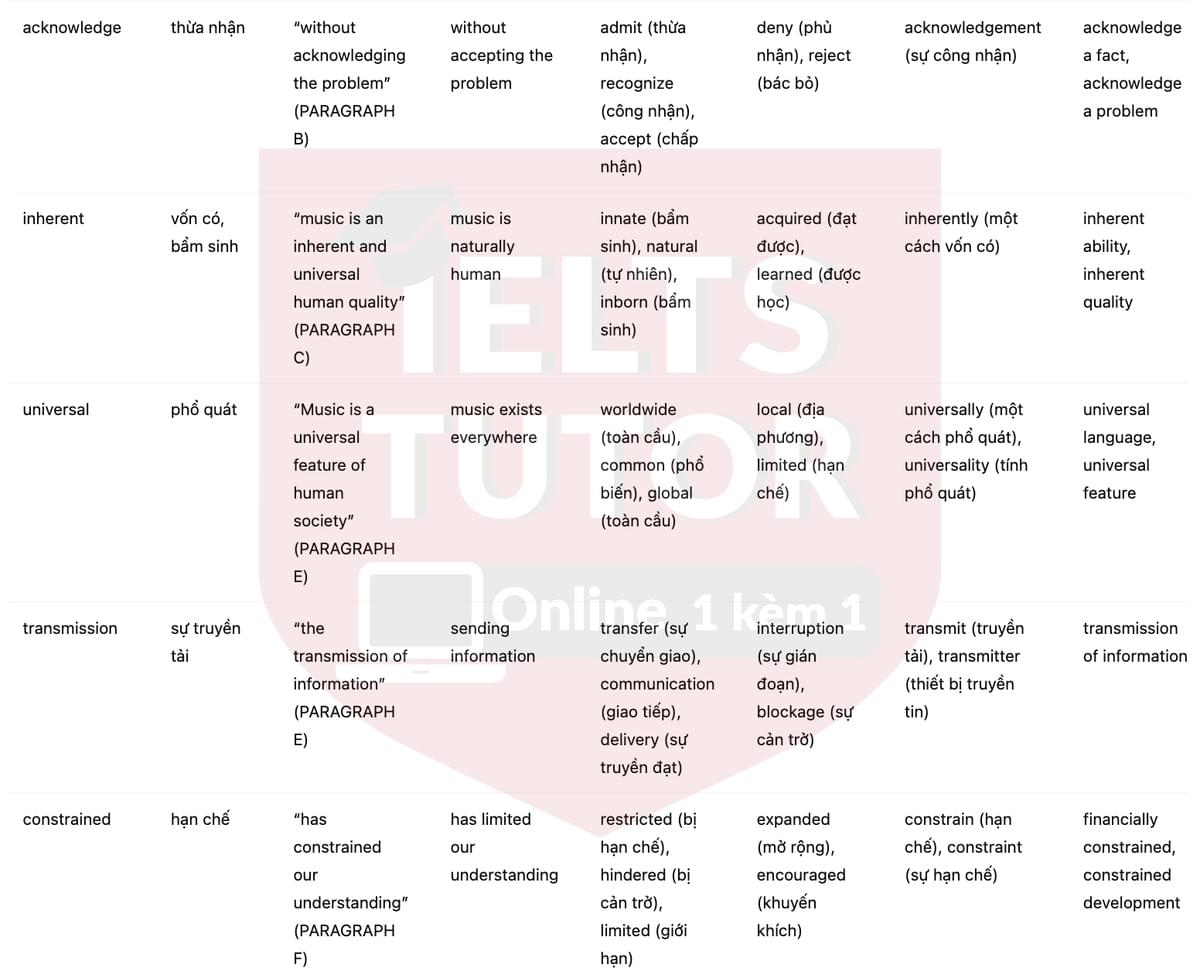
I believe there are four reasons for this. The first is an insufficient concern with the archaeological and fossil proof of the brain and behaviour of our human ancestors. Many theories to date rely on an assumed association between brain size and language abilities, without acknowledging the problem this creates: fossil evidence indicates that the Neanderthals had larger brains than modern humans, Homo sapiens, but archaeological evidence indicates that the Neanderthals lacked a capacity for language. So something is seriously missing with those theories.
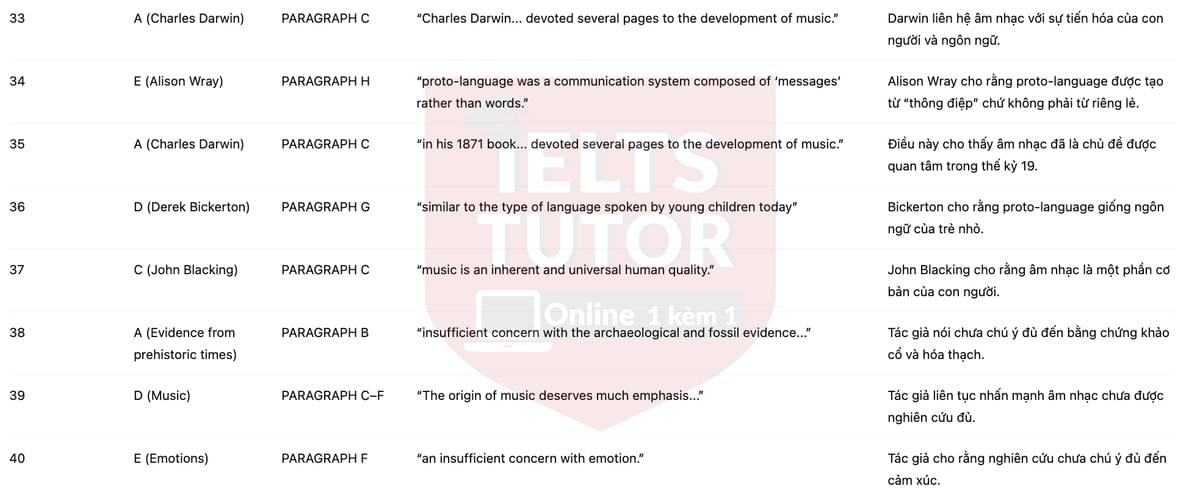
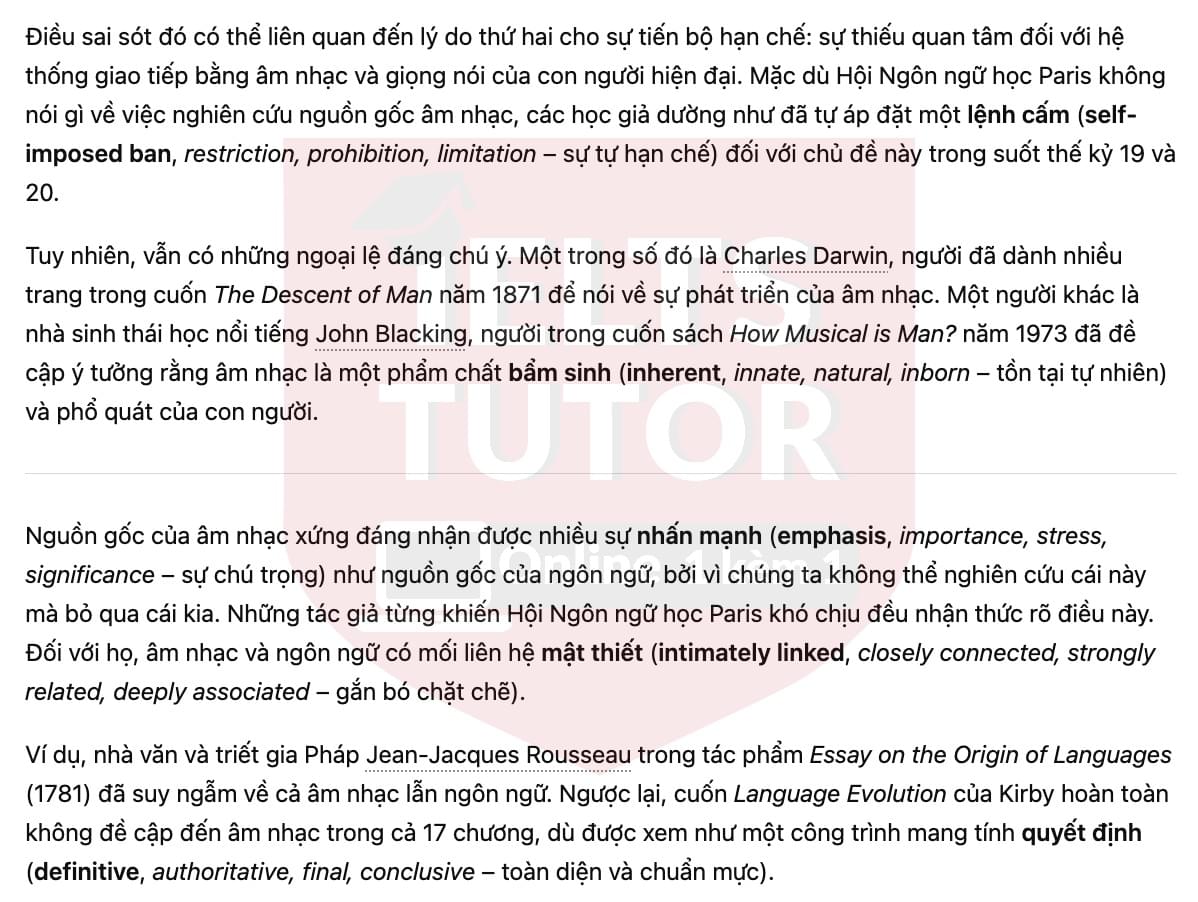
That something might relate to the second reason for limited progress: insufficient concern with the other major vocal communication system of modern humans – music. Even though the Société de Linguistique de Paris had nothing to say about studying the origin of music, academics appear to have had a self-imposed ban, with little discussion of this during the 19th and 20th centuries. However, there are notable exceptions that should be acknowledged. One is the aforementioned Charles Darwin who, in his 1871 book on human evolution, The Descent of Man, devoted several pages to the development of music. Another is the renowned ethnomusicologist John Blacking, whose 1973 book, How Musical is Man?, broached the idea that music is an inherent and universal human quality.
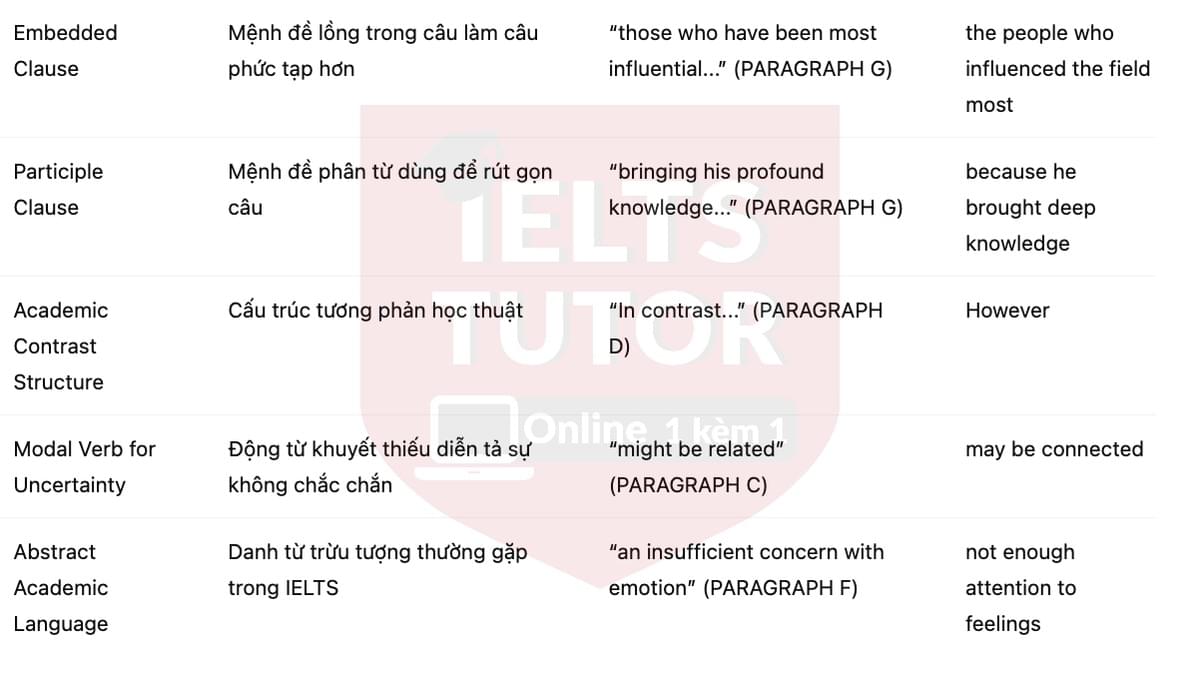
The origin of music deserves as much attention as that of language, as we cannot treat one without the other. Those writers who had evidently annoyed the Société de Linguistique de Paris were quite aware of this. For them, music and language were intimately linked. The French writer and philosopher Jean-Jacques Rousseau's Essay on the Origin of Language (1781) was a reflection on both music and language. In contrast, Martina and Simon Kirby's book, Language Evolution (2000), which they conceived as a definitive book on the subject, failed to mention music in any of its 17 chapters. Those authors have an important lesson to learn from Rousseau and other writers of his time who addressed the origin of language.
Music is a universal feature of human society and plays a significant role in the lives of all individuals. Indeed, music is perhaps in even greater need of study than language: the latter has a self-evident function – the transmission of information – and can be readily accepted as a product of evolution, even if its specific evolutionary history remains under debate. But what is the point of music?
That question leads directly to a third reason for our lack of progress in understanding how language evolved, and indeed the human mind in general: an insufficient concern with emotion. If music is about anything, it is about expressing emotion. But while archaeologists have put significant effort into examining the intellectual capacities of our ancestors, their emotional lives have been sorely neglected. This has contributed to the neglect of music, which, in turn, has constrained our understanding of language.
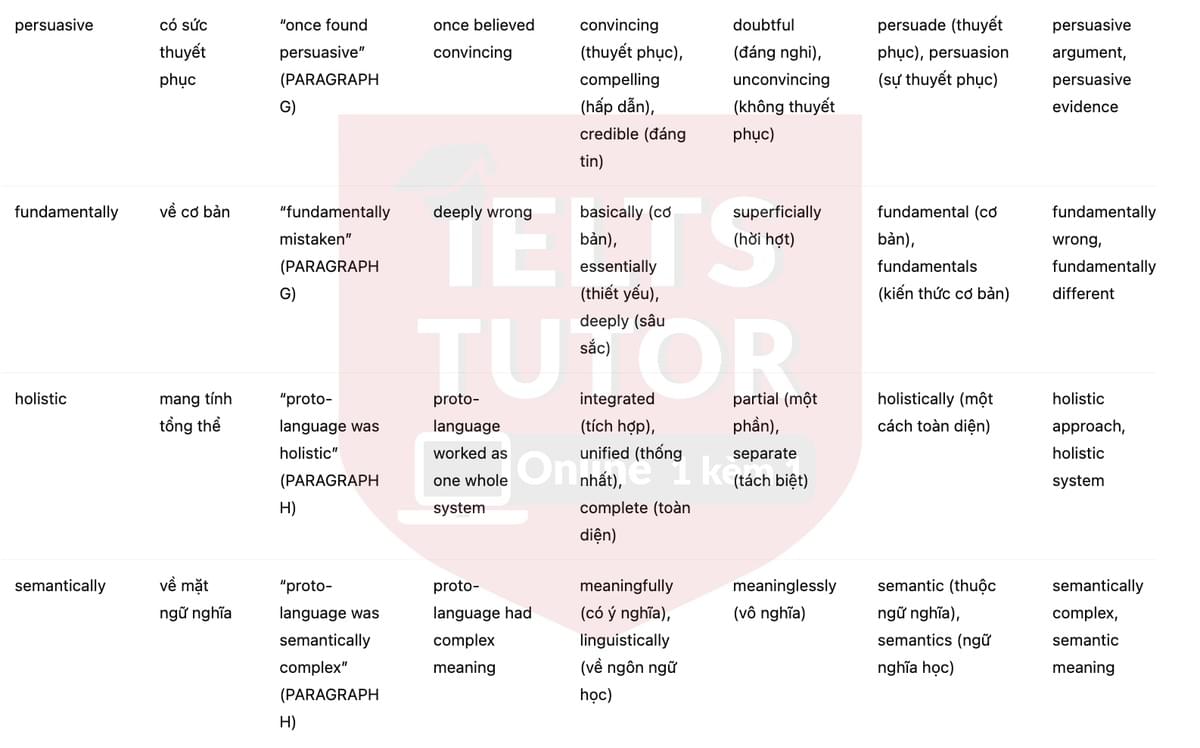
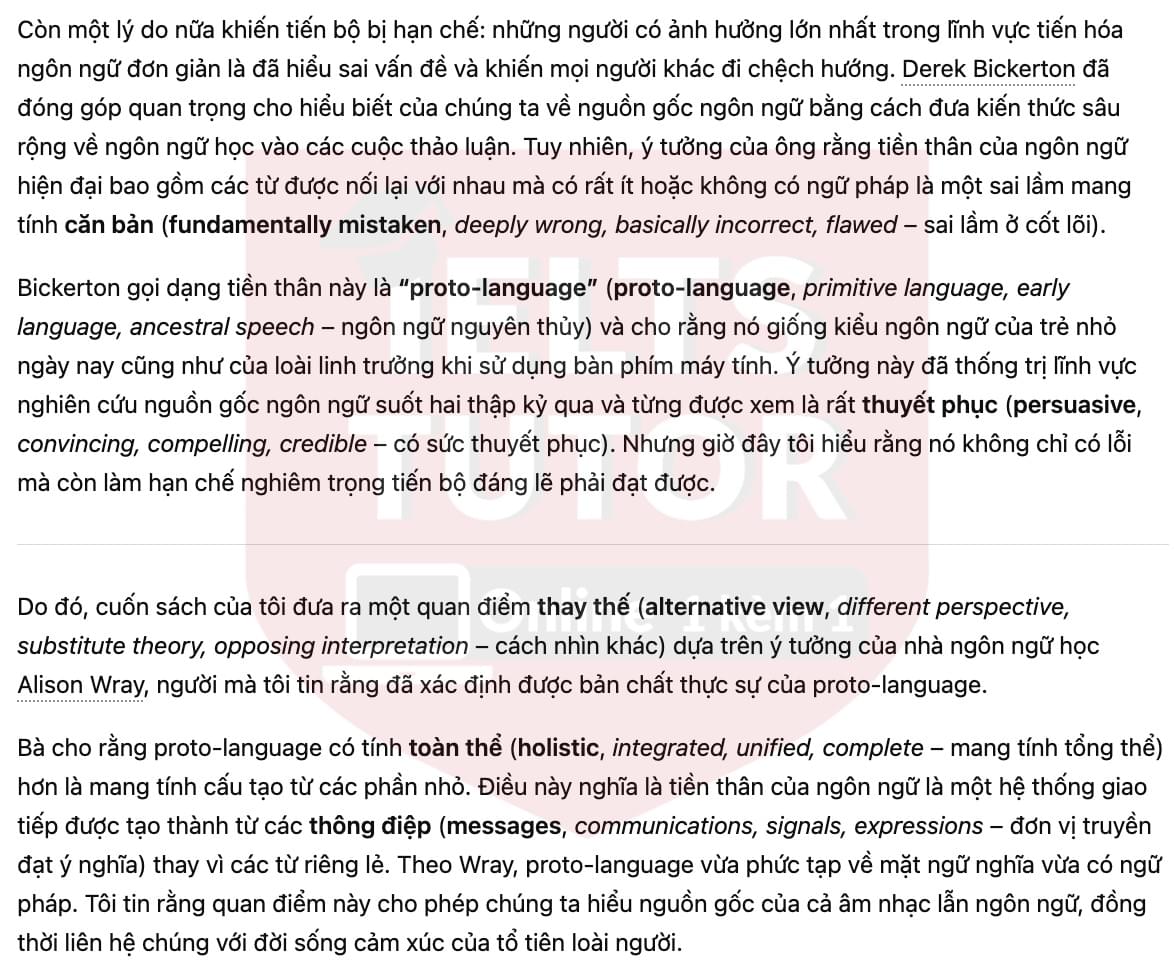
There is one further reason why progress has been limited: those who have been most influential regarding the evolution of language have simply got it wrong, and misled everyone else. Linguist Derek Bickerton has made an important contribution towards our understanding of the origin of language by bringing his profound knowledge of linguistics to the discussions that have occurred. But Bickerton's idea that the precursor of modern language consisted of words strung together with limited, if any, grammar is, I believe, fundamentally mistaken. Bickerton refers to this precursor as 'proto-language' and suggests that it was similar to the type of language spoken by young children today, and mastered by apes through the use of computer keyboards. This idea has dominated the field of language origin for the last two decades, and is one that I once found persuasive. But I now understand that it is not only flawed but has severely stifled the progress that should have been made.
My book therefore provides an alternative view – one that draws on the idea of a linguist who has, I believe, identified the true nature of proto-language. Her name is Alison Wray. She argues that proto-language was holistic rather than compositional in character. By this she means that the precursor to language was a communication system composed of 'messages' rather than words. For Wray, proto-language was semantically complex and grammatical. I believe this insight enables us to understand the origin of music as well as language, and to relate both to the emotional lives of our human ancestors.

III. The origin of language: Đề luyện tập IELTS READING (IELTS Reading Practice Test)
The origin of language
Theories on the origin and evolution of language have been a major area of my research for many years. By 1859, when shent Chain published The Grige of Species, there was already a great deal of interest in this subject. However, the debate became plagued by strange theories, so much so that in 1866 the influential de Linquedar and al cusions about the origin of language. The ban lasted for more than a century, before surge of research began during the 1960s. Linguists, psychologists, anthropologists, and archeologis now frequently debate the origin of language and have published many articles and books on this topic. And yet, despite almost frenzied activity, rited progress has been made.
I believe there are four sons for this. The first is an eficient conce with the archaeological and foal proof of the brain and behaviour of our human ancestors. Many theories to date rely on an asumed association between brain size and language abilities, without acknowledging the problem this create: fall evidence indicates that the Neanderthals hadlanger brains than modern humans, Homo sapiens, but archaeological evidence indicates that the Neanderthals lacked a capacity for language. So something is seriously miss with those th
That something might relate to the second season for limited progres: insuficient concem with the other major and vocal communication system of modem humanamu. Even though the Socié de Linguistique de Paris had nothing to say about studying the origin of music, academics appear to have had a self-imposed ben, with teddiscusion of this during the 19th and 20th centuries. However, there are notable exceptions that should be acknowledged. One is the aforementioned Charles Darwin who, in his 1871 book on human evolution, The Descent of Men, devoted several pages to the development of music. Another is the renowned ecologist John Blacking, whose 1973 book, Now Musicalis Man?, broached the idea that music is an inherent and universal human quality. >> 🔥 Form đăng kí giải đề thi thật IELTS 4 kĩ năng kèm bài giải bộ đề 100 đề PART 2 IELTS SPEAKING quý đang thi (update hàng tuần) từ IELTS TUTOR
The origin of music deserves much entonasthat of language, as we canot treat one without the other. Those writers who had evidently annoyed the Société de Linguistique de Paris were quite aware of this. For them, music and language were intimately liked the French writer and philosopher Jean-Jacques Rouss the Origin of Language (1781) was a reflection on both music and language. In contrast, Marth and Son Kirby's book, Language Evalution (200), which they conceived as definitive book on the subject, fed to mention music in any of its 17 chapters. Those authors have an important lesson to learn from Ross and other writers of his time who addressed the origin of language.
Music is a universal feature of human society and plays a significant role in the lives of all individuals. Indeed, music is perhaps in even greater need of study than language: the latter has a self-evident function-the transion of information-and can be readily accepted as a product of evolution, even if its specific every history remains under But what is the point of music?
That question leads directly to a third reason for our lack of progress in understanding how language evolved, and inded the human mind in general: an auficient cancer with emotion. If music is about anything, it is about expressing emotion. But while archaeologists have put significant effort into examining the intelectual capacts of our ancestors, their emotional vs have been sorely neglected. This has contributed to the neglect of music, which, in turn, has constrained our understanding of language.
There is one further reason why progress has ben limited those who have been most influential regarding the evolution of language have simply got it wrong, and misled everyone else. LingaDek Bickerton has made an important contribution towards our understanding of the origin of language by bringing his profound knowledge of linguistics to the discusions that have ocumed. But Bickerton's idea that the precursor of modemlanguage consisted of words strung together with limited, if any, grammar is, I believe, fundamentally mistaken. Bickertoners to this precursor as 'proto language' and suggests that it was similar to the type of language spoken by young children today, and mastered by apes through the use of computer keyboards. This idea has dominated the field of language origin for the last two decades, and is one that once found persuasive. But I now understand that it is not only flawed but has severely sited the progress that should have ben made.
>> 🔥 Nhắn zalo 0905834420 join group zalo Hóng đề thi máy 4 skills để cập nhật đề thi thật 4 kĩ năng hằng ngày [Kèm giải & đề làm online]
My bok therefore provides an aerative view one that draws on the idea of a linguist who has, I believe, identified the true nature of proto-language. Her name is Allson Wray. She argues that proto-language was hallather than compositional in character. By this theme that the precursor to language was a communication system composed of 'mesage' rather than words. For Whay, proto-language was semantically complex and grammatical. I believe this right enables us to understand the origin of music as well as language, and to relate both to the emotional lives of our human ancestors.
Questions 27-32
Do the following state agree with the views of the writer in Reading Page 37?
YES if the statement agrees with the views of the writer
NO if the statement contradicts the views of the writer
NOT GIVEN if it is impossible to say what the writer think about this
27 The origin of language is cuently a popular topic for each
YES / NO / NOT GIVEN
28 The Neanderthals lack of language was due to their small brain
YES / NO / NOT GIVEN
29 There has been a self-imposed ban on the study of music for most of the 20th century
YES / NO / NOT GIVEN
30 John Blacking was the find to propose that music is a universal human quality.
YES / NO / NOT GIVEN
31 Music and language should be sued together
YES / NO / NOT GIVEN
32 The book Language Evolution is an important contribution to our understanding of the origin of language.
YES / NO / NOT GIVEN >> 🔥 IELTS TUTOR gợi ý tham khảo CẦN VIẾT & THU ÂM BAO NHIÊU BÀI ĐỂ ĐẠT 8.0 SPEAKING & 7.0 WRITING?
Questions 33-37
Match each idea with the corect person, A-E. Choose the correct leter, A-E, in bass 33-37.
List of People
A Charles Darwin
B Jean-Jac
C John Blacking
D Derek Bickerton
E Alison Whay
33 There is an evolutionary link between music and language. ___
34 Proto-language was made up of messages, not words. ___
35 The development of music was a topic of interest in the 19th century. ___
36 Proto-language wasilar to the language used by young children ___
37 Music fundamental part of being human ___
Questions 38-40
Choose THREE letters, A-G.
Which THREE of the following areas have not been studied enough in order to understand the origin of language?
A Evidence from prehistoric times
B Intelligence
C Individual sounds
D Music
E Emotions
F Human intellect
G Children's language
IV. Dịch bài đọc The origin of language
V. Giải thích từ vựng The origin of language
VI. Giải thích cấu trúc ngữ pháp khó The origin of language
VII. Đáp án The origin of language
27. YES
28. NO
29. YES
30. NOT GIVEN
31. YES
32. NO
33. A
34. E
35. A
36. D
37. C
38. A
39. D
40. E
📩 MN AI CHƯA CÓ ĐÁP ÁN FORECAST QUÝ MỚI PART 1-2-3 NHẮN ZL 0905834420 IELTS TUTOR GỬI FREE HẾT NHA

Các khóa học IELTS online 1 kèm 1 - 100% cam kết đạt target 6.0 - 7.0 - 8.0 - Đảm bảo đầu ra - Thi không đạt, học lại FREE
>> Thành tích học sinh IELTS TUTOR với hàng ngàn feedback được cập nhật hàng ngày
