
IELTS TUTOR cung cấp All in the family Đề luyện tập IELTS READING (IELTS Reading Practice Test) - Làm bài online format computer-based, kèm đáp án, dịch & giải thích từ vựng - cấu trúc ngữ pháp khó & GIẢI ĐÁP ÁN VỚI LOCATION
I. Kiến thức liên quan
📩 MN AI CHƯA CÓ ĐÁP ÁN FORECAST QUÝ MỚI PART 1-2-3 NHẮN ZL 0905834420 IELTS TUTOR GỬI FREE HẾT NHA
II. Làm bài online (kéo xuống cuối bài blog để xem giải thích từ vựng & cấu trúc cụ thể hơn)
All in the family
A person's brothers and sisters can have a powerful effect on their adult behaviour
A We can choose our friends, the saying goes, but we cannot choose our family of origin. Our parents provide the genetic material and make powerful early role models, but even more influential in determining what kind of adult we will become are our brothers and sisters – our siblings. They occupy a position of unique intimacy in our lives and cast a longer shadow than many recognise or are prepared to acknowledge. By turns enraging and lovable, familiar and mysterious, our brothers and sisters are the human beings who people our first social relationships. And a sibling relationship is the most enduring relationship many of us will ever have – less emotionally intense than the bonds we form with our spouses and our own children, if only because they started when we were so young.
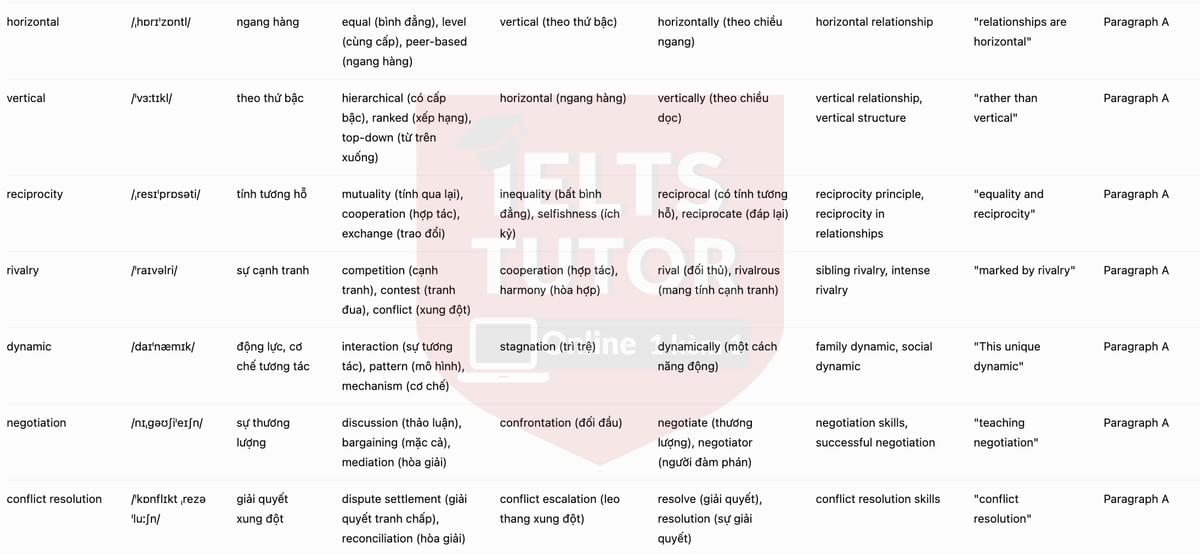
B Research into the influence of siblings has gained momentum in recent decades. Psychologists are increasingly looking at how brothers and sisters shape everything from career choices to mental health. Unlike parent-child relationships, sibling relationships are horizontal rather than vertical – characterised by equality and reciprocity, even when marked by rivalry. This unique dynamic means siblings often serve as practice partners for the wider social world, teaching negotiation, cooperation, and conflict resolution.
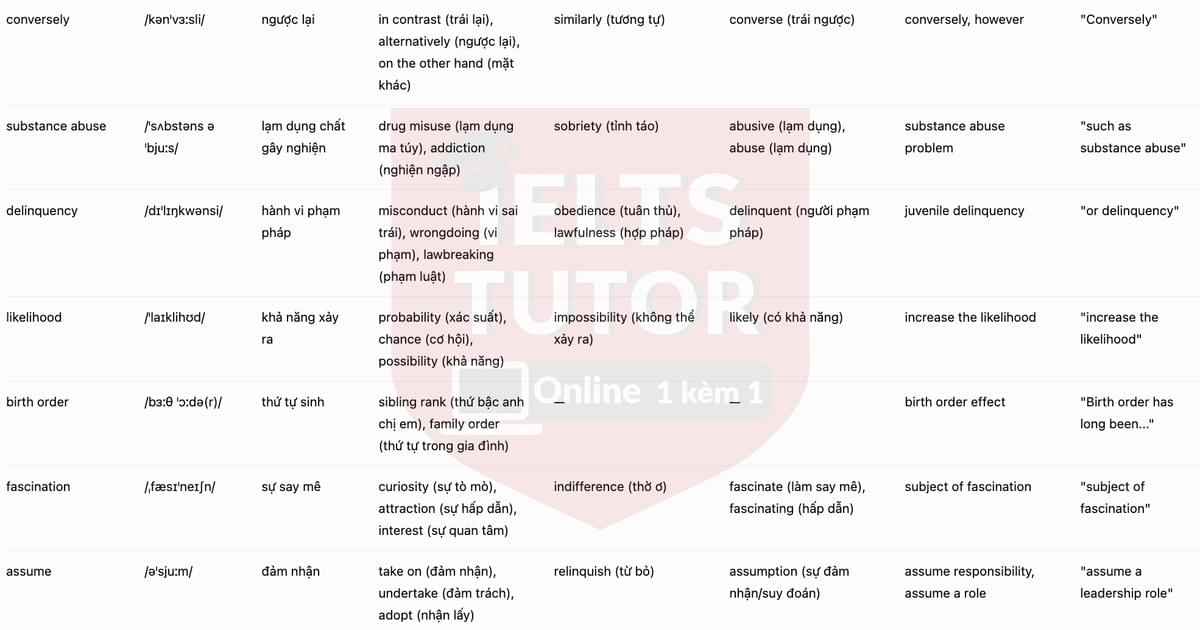
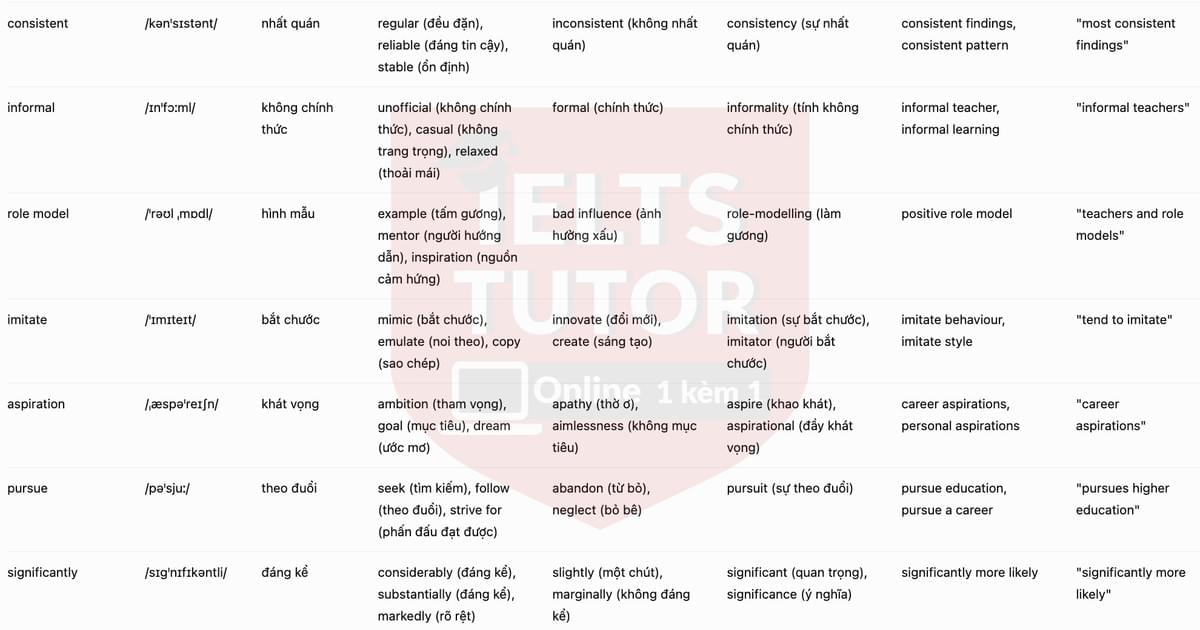
C One of the most consistent findings is that older siblings often act as informal teachers and role models. Younger siblings tend to imitate their older brothers and sisters, adopting similar tastes in music, clothing, and even career aspirations. Studies show that if an older sibling pursues higher education, the younger is significantly more likely to do the same. Conversely, older siblings who engage in risky behaviours, such as substance abuse or delinquency, increase the likelihood of similar behaviours in their younger siblings.
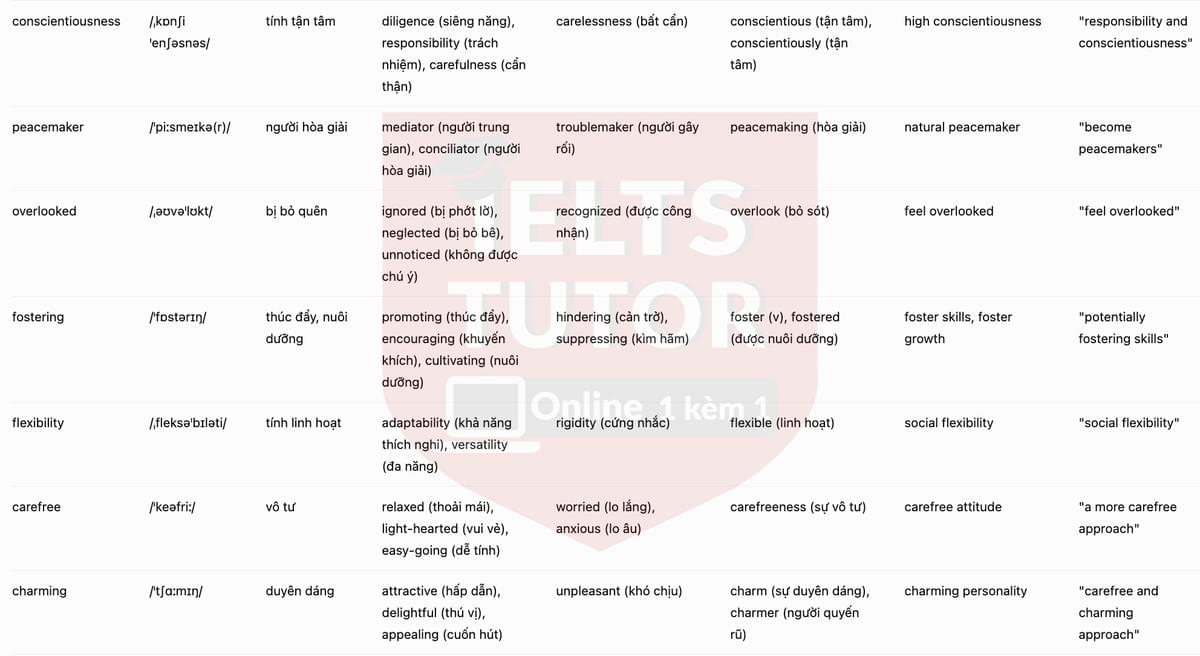
D Birth order has long been a subject of fascination. First-born children often assume a leadership role within the sibling group, developing a sense of responsibility and conscientiousness. Middle children may become peacemakers or feel overlooked, potentially fostering skills in negotiation and social flexibility. Youngest children frequently adopt a more carefree and charming approach, sometimes leveraging their position to gain concessions from older siblings. However, researchers caution that birth order effects are modest and interact strongly with family size, gender mix, and parental treatment.
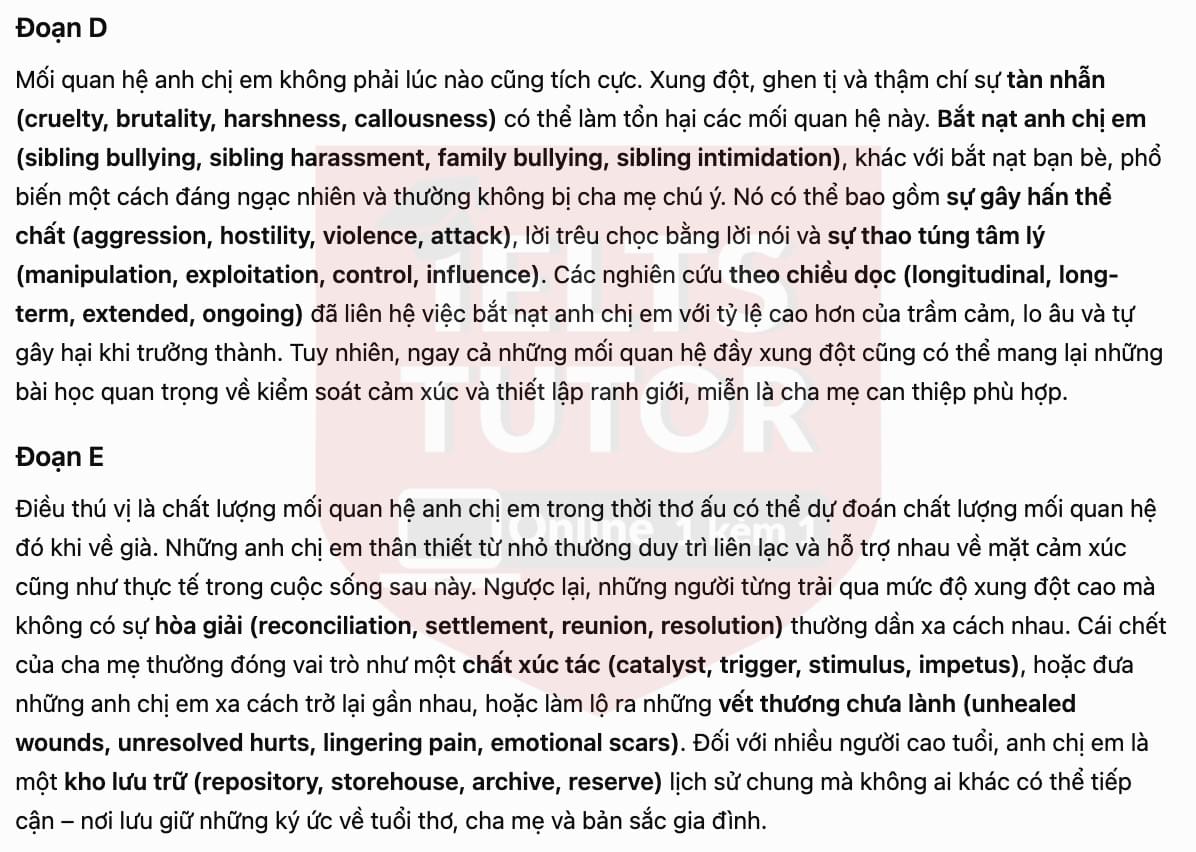
E Sibling relationships are not always positive. Conflict, jealousy, and even cruelty can mar these bonds. Sibling bullying, distinct from peer bullying, is surprisingly common and often goes unnoticed by parents. It can include physical aggression, verbal taunting, and psychological manipulation. Longitudinal studies have linked sibling bullying to higher rates of depression, anxiety, and self-harm in later life. Nevertheless, even conflict-ridden sibling relationships can provide important lessons in emotional regulation and boundary-setting, provided that parents intervene appropriately.
F Interestingly, the quality of sibling relationships in childhood predicts the quality of sibling relationships in old age. Siblings who are close in their early years tend to maintain contact and provide emotional and practical support to one another later in life. In contrast, those who experienced high levels of conflict without reconciliation often drift apart. The death of parents frequently acts as a catalyst, either bringing estranged siblings back together or exposing unhealed wounds. For many elderly people, siblings represent a shared history that no other person can access – a repository of memories about childhood, parents, and family identity.
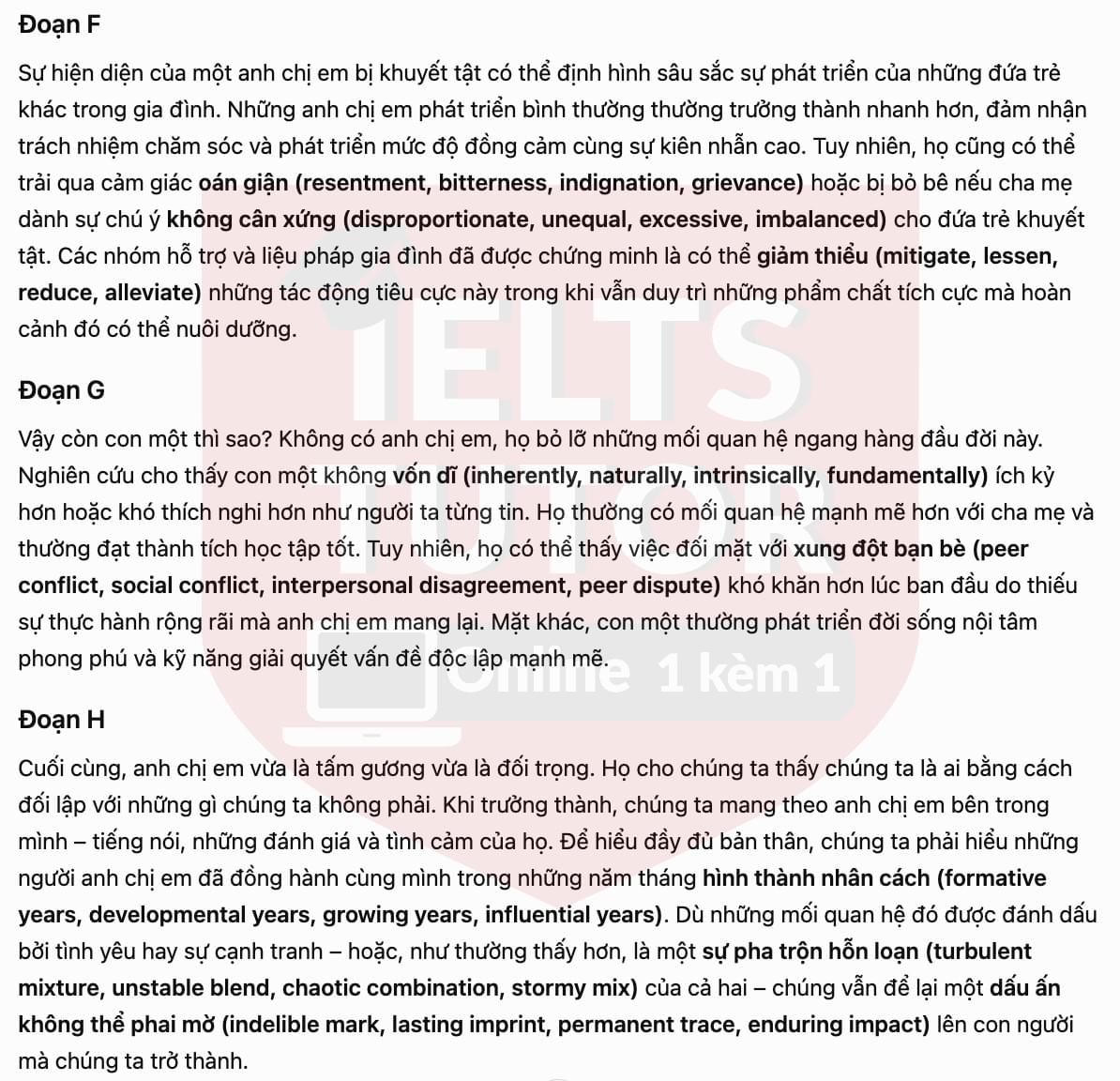
G The presence of a sibling with a disability can profoundly shape the development of other children in the family. Typically developing siblings often mature more quickly, assuming caregiving responsibilities and developing high levels of empathy and patience. However, they may also experience feelings of resentment or neglect if parents devote disproportionate attention to the disabled child. Support groups and family therapy have been shown to mitigate these negative effects while preserving the positive character traits that such situations can foster.
H What about only children? Without siblings, they miss out on these early horizontal relationships. Research suggests that only children are not inherently more selfish or poorly adjusted, as was once believed. They tend to have stronger relationships with parents and often perform well academically. However, they may find peer conflict more challenging initially, lacking the extensive practice that siblings provide. On the other hand, only children often develop rich inner lives and strong independent problem-solving skills.
I Ultimately, siblings are both a mirror and a foil. They show us who we are by contrasting who we are not. As adults, we carry our siblings inside us – their voices, their judgments, their affections. To understand ourselves fully, we must understand the brothers and sisters who walked beside us through the formative years. Whether those relationships were marked by love or rivalry – or, as is more common, a turbulent mixture of both – they leave an indelible mark on the people we become.
Reading Passage 3 has nine paragraphs, A–I. Which paragraph contains the following information? Write the correct letter, A–I.
NB You may use any letter more than once.
Complete the sentences below. Choose NO MORE THAN TWO WORDS from the passage for each answer.
Do the following statements agree with the views of the writer? Write YES / NO / NOT GIVEN.

III. All in the family: Đề luyện tập IELTS READING (IELTS Reading Practice Test)
READING PASSAGE 3
You should spend about 20 minutes on Questions 27–40, which are based on Reading Passage 3 below.
All in the family
A person's brothers and sisters can have a powerful effect on their adult behaviour
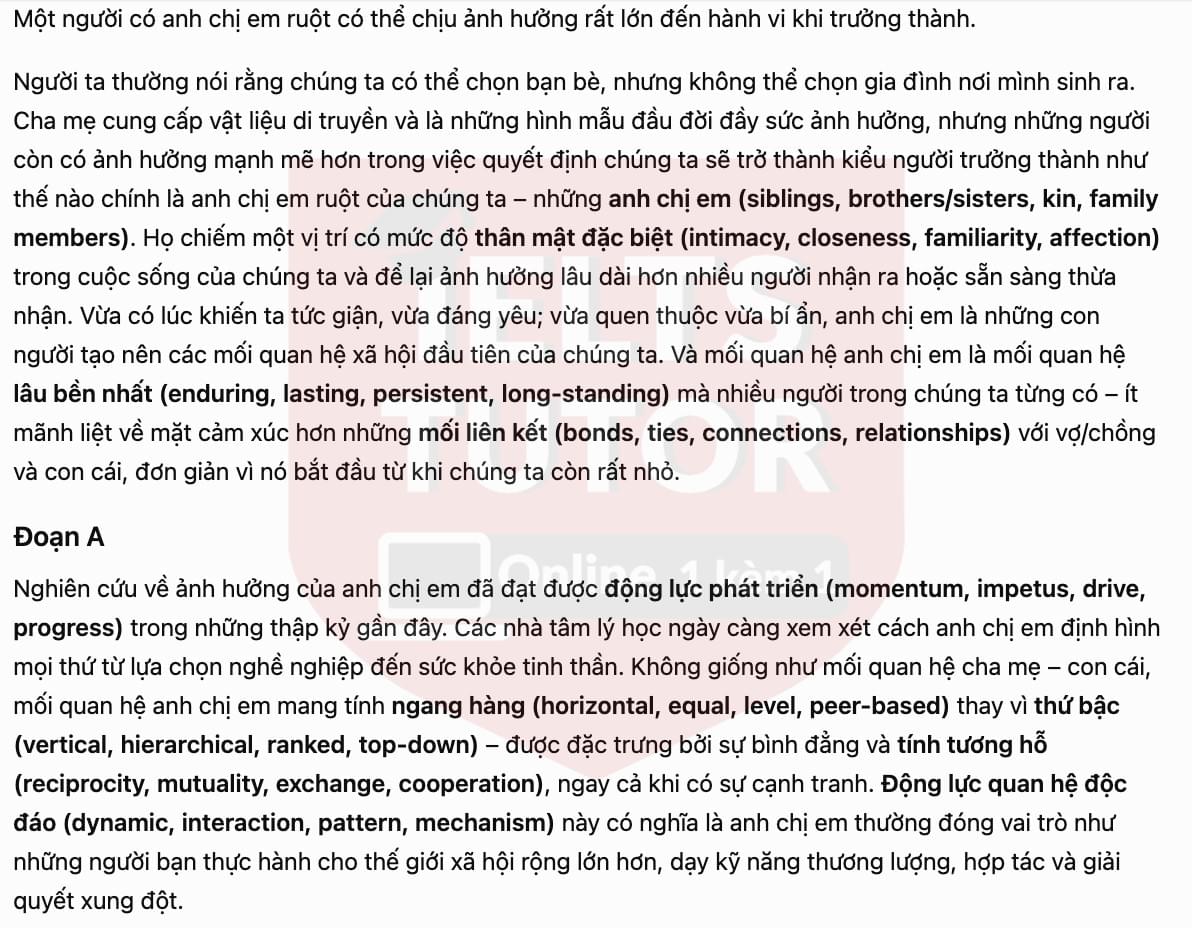
We can choose our friends, the saying goes, but we cannot choose our family of origin. Our parents provide the genetic material and make powerful early role models, but even more influential in determining what kind of adult we will become are our brothers and sisters – our siblings. They occupy a position of unique intimacy in our lives and cast a longer shadow than many recognise or are prepared to acknowledge. By turns enraging and lovable, familiar and mysterious, our brothers and sisters are the human beings who people our first social relationships. And a sibling relationship is the most enduring relationship many of us will ever have – less emotionally intense than the bonds we form with our spouses and our own children, if only because they started when we were so young.
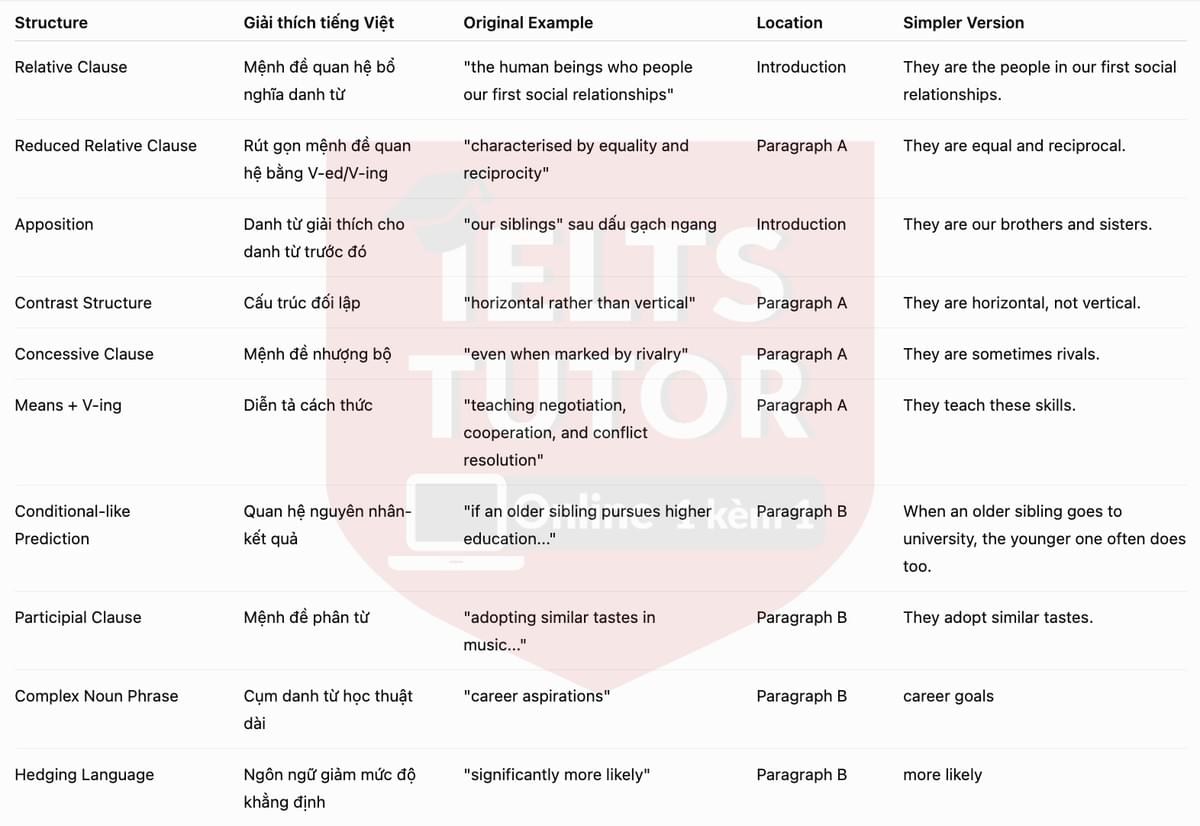
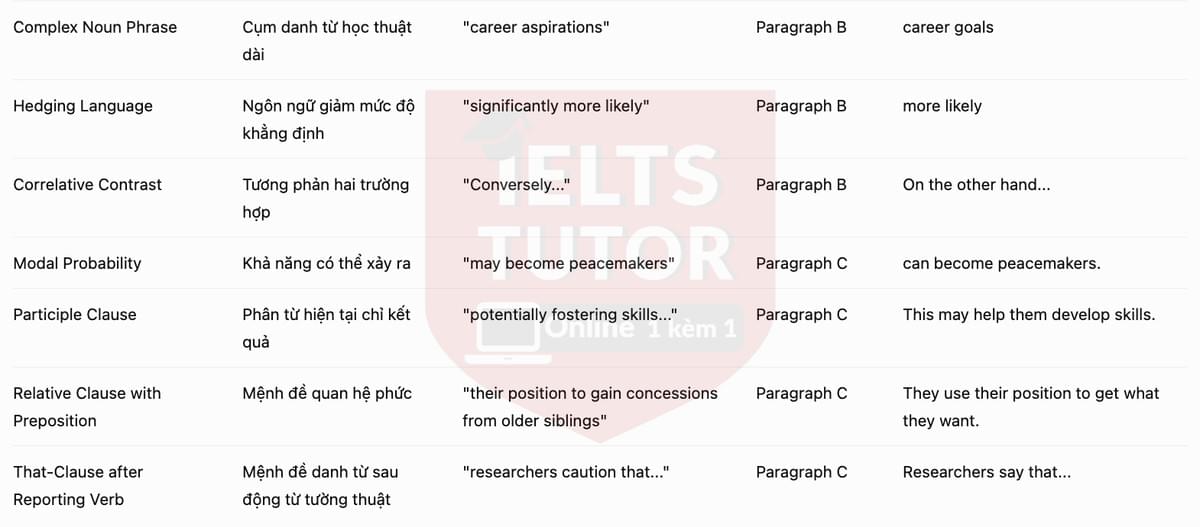
A Research into the influence of siblings has gained momentum in recent decades. Psychologists are increasingly looking at how brothers and sisters shape everything from career choices to mental health. Unlike parent-child relationships, sibling relationships are horizontal rather than vertical – characterised by equality and reciprocity, even when marked by rivalry. This unique dynamic means siblings often serve as practice partners for the wider social world, teaching negotiation, cooperation, and conflict resolution.
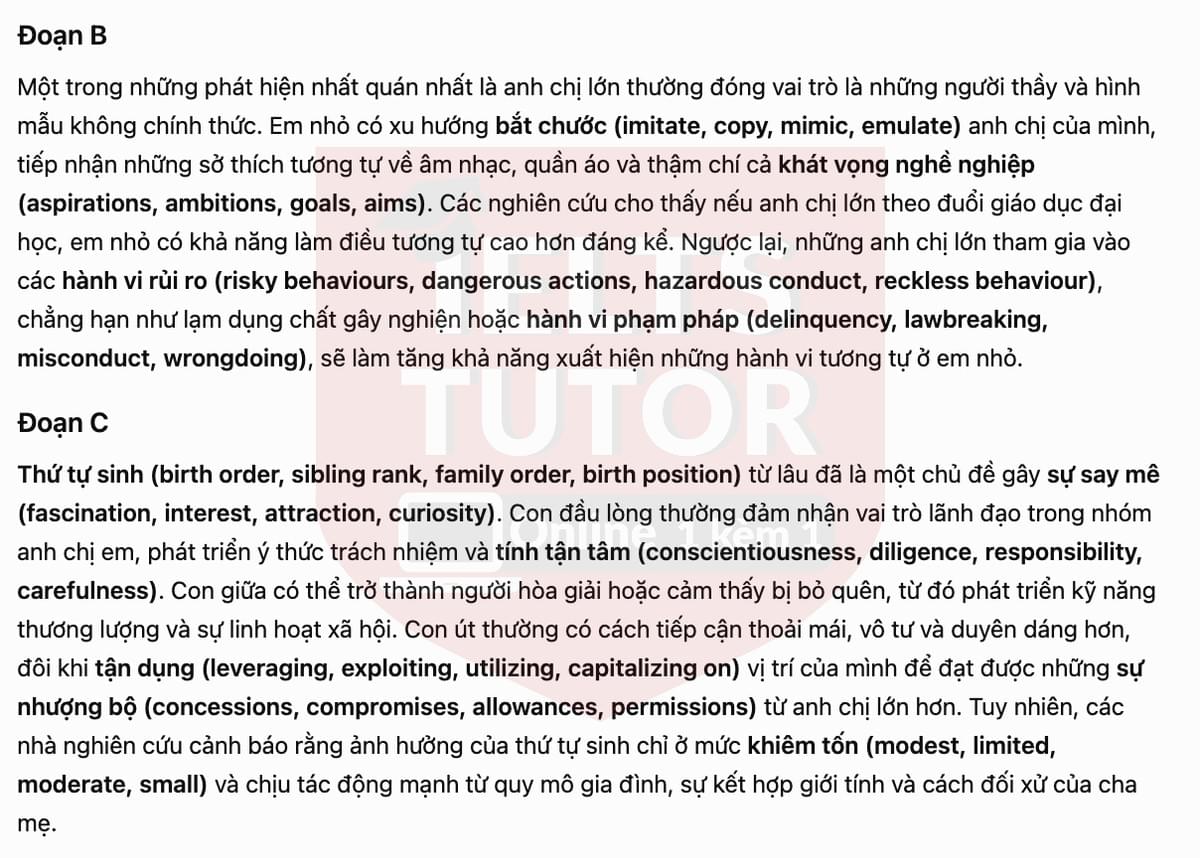
B One of the most consistent findings is that older siblings often act as informal teachers and role models. Younger siblings tend to imitate their older brothers and sisters, adopting similar tastes in music, clothing, and even career aspirations. Studies show that if an older sibling pursues higher education, the younger is significantly more likely to do the same. Conversely, older siblings who engage in risky behaviours, such as substance abuse or delinquency, increase the likelihood of similar behaviours in their younger siblings.
C Birth order has long been a subject of fascination. First-born children often assume a leadership role within the sibling group, developing a sense of responsibility and conscientiousness. Middle children may become peacemakers or feel overlooked, potentially fostering skills in negotiation and social flexibility. Youngest children frequently adopt a more carefree and charming approach, sometimes leveraging their position to gain concessions from older siblings. However, researchers caution that birth order effects are modest and interact strongly with family size, gender mix, and parental treatment.
>> 🔥 Form đăng kí giải đề thi thật IELTS 4 kĩ năng kèm bài giải bộ đề 100 đề PART 2 IELTS SPEAKING quý đang thi (update hàng tuần) từ IELTS TUTOR
D Sibling relationships are not always positive. Conflict, jealousy, and even cruelty can mar these bonds. Sibling bullying, distinct from peer bullying, is surprisingly common and often goes unnoticed by parents. It can include physical aggression, verbal taunting, and psychological manipulation. Longitudinal studies have linked sibling bullying to higher rates of depression, anxiety, and self-harm in later life. Nevertheless, even conflict-ridden sibling relationships can provide important lessons in emotional regulation and boundary-setting, provided that parents intervene appropriately.
E Interestingly, the quality of sibling relationships in childhood predicts the quality of sibling relationships in old age. Siblings who are close in their early years tend to maintain contact and provide emotional and practical support to one another later in life. In contrast, those who experienced high levels of conflict without reconciliation often drift apart. The death of parents frequently acts as a catalyst, either bringing estranged siblings back together or exposing unhealed wounds. For many elderly people, siblings represent a shared history that no other person can access – a repository of memories about childhood, parents, and family identity.
F The presence of a sibling with a disability can profoundly shape the development of other children in the family. Typically developing siblings often mature more quickly, assuming caregiving responsibilities and developing high levels of empathy and patience. However, they may also experience feelings of resentment or neglect if parents devote disproportionate attention to the disabled child. Support groups and family therapy have been shown to mitigate these negative effects while preserving the positive character traits that such situations can foster.
G What about only children? Without siblings, they miss out on these early horizontal relationships. Research suggests that only children are not inherently more selfish or poorly adjusted, as was once believed. They tend to have stronger relationships with parents and often perform well academically. However, they may find peer conflict more challenging initially, lacking the extensive practice that siblings provide. On the other hand, only children often develop rich inner lives and strong independent problem-solving skills.
H Ultimately, siblings are both a mirror and a foil. They show us who we are by contrasting who we are not. As adults, we carry our siblings inside us – their voices, their judgments, their affections. To understand ourselves fully, we must understand the brothers and sisters who walked beside us through the formative years. Whether those relationships were marked by love or rivalry – or, as is more common, a turbulent mixture of both – they leave an indelible mark on the people we become.
>> 🔥 Nhắn zalo 0905834420 join group zalo Hóng đề thi máy 4 skills để cập nhật đề thi thật 4 kĩ năng hằng ngày [Kèm giải & đề làm online]
Questions 27–31
Reading Passage 3 has eight paragraphs, A–H.
Which paragraph contains the following information?
Write the correct letter, A–H, in boxes 27–31 on your answer sheet.
NB You may use any letter more than once.
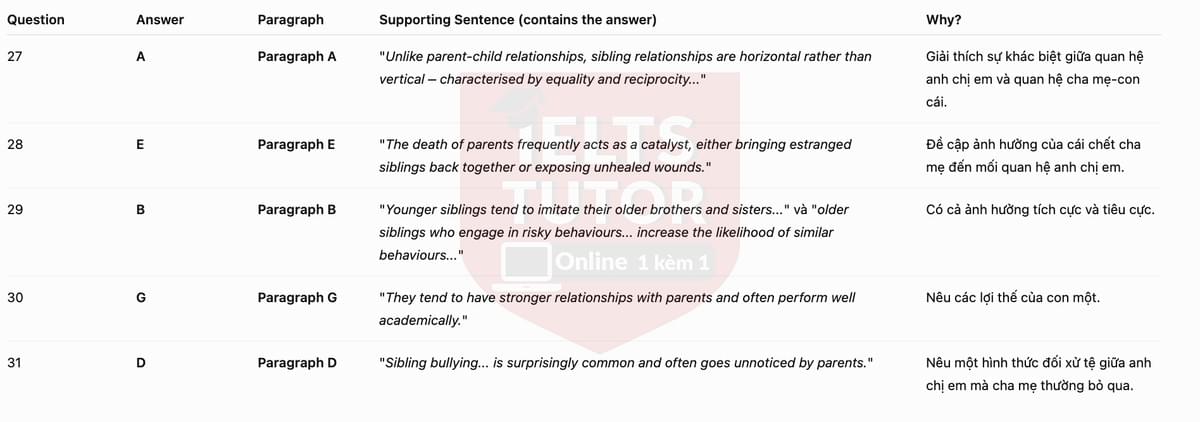
27 an explanation of why sibling relationships differ from parent-child relationships
28 a reference to the effect of parental death on sibling ties
29 examples of how siblings influence each other's behaviour in both positive and negative ways
30 a description of how only children may have advantages in certain areas
31 mention of a type of sibling mistreatment that parents frequently overlook
Questions 32–35
Complete the sentences below.
Choose NO MORE THAN TWO WORDS from the passage for each answer.
Write your answers in boxes 32–35 on your answer sheet.
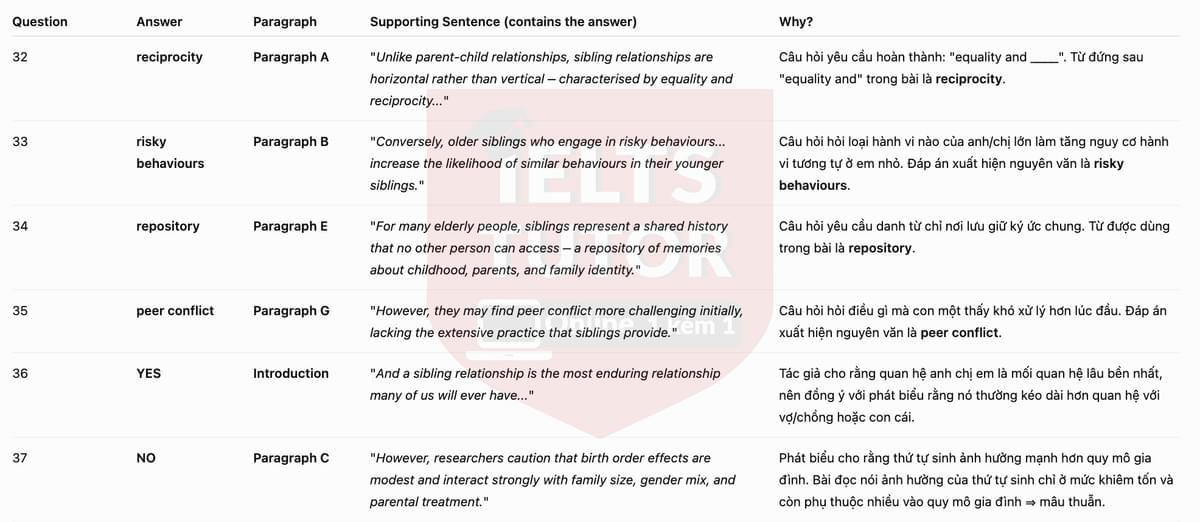
32 Sibling relationships are described as horizontal because they are characterised by equality and ____________________.
33 Older siblings who engage in ____________________ increase the risk of similar actions in their younger siblings.
34 In old age, siblings can serve as a ____________________ of shared memories about childhood and family.
35 Without the extensive practice that siblings offer, only children may initially find ____________________ more difficult to handle. >> 🔥 IELTS TUTOR gợi ý tham khảo CẦN VIẾT & THU ÂM BAO NHIÊU BÀI ĐỂ ĐẠT 8.0 SPEAKING & 7.0 WRITING?
Questions 36–40
Do the following statements agree with the views of the writer in Reading Passage 3?
In boxes 36–40 on your answer sheet, write
| YES | if the statement agrees with the views of the writer |
| NO | if the statement contradicts the views of the writer |
| NOT GIVEN | if it is impossible to say what the writer thinks about this |
36 Sibling relationships typically last longer than relationships with spouses or children.
37 Birth order has a stronger influence on personality than family size does.
38 Sibling bullying rarely has serious long-term consequences for mental health.
39 Support groups can help reduce the negative effects of growing up with a disabled sibling.
40 Only children are generally more selfish and less well adjusted than children with siblings.
IV. Dịch bài đọc All in the family
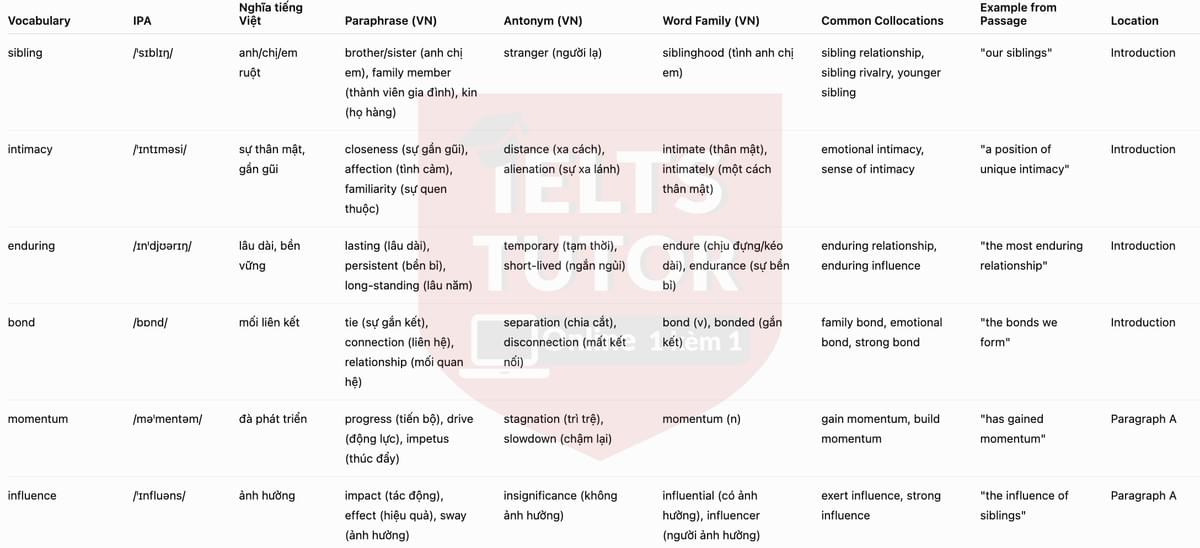
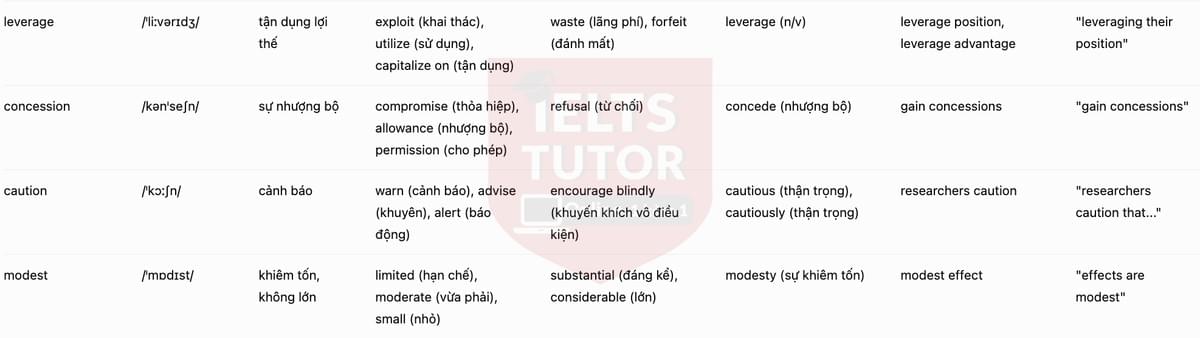
V. Giải thích từ vựng All in the family
VI. Giải thích cấu trúc ngữ pháp khó All in the family
VII. Đáp án All in the family
27. A
28. E
29. B
30. G
31. D
32. reciprocity
33. risky behaviours
34. repository
35. peer conflict
36. YES
37. NO
38. NO
39. YES
40. NO
📩 MN AI CHƯA CÓ ĐÁP ÁN FORECAST QUÝ MỚI PART 1-2-3 NHẮN ZL 0905834420 IELTS TUTOR GỬI FREE HẾT NHA

Các khóa học IELTS online 1 kèm 1 - 100% cam kết đạt target 6.0 - 7.0 - 8.0 - Đảm bảo đầu ra - Thi không đạt, học lại FREE
>> Thành tích học sinh IELTS TUTOR với hàng ngàn feedback được cập nhật hàng ngày
