
IELTS TUTOR cung cấp The science of sleep - Đề luyện tập IELTS READING (IELTS Reading Practice Test) - Làm bài online format computer-based, kèm đáp án, dịch & giải thích từ vựng - cấu trúc ngữ pháp khó & GIẢI ĐÁP ÁN VỚI LOCATION
I. Kiến thức liên quan
II. Làm bài online (kéo xuống cuối bài blog để xem giải thích từ vựng & cấu trúc cụ thể hơn)
The science of sleep
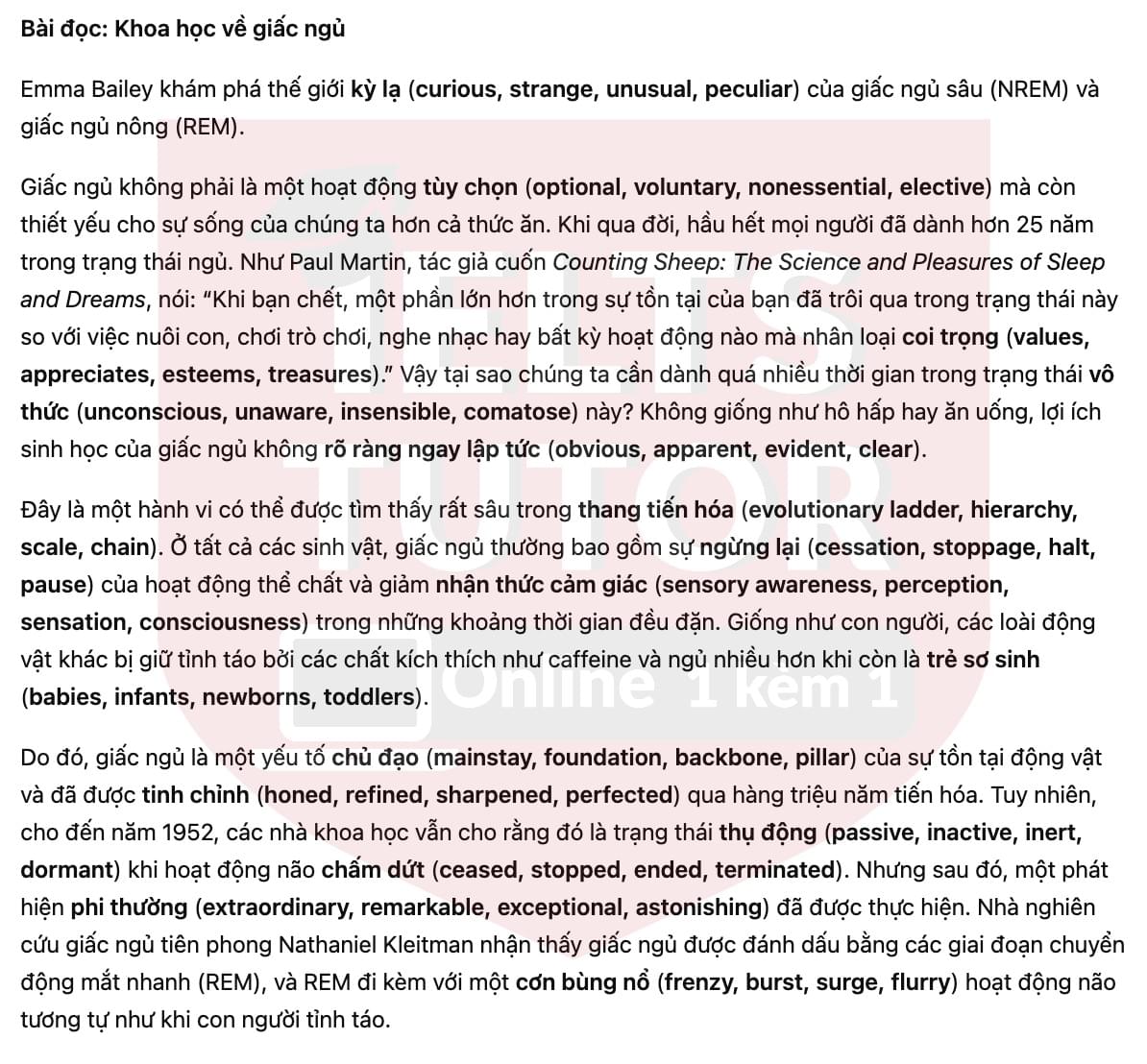
Emma Bailey explores the curious world of deep (or NREM) sleep and light (or REM) sleep.
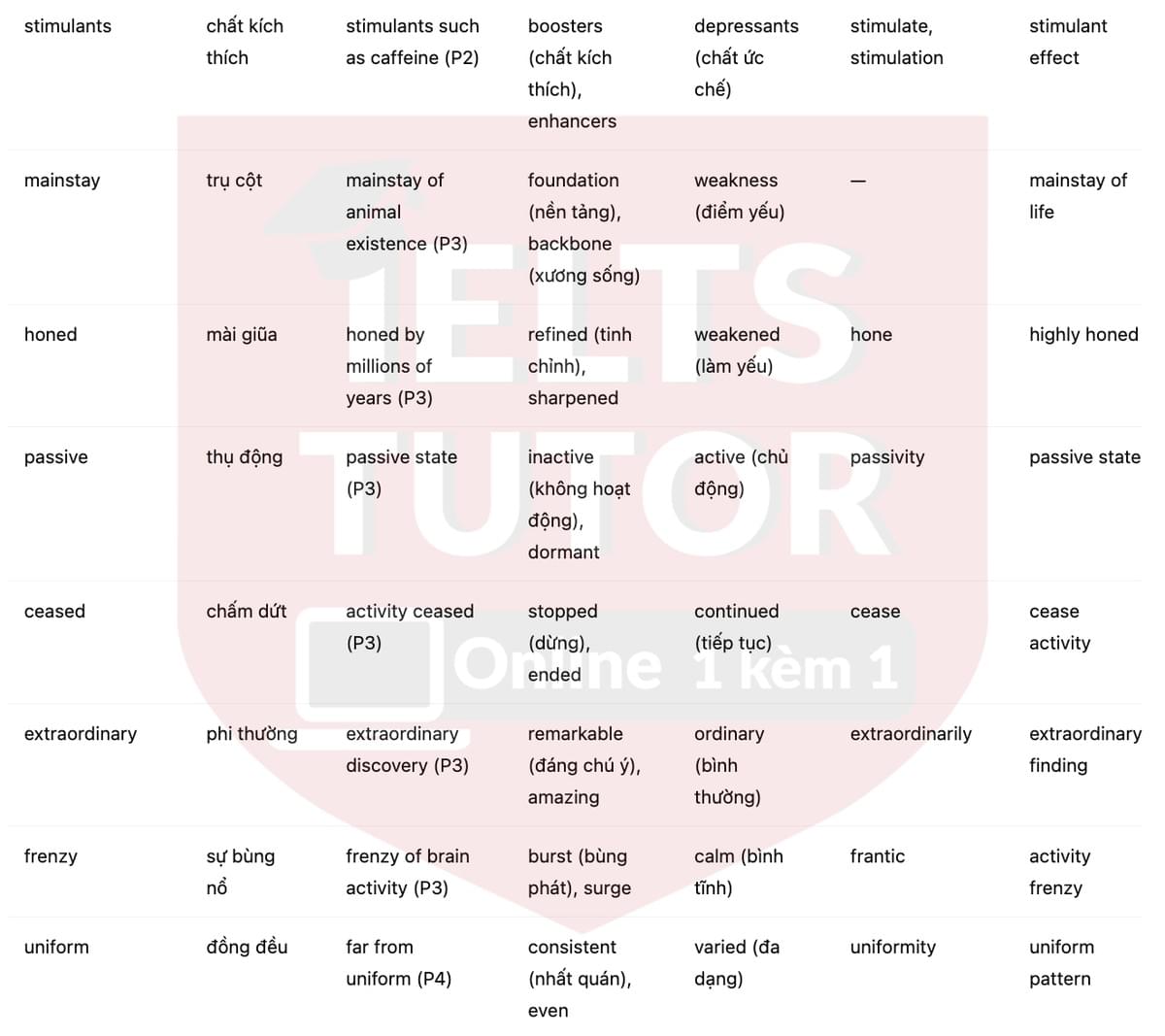
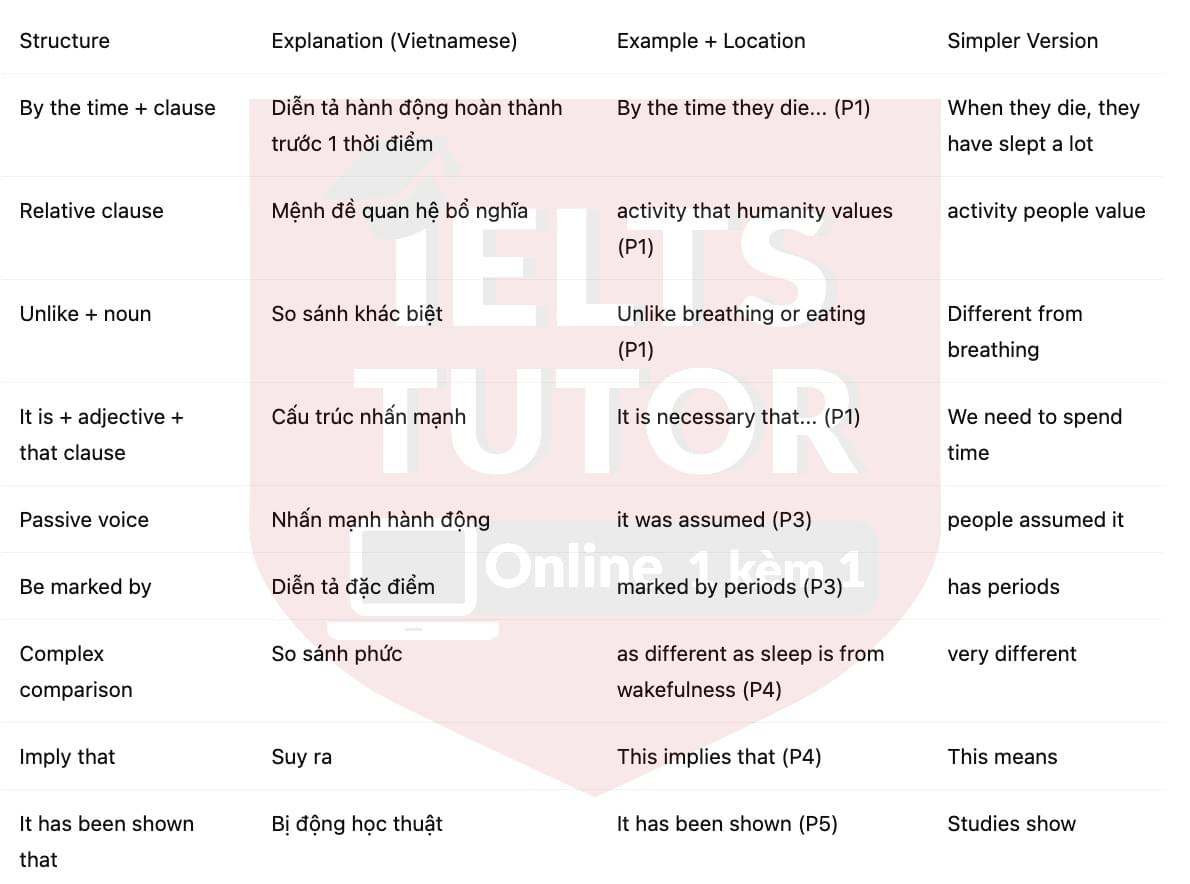
Sleep is not an optional activity and is more essential to our survival than food. By the time they die, most people will have spent more than 25 years asleep. As Paul Martin, author of Counting Sheep: The Science and Pleasures of Sleep and Dreams, puts it: "When you die, a bigger slice of your existence will have passed in this state than in raising children, playing games, listening to music, or any other activity that humanity values highly." Why is it necessary to spend quite so long in this unconscious state? Unlike breathing or eating, the biological benefits of sleep are not immediately obvious.
It is a behaviour that can be found remarkably far back down the evolutionary ladder. In all creatures, sleep generally involves a cessation of physical activity and reduction of sensory awareness for regular periods. Like us, other animals are kept awake by stimulants such as caffeine and sleep more as babies.
Sleep is therefore a mainstay of animal existence and has been honed by millions of years of evolution. Yet until 1952, scientists assumed it was a passive state in which brain activity ceased. But then an extraordinary discovery was made. Sleep research pioneer Nathaniel Kleitman, of the University of Chicago, noticed it was marked by periods of rapid eye movement, now known as REM sleep, and that REM sleep was accompanied by a frenzy of brain activity akin to that seen during periods of consciousness.
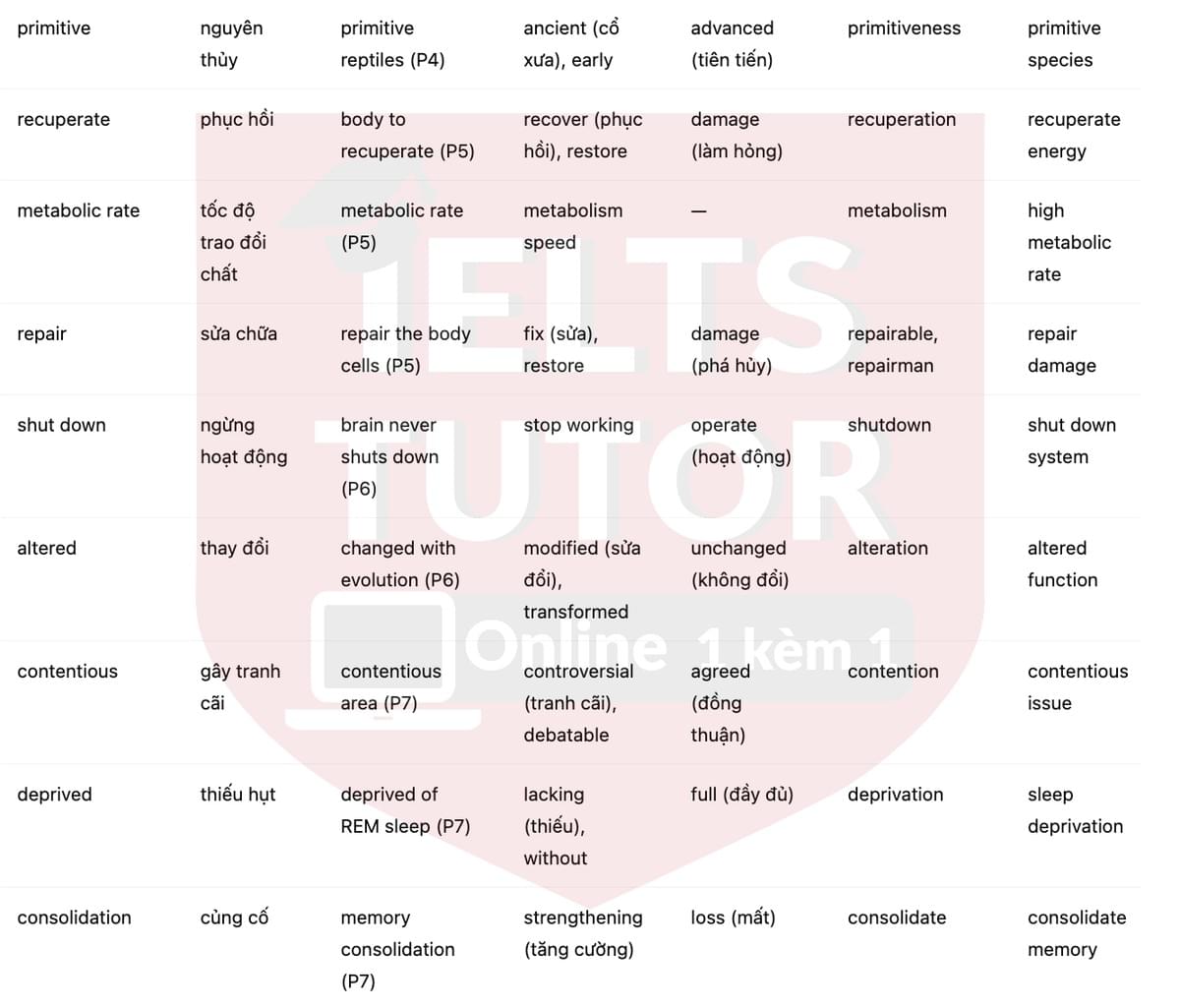
We now know that brain activity is far from uniform while we sleep. Over a 90-minute period it goes through four distinct stages of NON-REM (NREM) sleep, and one episode of REM sleep. It has been discovered that most dreaming occurs during REM sleep, and that deep sleep occurs during the NREM stages. In fact, the two types of sleep are as different as sleep is from wakefulness. Interestingly, while all mammals, birds and some reptiles have both types of sleep, primitive reptiles experience just NREM sleep. This implies that REM sleep evolved more recently, possibly around the time of the reptilian ancestors of all mammals, 250 million years ago.
For centuries it was assumed that sleep served simply as a mechanism for allowing the body to recuperate. Recently, it has been shown that NREM sleep does indeed increase after vigorous exercise. However, people who lie in bed all day also enter NREM sleep, so it can't only be due to this. Jerome M Siegel of the University of California believes that NREM sleep provides an opportunity to repair the body cells damaged during wakefulness. As he explains, "The decrease both in metabolic rate and in brain temperature occurring during NREM sleep seems to provide an opportunity to repair this damage."
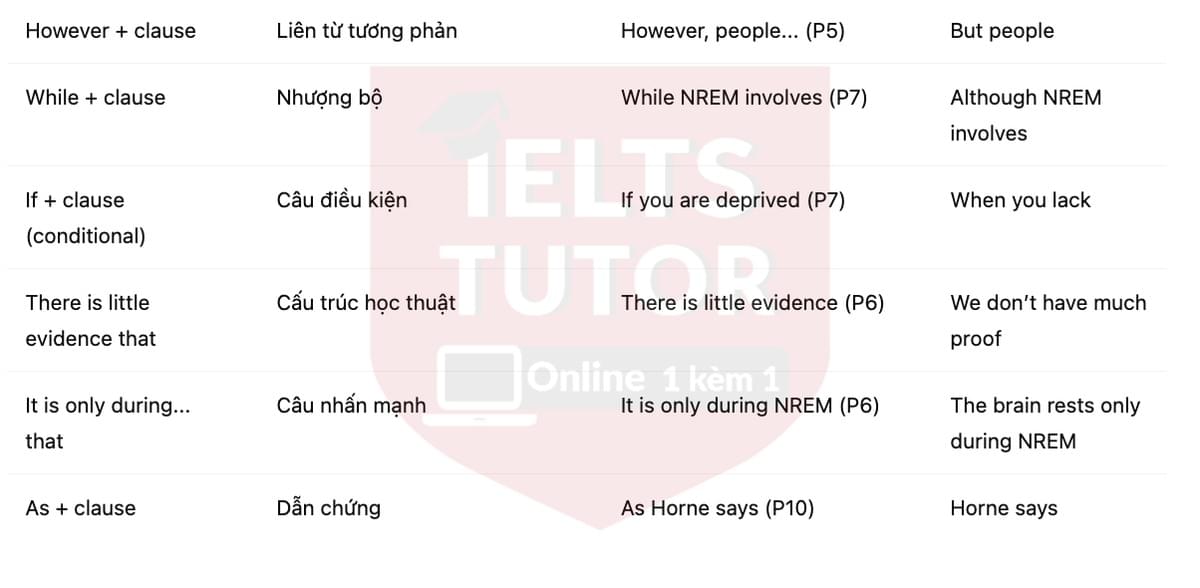
However, Professor Jim Horne of the University of Loughborough disagrees: "There is little evidence that any organ apart from the brain goes through repair during sleep. All the evidence shows that these other organs recover just as well during restful wakefulness." The brain, Horne points out, never shuts down during wakefulness. Even if we are resting, it remains in a state of readiness. Scans have shown that it is only during NREM sleep that the brain gets any rest. Recognising that when NREM sleep evolved millions of years ago, animals didn't have highly developed brains, he concludes, "The functions of NREM sleep have probably changed with evolution, maybe beginning as an energy conserver, and culminating, in humans, as a facilitator for the recovery of high-level brain function."
While NREM most probably involves rest and recovery, REM sleep and dreams is a much more contentious area of research. According to Dr Claudio Stampi, "If you are deprived of REM sleep, memory consolidation is compromised. We need it to reprocess what has happened during the previous period of wakefulness in order to store information that is useful."
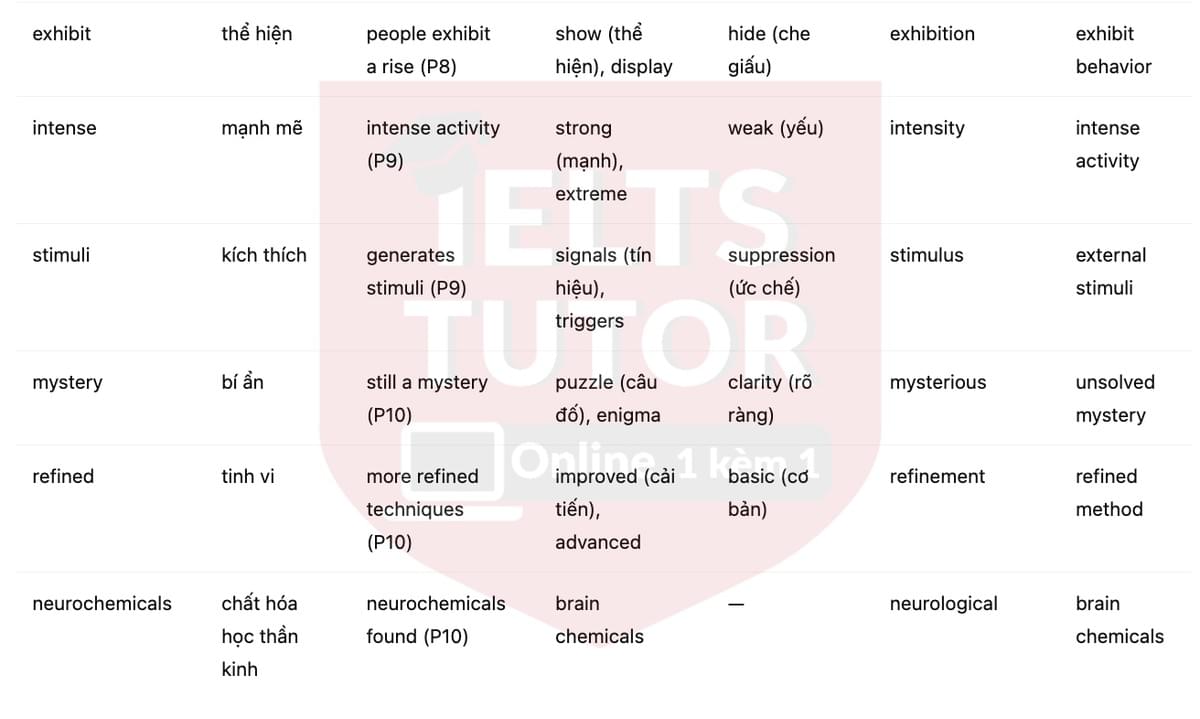
Certainly, there are studies that suggest a strong link between REM sleep and memory. After being taught a new skill, people exhibit a rise in REM sleep. If they are deprived of REM sleep, they are less able to remember the skill. Experiments have shown that REM sleep must occur within a certain period after an experience if it is to be remembered.
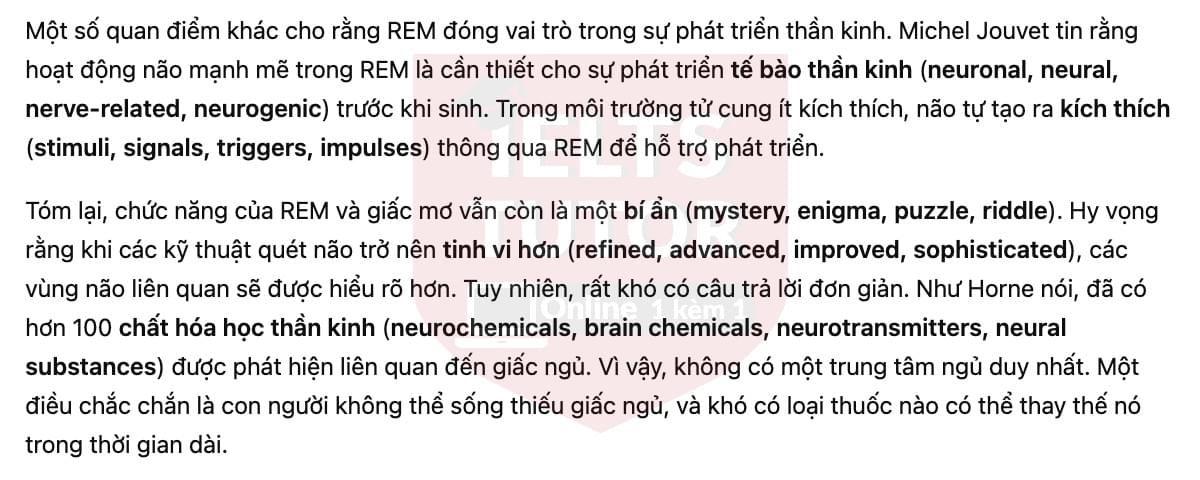
There are other views about the function of REM sleep. The pioneering sleep researcher Michel Jouvet believes that the intense activity seen in the brain during REM sleep is essential to neuronal development before birth. There is little to activate the developing brain during the long, dark months in the uterus, so Jouvet hypothesises that the brain generates its own stimuli in the form of REM sleep and dreams to aid its own development.
In short, the function of REM sleep and dreaming is still something of a mystery. The hope is that, as scanning techniques become more refined, the brain regions underlying the two types of sleep will be better understood. However, we're not likely to get a straightforward answer. As Horne says: "Already over 100 neurochemicals and brain regions connected with sleep have been found, and more and more are being discovered. So clearly there's no single sleep centre." One thing is certain: we'll never be without sleep. It's highly improbable that any new drug could enable us to avoid it and remain healthy for any length of time.
Types of sleep – REM and NREM
primitive reptiles do not experience REM sleep
Match each statement with the correct person A-F. Write the letter in the box.
A Paul Martin B Nathaniel Kleitman C Jerome M Siegel
D Jim Horne E Claudio Stampi F Michel Jouvet
Complete the notes. Choose NO MORE THAN TWO WORDS from the passage.


📩 MN AI CHƯA CÓ ĐÁP ÁN FORECAST QUÝ MỚI PART 1-2-3 NHẮN ZL 0905834420 IELTS TUTOR GỬI FREE HẾT NHA
III. The science of sleep: Đề luyện tập IELTS READING (IELTS Reading Practice Test)
READING PASSAGE 3
*You should spend about 20 minutes on Questions 27-40, which are based on Reading 3 on pages 10 and 11.*
The science of sleep
Emma Bailey explores the curious world of deep (or NREM) sleep and light (or REM) sleep.
Sleep is not an optional activity and is more essential to our survival than food. By the time they die, most people will have spent more than 25 years asleep. As Paul Martin, author of Counting Sheep: The Science and Pleasures of Sleep and Dreams, puts it: "When you die, a bigger slice of your existence will have passed in this state than in raising children, playing games, listening to music, or any other activity that humanity values highly." Why is it necessary to spend quite so long in this unconscious state? Unlike breathing or eating, the biological benefits of sleep are not immediately obvious.
It is a behaviour that can be found remarkably far back down the evolutionary ladder. In all creatures, sleep generally involves a cessation of physical activity and reduction of sensory awareness for regular periods. Like us, other animals are kept awake by stimulants such as caffeine and sleep more as babies.
Sleep is therefore a mainstay of animal existence and has been honed by millions of years of evolution. Yet until 1952, scientists assumed it was a passive state in which brain activity ceased. But then an extraordinary discovery was made. Sleep research pioneer Nathaniel Kleitman, of the University of Chicago, noticed it was marked by periods of rapid eye movement, now known as REM sleep, and that REM sleep was accompanied by a frenzy of brain activity akin to that seen during periods of consciousness. >> 🔥 Form đăng kí giải đề thi thật IELTS 4 kĩ năng kèm bài giải bộ đề 100 đề PART 2 IELTS SPEAKING quý đang thi (update hàng tuần) từ IELTS TUTOR
We now know that brain activity is far from uniform while we sleep. Over a 90-minute period it goes through four distinct stages of NON-REM (NREM) sleep, and one episode of REM sleep. It has been discovered that most dreaming occurs during REM sleep, and that deep sleep occurs during the NREM stages. In fact, the two types of sleep are as different as sleep is from wakefulness. Interestingly, while all mammals, birds and some reptiles have both types of sleep, primitive reptiles experience just NREM sleep. This implies that REM sleep evolved more recently, possibly around the time of the reptilian ancestors of all mammals, 250 million years ago.
For centuries it was assumed that sleep served simply as a mechanism for allowing the body to recuperate. Recently, it has been shown that NREM sleep does indeed increase after vigorous exercise. However, people who lie in bed all day also enter NREM sleep, so it can't only be due to this. Jerome M Siegel of the University of California believes that NREM sleep provides an opportunity to repair the body cells damaged during wakefulness. As he explains, "The decrease both in metabolic rate and in brain temperature occurring during NREM sleep seems to provide an opportunity to repair this damage."
However, Professor Jim Horne of the University of Loughborough disagrees: "There is little evidence that any organ apart from the brain goes through repair during sleep. All the evidence shows that these other organs recover just as well during restful wakefulness." The brain, Horne points out, never shuts down during wakefulness. Even if we are resting, it remains in a state of readiness. Scans have shown that it is only during NREM sleep that the brain gets any rest. Recognising that when NREM sleep evolved millions of years ago, animals didn't have highly developed brains, he concludes, "The functions of NREM sleep have probably changed with evolution, maybe beginning as an energy conserver, and culminating, in humans, as a facilitator for the recovery of high-level brain function."
While NREM most probably involves rest and recovery, REM sleep and dreams is a much more contentious area of research. According to Dr Claudio Stampi, "If you are deprived of REM sleep, memory consolidation is compromised. We need it to reprocess what has happened during the previous period of wakefulness in order to store information that is useful."
Certainly, there are studies that suggest a strong link between REM sleep and memory. After being taught a new skill, people exhibit a rise in REM sleep. If they are deprived of REM sleep, they are less able to remember the skill. Experiments have shown that REM sleep must occur within a certain period after an experience if it is to be remembered. >> 🔥 Nhắn zalo 0905834420 join group zalo Hóng đề thi máy 4 skills để cập nhật đề thi thật 4 kĩ năng hằng ngày [Kèm giải & đề làm online]
There are other views about the function of REM sleep. The pioneering sleep researcher Michel Jouvet believes that the intense activity seen in the brain during REM sleep is essential to neuronal development before birth. There is little to activate the developing brain during the long, dark months in the uterus, so Jouvet hypothesises that the brain generates its own stimuli in the form of REM sleep and dreams to aid its own development.
In short, the function of REM sleep and dreaming is still something of a mystery. The hope is that, as scanning techniques become more refined, the brain regions underlying the two types of sleep will be better understood. However, we're not likely to get a straightforward answer. As Horne says: "Already over 100 neurochemicals and brain regions connected with sleep have been found, and more and more are being discovered. So clearly there's no single sleep centre." One thing is certain: we'll never be without sleep. It's highly improbable that any new drug could enable us to avoid it and remain healthy for any length of time.
Types of sleep – REM and NREM
primitive reptiles do not experience REM sleep
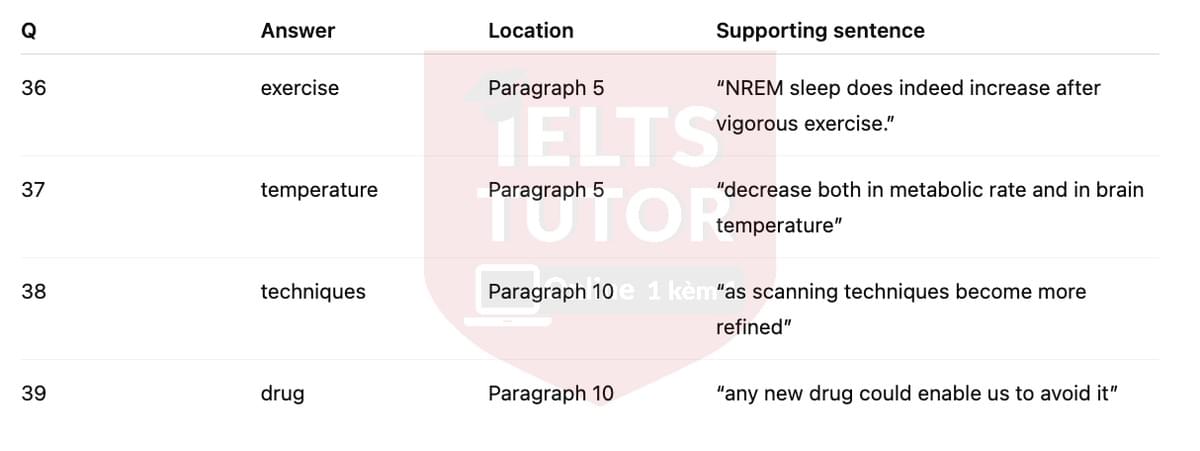
now possible to prove that amount of NREM sleep rises with 36…………
the metabolic rate and the 37………… of the brain fall during NREM sleep
mysteries of REM sleep may become clearer as the 38………… improve
unlikely that a 39………… will ever replace the need for sleep
Question 40
Choose the correct letter A, B, C or D.
Write the correct letter in box 40 on your answer sheet.
The writer's main aim in this passage is to
A compare animal and human brain activity during sleep.
B suggest why some people need more sleep than others.
C account for the fact that some dreams are easily forgotten.
D describe the differences between two types of sleep. >> 🔥 IELTS TUTOR gợi ý tham khảo CẦN VIẾT & THU ÂM BAO NHIÊU BÀI ĐỂ ĐẠT 8.0 SPEAKING & 7.0 WRITING?
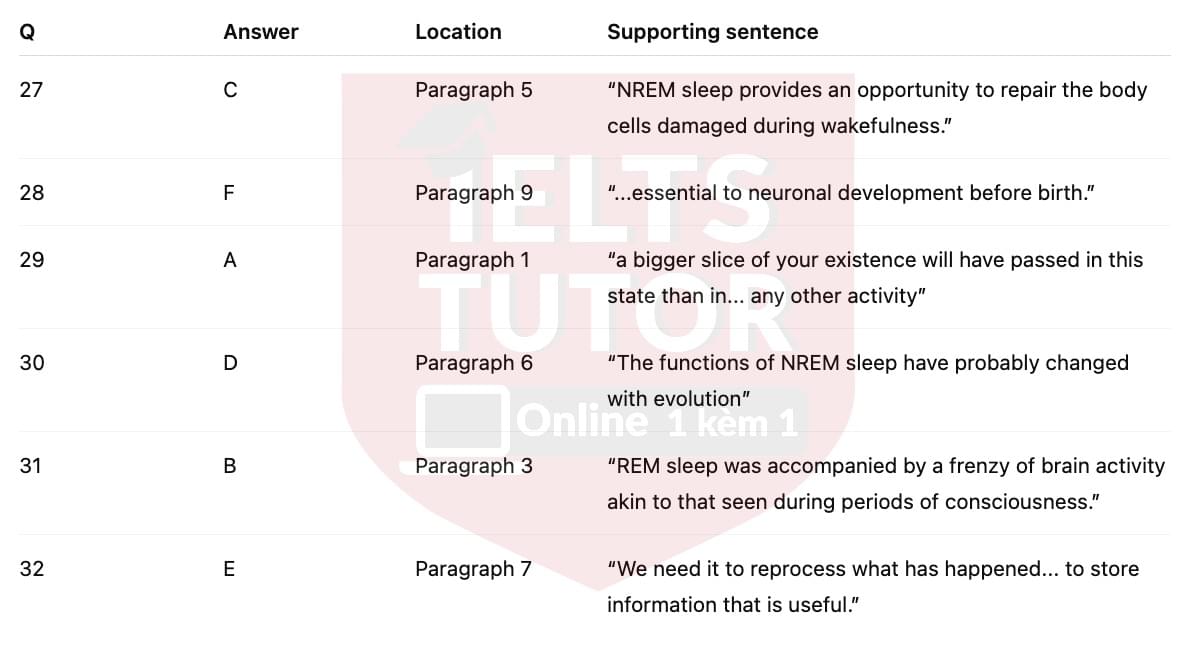
Questions 27-32
Look at the following statements (Questions 27-32) and the list of people below. Match each statement with the correct person, A-F.
Write the correct letter, A-F in boxes 27-32 on your answer sheet.
27 All of the body is able to recover during one type of sleep.
28 The brain benefits from one type of sleep during an early stage of life.
29 Humans spend more time asleep than engaged in any other activity.
30 It is likely that the purpose of one type of sleep has altered over time.
31 Brain activity during one type of sleep is similar to that when people are awake.
32 One type of sleep enables an individual to learn from past experience.
List of People
A Paul Martin
B Nathaniel Kleitman
C Jerome M Siegel
D Jim Horne
E Claudio Stampi
F Michel Jouvet
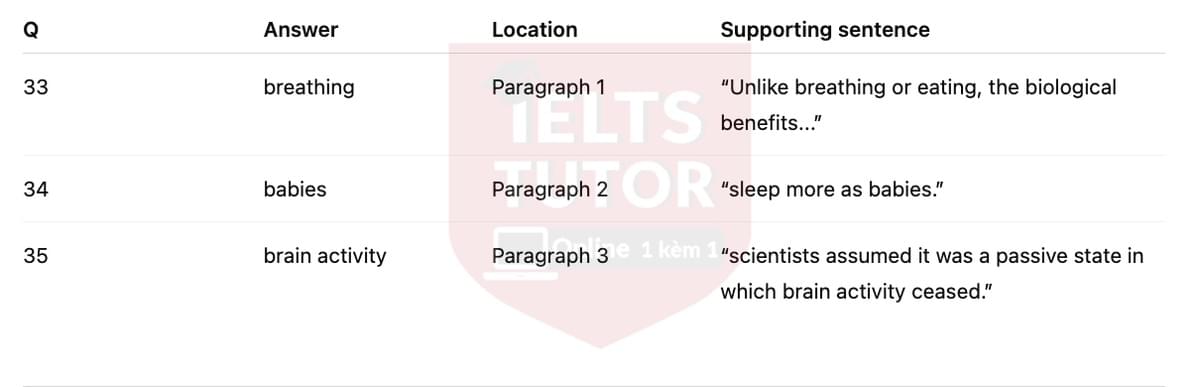
Questions 33-39
Complete the notes below.
Choose NO MORE THAN TWO WORDS from the passage for each answer. Write your answers in boxes 33-35 on your answer sheet.
People
sleep is vital for human survival
biological advantages of sleep not clear – this makes it different from either 33………… or eating
Animals
aspects of sleep that most creatures share:
• lack of physical movement
• reduced sensory awareness
• sleep longer when they are 34…………
Research
scientists once believed that 35………… stopped during sleep – now know it takes place but not in uniform way
IV. Dịch bài đọc The science of sleep
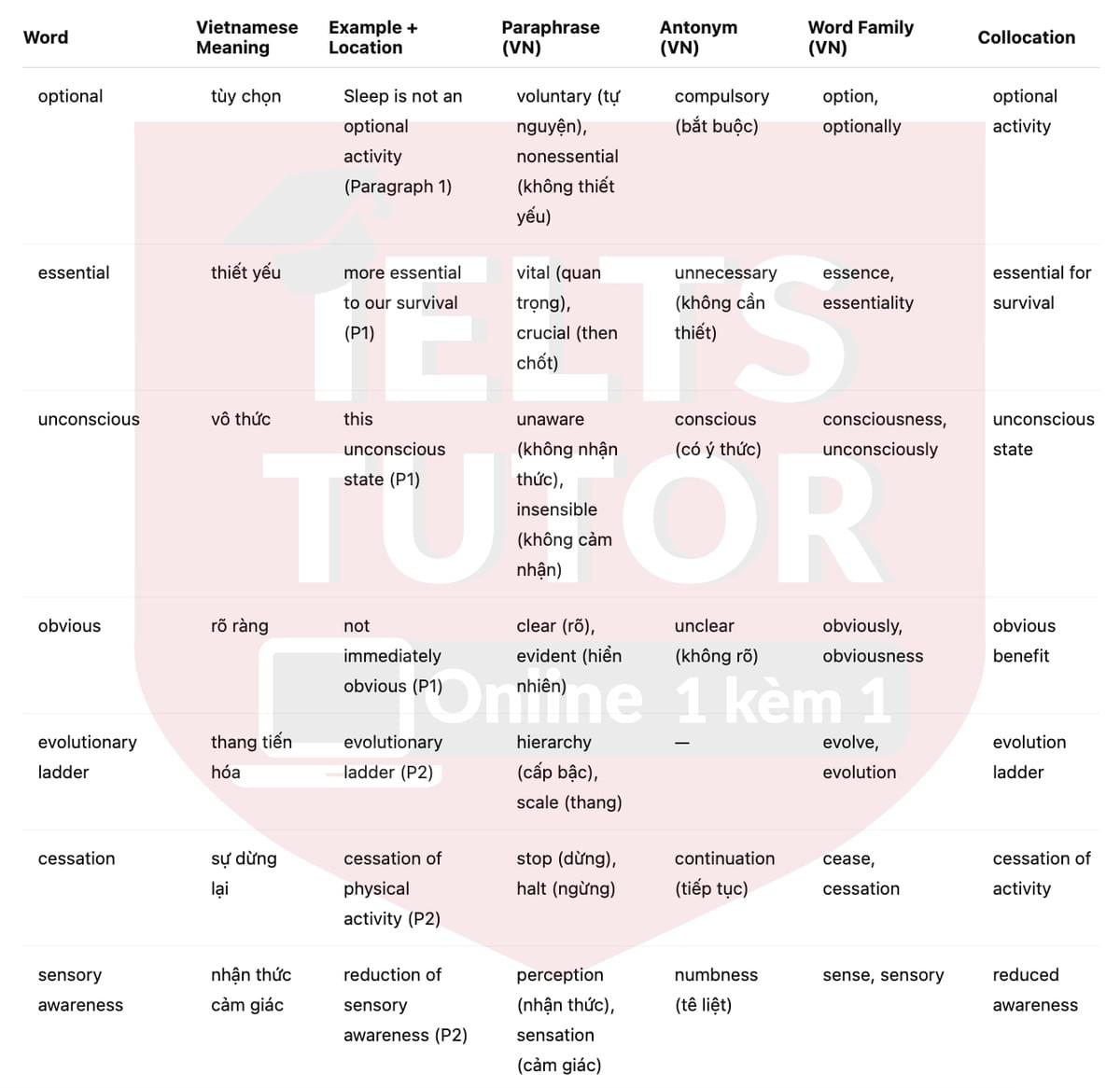
V. Giải thích từ vựng The science of sleep
VI. Giải thích cấu trúc ngữ pháp khó The science of sleep
VII. Đáp án The science of sleep
27. C
28. F
29. A
30. D
31. B
32. E
33. breathing
34. babies
35. brain activity
36. exercise
37. temperature
38. techniques
39. drug
40. D
📩 MN AI CHƯA CÓ ĐÁP ÁN FORECAST QUÝ MỚI PART 1-2-3 NHẮN ZL 0905834420 IELTS TUTOR GỬI FREE HẾT NHA

Các khóa học IELTS online 1 kèm 1 - 100% cam kết đạt target 6.0 - 7.0 - 8.0 - Đảm bảo đầu ra - Thi không đạt, học lại FREE
>> Thành tích học sinh IELTS TUTOR với hàng ngàn feedback được cập nhật hàng ngày
