
IELTS TUTOR cung cấp Coins – the first form of money Đề luyện tập IELTS READING (IELTS Reading Practice Test) - Làm bài online format computer-based, kèm đáp án, dịch & giải thích từ vựng - cấu trúc ngữ pháp khó & GIẢI ĐÁP ÁN VỚI LOCATION
I. Kiến thức liên quan
📩 MN AI CHƯA CÓ ĐÁP ÁN FORECAST QUÝ MỚI PART 1-2-3 NHẮN ZL 0905834420 IELTS TUTOR GỬI FREE HẾT NHA
II. Làm bài online (kéo xuống cuối bài blog để xem giải thích từ vựng & cấu trúc cụ thể hơn)
📖 READING PASSAGE 2 · Coins
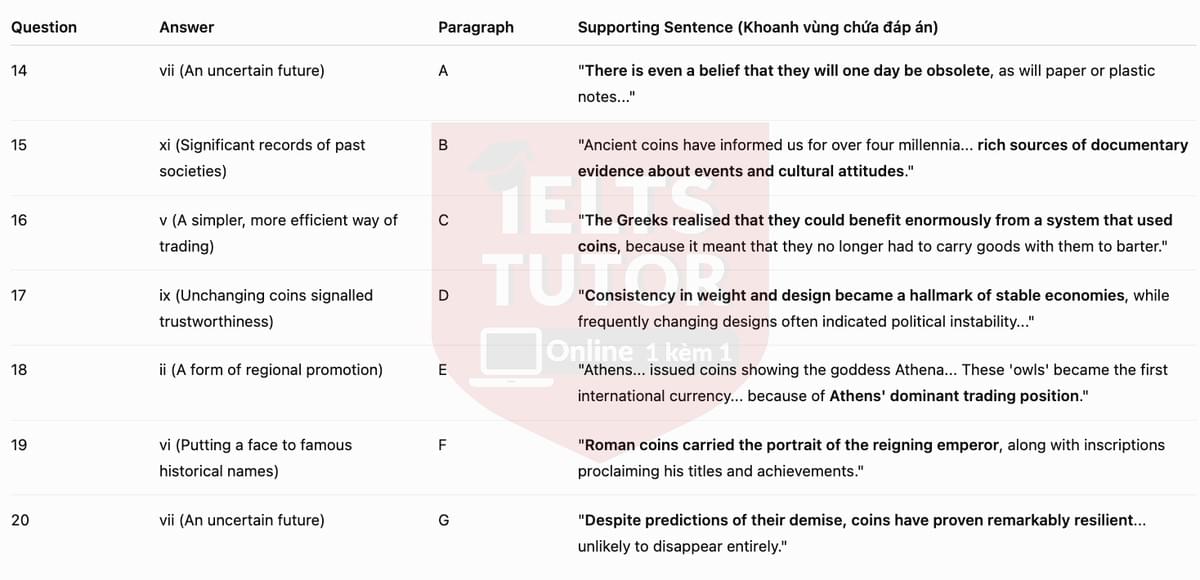
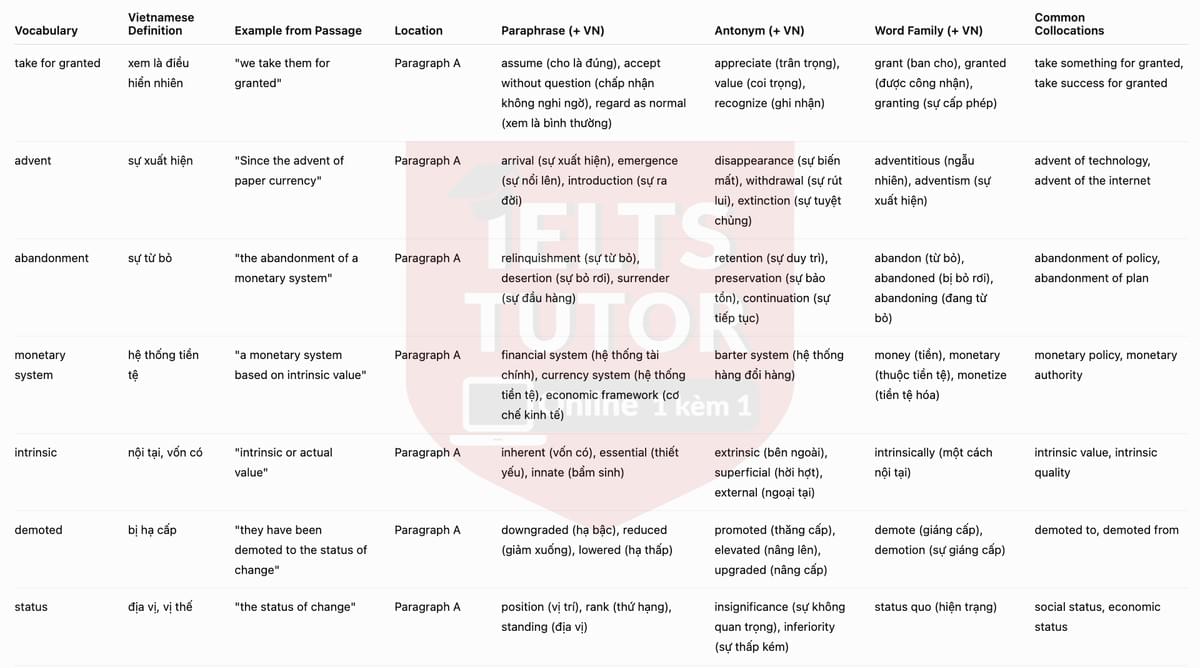
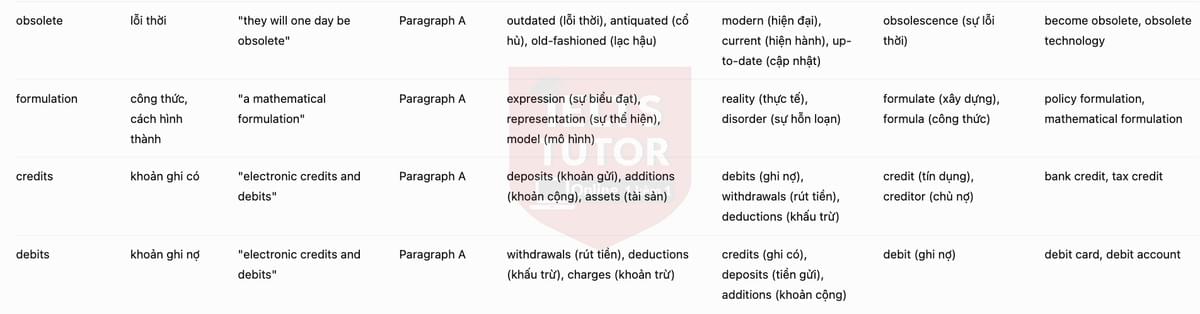
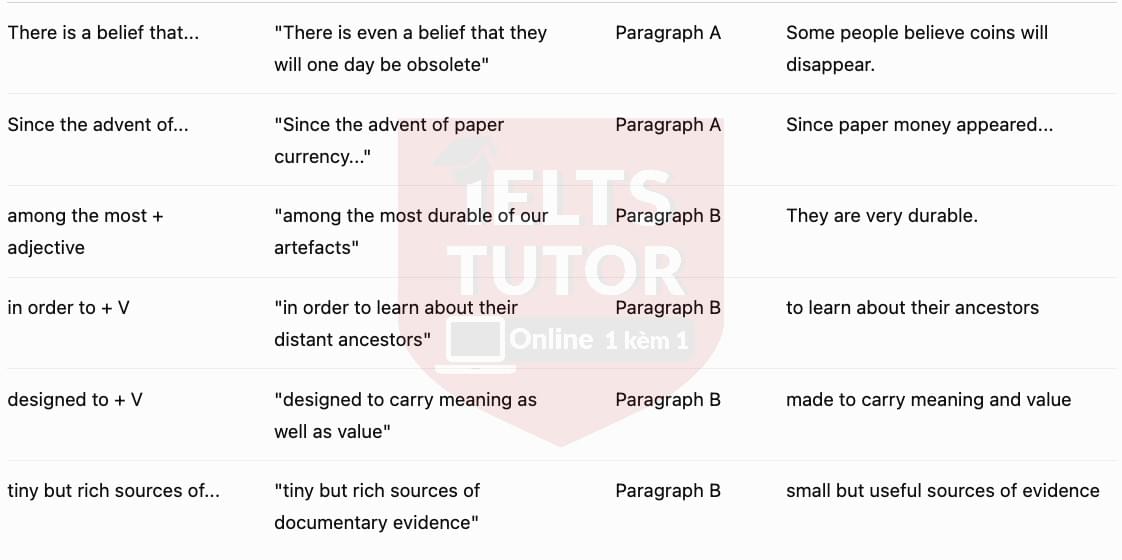
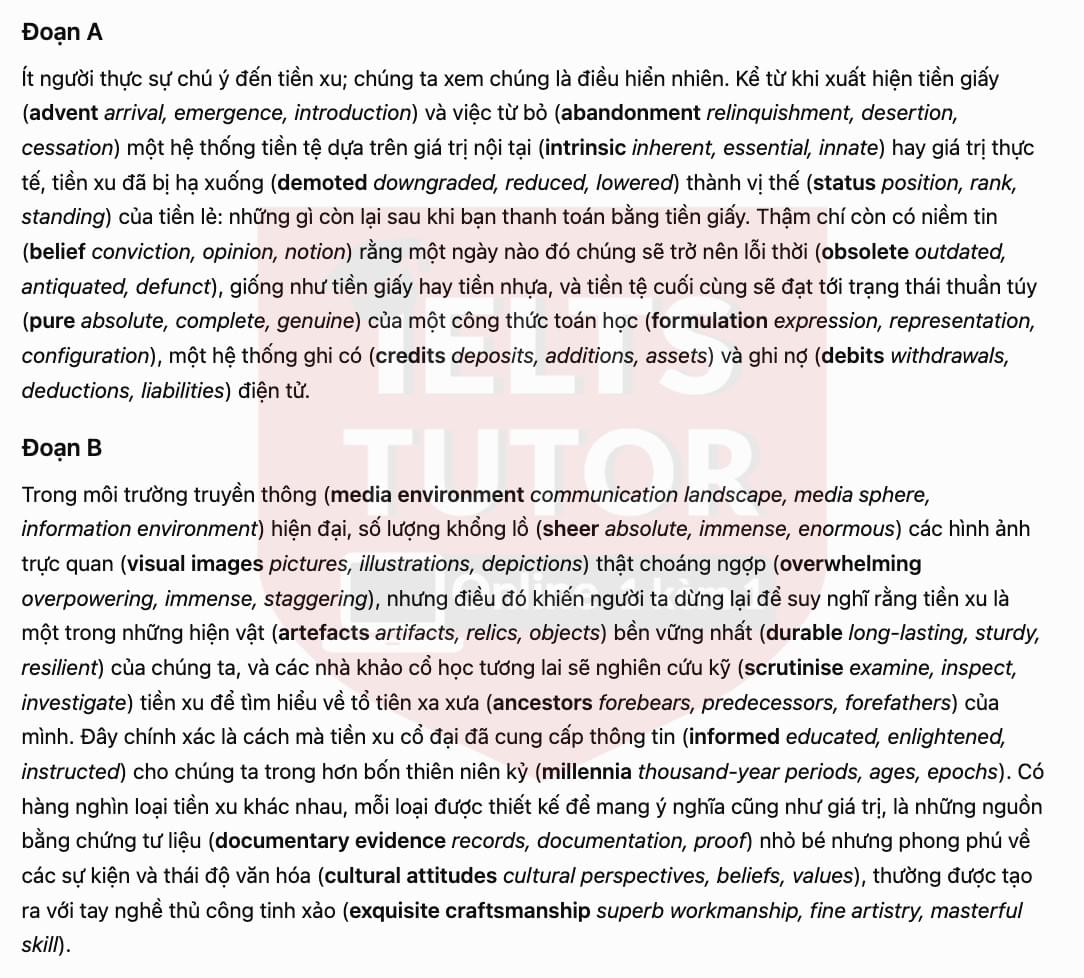
A Few people pay much attention to coins; we take them for granted. Since the advent of paper currency and the abandonment of a monetary system based on intrinsic or actual value, they have been demoted to the status of change: what is left when you have paid for something with 'paper' money. There is even a belief that they will one day be obsolete, as will paper or plastic notes, and money will at last have achieved the pure status of a mathematical formulation, a system of electronic credits and debits.
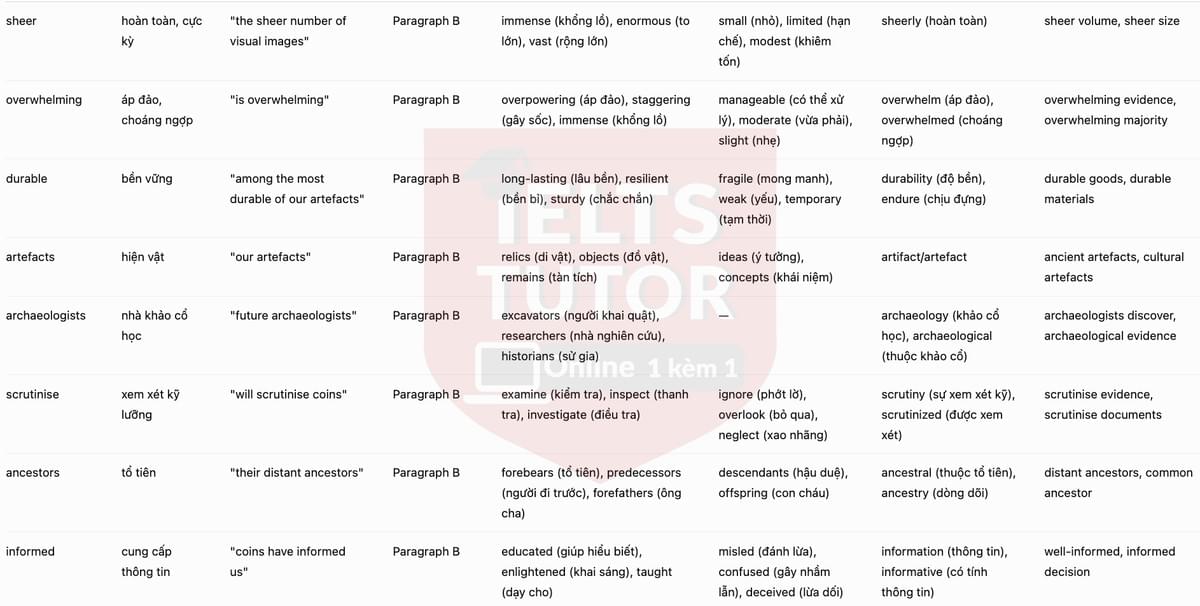
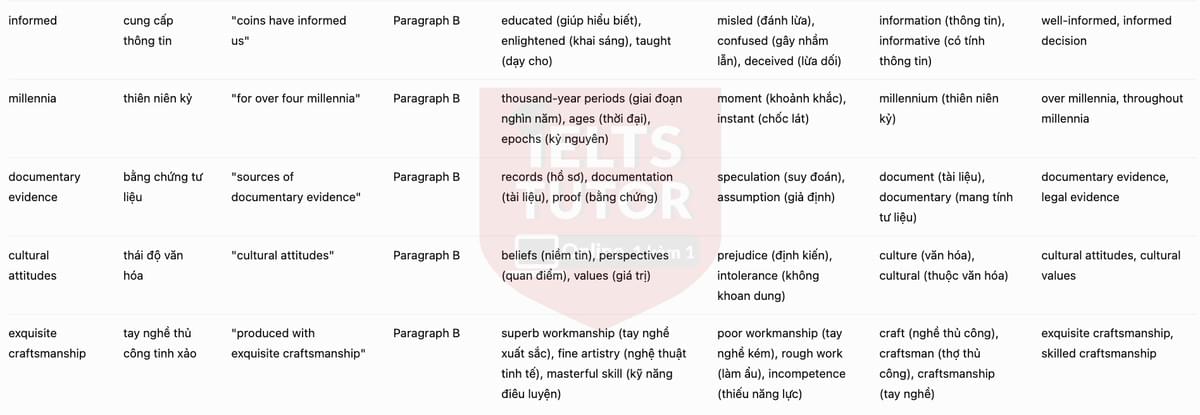
B In the modern media environment, the sheer number of visual images is overwhelming, but it makes one stop to think that coins are among the most durable of our artefacts, and future archaeologists will scrutinise coins in order to learn about their distant ancestors. This is exactly the way ancient coins have informed us for over four millennia. There are thousands of different coins, each designed to carry meaning as well as value, tiny but rich sources of documentary evidence about events and cultural attitudes, frequently produced with exquisite craftsmanship.
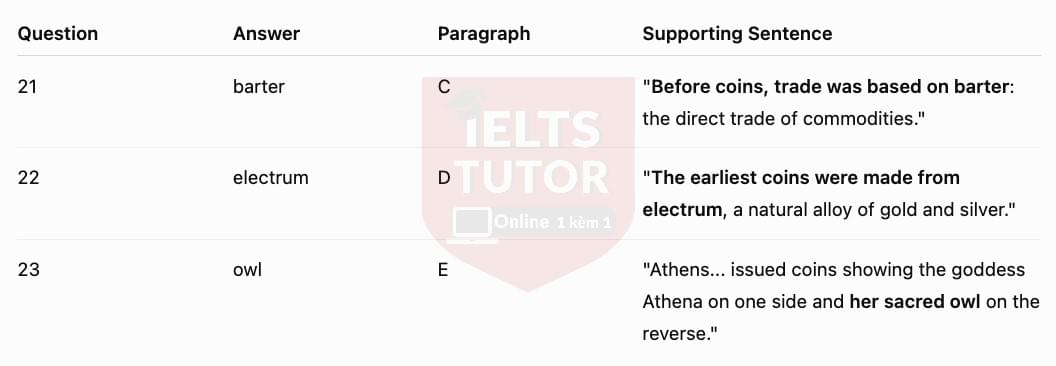
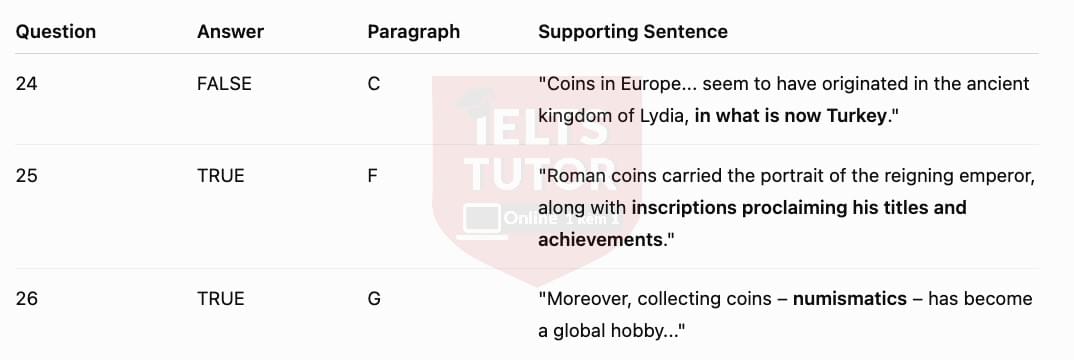
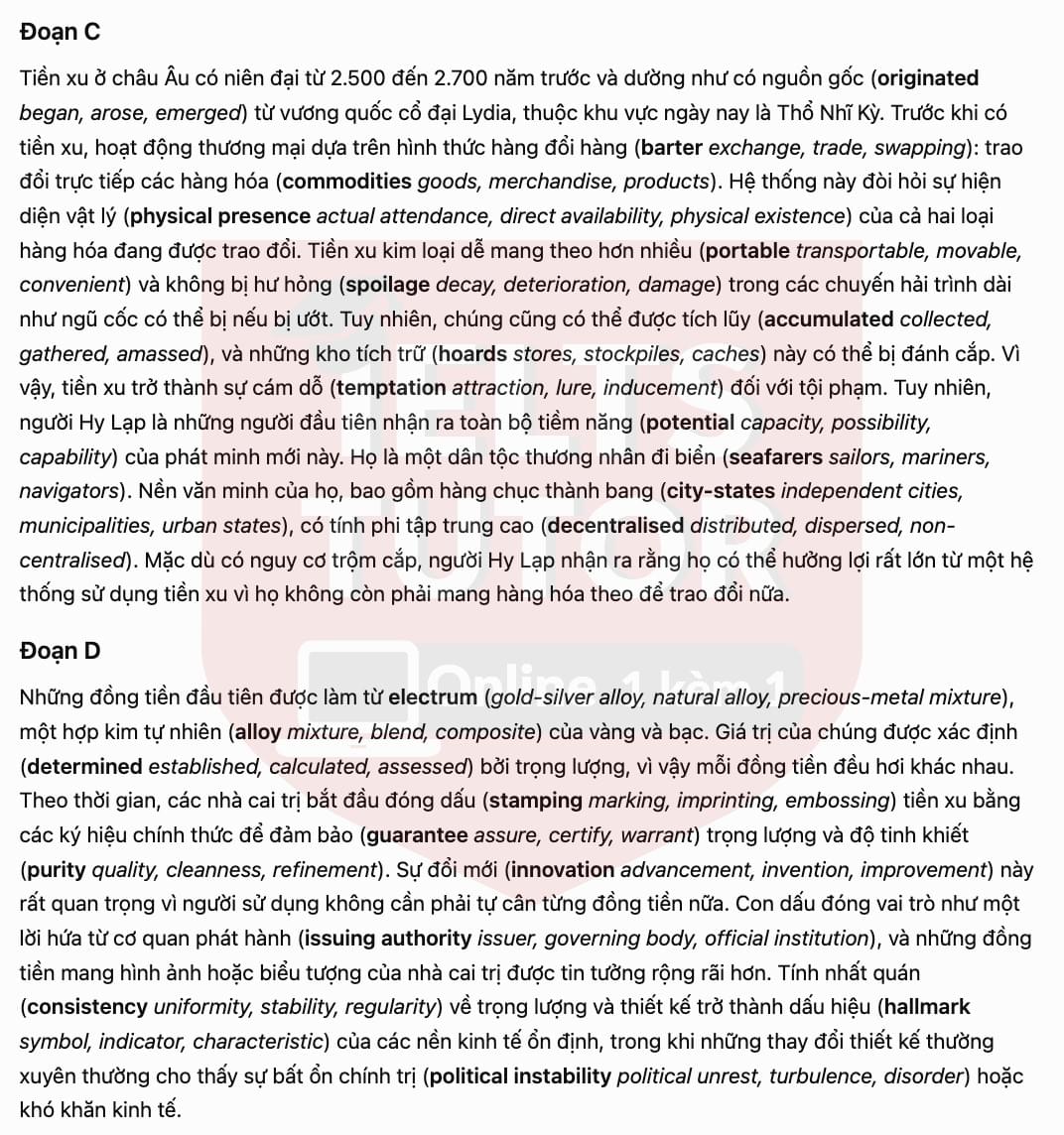
C Coins in Europe date from 2,500 to 2,700 years ago, and seem to have originated in the ancient kingdom of Lydia, in what is now Turkey. Before coins, trade was based on barter: the direct trade of commodities. Barter required the physical presence of both commodities that were being traded. Metal coins were far more portable, and not subject to the same spoilage on long sea journeys as a commodity like grain might be if it became wet. However, they could also be accumulated, and these hoards could be stolen. Coins were therefore a temptation to criminals. The Greeks, however, were the first to realise the full potential of the new invention. They were a trading people of seafarers. Their civilisation, which was composed of dozens of city-states, was highly decentralised. Despite the potential for theft, the Greeks realised that they could benefit enormously from a system that used coins, because it meant that they no longer had to carry goods with them to barter.
D The earliest coins were made from electrum, a natural alloy of gold and silver. Their value was determined by their weight, so every coin was slightly different. Over time, rulers began stamping coins with official marks to guarantee their weight and purity. This innovation was crucial because it meant that users did not need to weigh each coin themselves. The stamp served as a promise from the issuing authority, and coins that carried a ruler's image or symbol were trusted more widely. Consistency in weight and design became a hallmark of stable economies, while frequently changing designs often indicated political instability or economic difficulty.
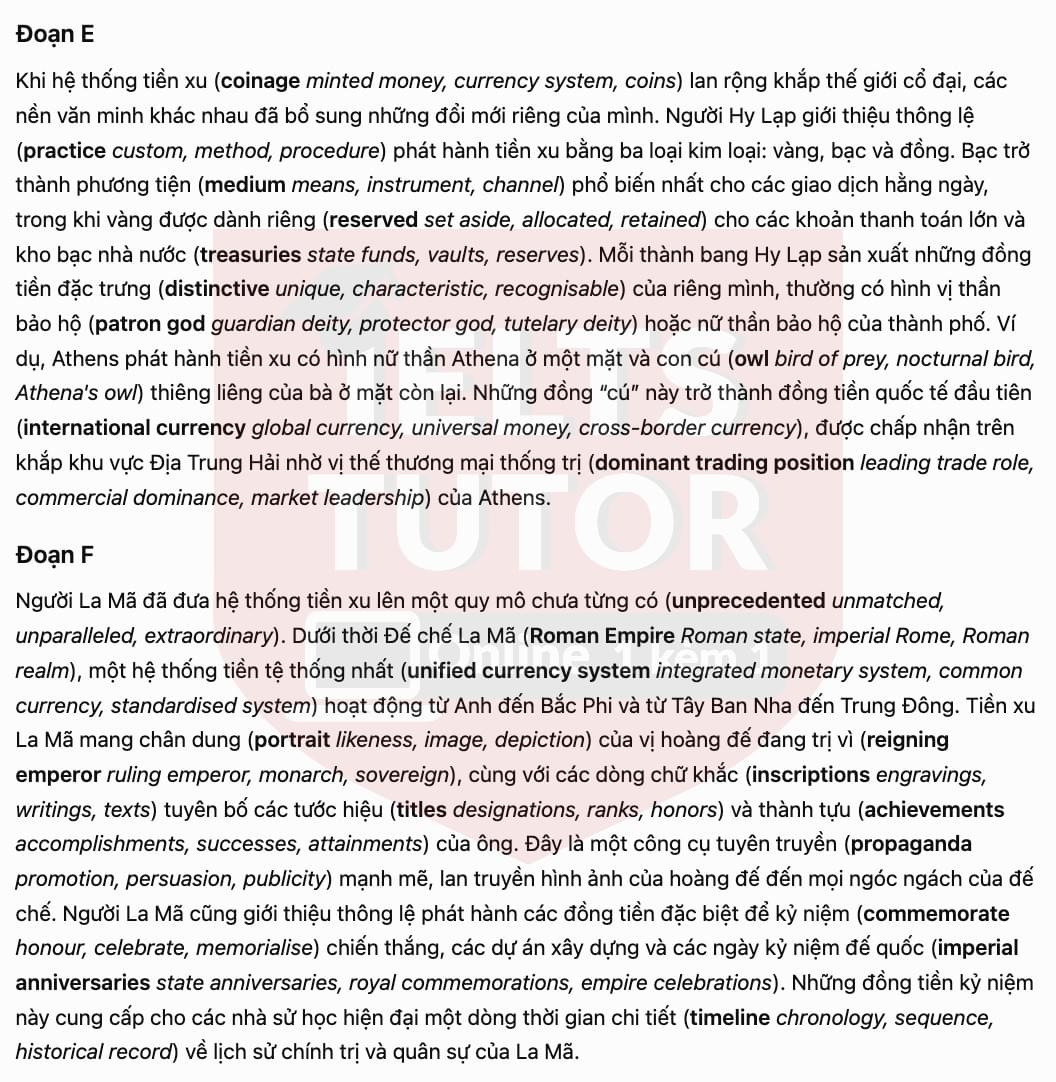
E As coinage spread across the ancient world, different civilisations added their own innovations. The Greeks introduced the practice of issuing coins in three metals: gold, silver, and bronze. Silver became the most common medium for everyday transactions, while gold was reserved for larger payments and state treasuries. Greek city-states each produced their own distinctive coins, often featuring the patron god or goddess of the city. Athens, for example, issued coins showing the goddess Athena on one side and her sacred owl on the reverse. These 'owls' became the first international currency, accepted throughout the Mediterranean world because of Athens' dominant trading position.
F The Romans took coinage to an unprecedented scale. Under the Roman Empire, a unified currency system operated from Britain to North Africa and from Spain to the Middle East. Roman coins carried the portrait of the reigning emperor, along with inscriptions proclaiming his titles and achievements. This was a powerful tool of propaganda, spreading the emperor's image to every corner of the empire. The Romans also introduced the practice of issuing special coins to commemorate victories, building projects, and imperial anniversaries. These commemorative coins provide modern historians with a detailed timeline of Roman political and military history.
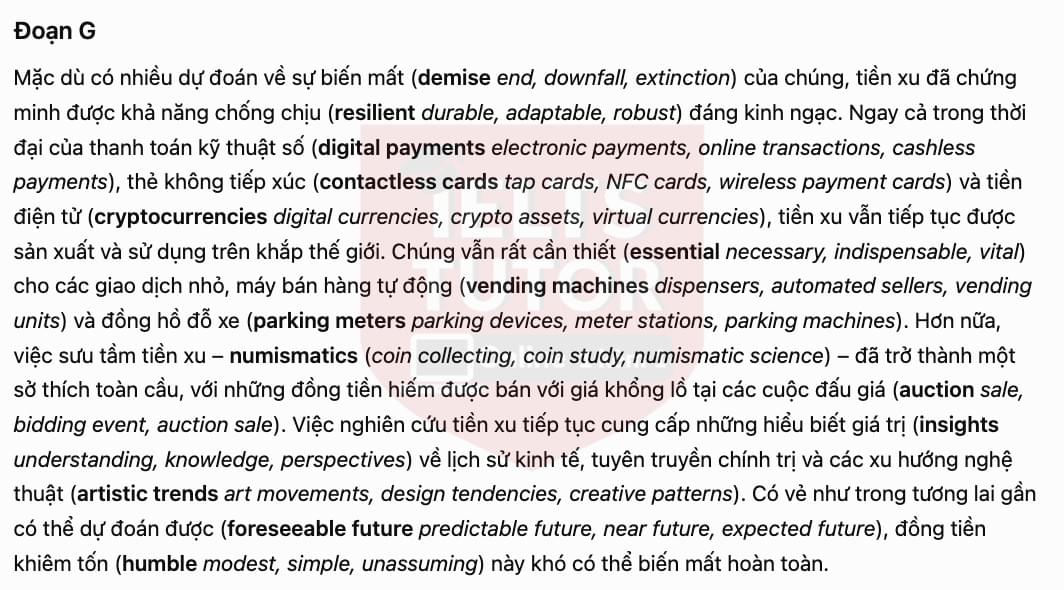
G Despite predictions of their demise, coins have proven remarkably resilient. Even in an age of digital payments, contactless cards, and cryptocurrencies, coins continue to be produced and used around the world. They remain essential for small transactions, vending machines, and parking meters. Moreover, collecting coins – numismatics – has become a global hobby, with rare coins fetching enormous sums at auction. The study of coins continues to provide valuable insights into economic history, political propaganda, and artistic trends. It seems that, for the foreseeable future, the humble coin is unlikely to disappear entirely.
Choose the correct heading i–xi for each paragraph.
NO MORE THAN TWO WORDS from the passage.
III. Coins – the first form of money: Đề luyện tập IELTS READING (IELTS Reading Practice Test)
READING PASSAGE 2
You should spend about 20 minutes on Questions 14–26, which are based on Reading Passage 2 below.
Coins – the first form of money
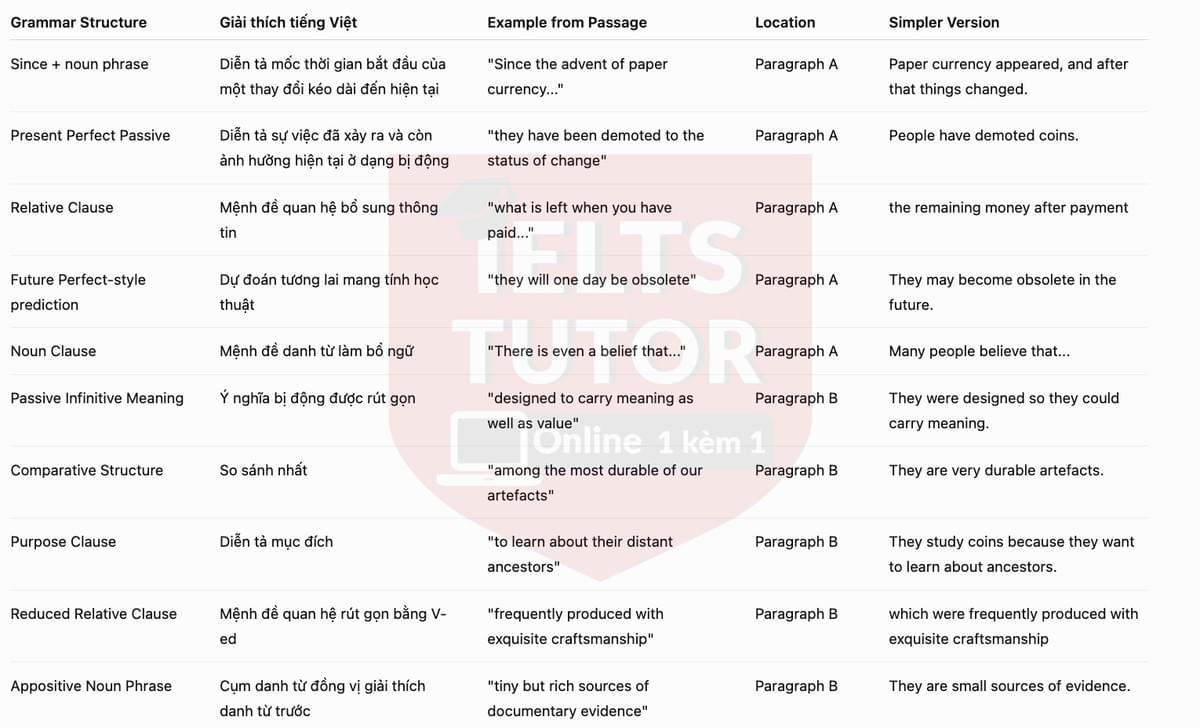
A Few people pay much attention to coins; we take them for granted. Since the advent of paper currency and the abandonment of a monetary system based on intrinsic or actual value, they have been demoted to the status of change: what is left when you have paid for something with 'paper' money. There is even a belief that they will one day be obsolete, as will paper or plastic notes, and money will at last have achieved the pure status of a mathematical formulation, a system of electronic credits and debits.
B In the modern media environment, the sheer number of visual images is overwhelming, but it makes one stop to think that coins are among the most durable of our artefacts, and future archaeologists will scrutinise coins in order to learn about their distant ancestors. This is exactly the way ancient coins have informed us for over four millennia. There are thousands of different coins, each designed to carry meaning as well as value, tiny but rich sources of documentary evidence about events and cultural attitudes, frequently produced with exquisite craftsmanship. >> 🔥 Form đăng kí giải đề thi thật IELTS 4 kĩ năng kèm bài giải bộ đề 100 đề PART 2 IELTS SPEAKING quý đang thi (update hàng tuần) từ IELTS TUTOR
C Coins in Europe date from 2,500 to 2,700 years ago, and seem to have originated in the ancient kingdom of Lydia, in what is now Turkey. Before coins, trade was based on barter: the direct trade of commodities. Barter required the physical presence of both commodities that were being traded. Metal coins were far more portable, and not subject to the same spoilage on long sea journeys as a commodity like grain might be if it became wet. However, they could also be accumulated, and these hoards could be stolen. Coins were therefore a temptation to criminals. The Greeks, however, were the first to realise the full potential of the new invention. They were a trading people of seafarers. Their civilisation, which was composed of dozens of city-states, was highly decentralised. Despite the potential for theft, the Greeks realised that they could benefit enormously from a system that used coins, because it meant that they no longer had to carry goods with them to barter.
D The earliest coins were made from electrum, a natural alloy of gold and silver. Their value was determined by their weight, so every coin was slightly different. Over time, rulers began stamping coins with official marks to guarantee their weight and purity. This innovation was crucial because it meant that users did not need to weigh each coin themselves. The stamp served as a promise from the issuing authority, and coins that carried a ruler's image or symbol were trusted more widely. Consistency in weight and design became a hallmark of stable economies, while frequently changing designs often indicated political instability or economic difficulty.
E As coinage spread across the ancient world, different civilisations added their own innovations. The Greeks introduced the practice of issuing coins in three metals: gold, silver, and bronze. Silver became the most common medium for everyday transactions, while gold was reserved for larger payments and state treasuries. Greek city-states each produced their own distinctive coins, often featuring the patron god or goddess of the city. Athens, for example, issued coins showing the goddess Athena on one side and her sacred owl on the reverse. These 'owls' became the first international currency, accepted throughout the Mediterranean world because of Athens' dominant trading position.
F The Romans took coinage to an unprecedented scale. Under the Roman Empire, a unified currency system operated from Britain to North Africa and from Spain to the Middle East. Roman coins carried the portrait of the reigning emperor, along with inscriptions proclaiming his titles and achievements. This was a powerful tool of propaganda, spreading the emperor's image to every corner of the empire. The Romans also introduced the practice of issuing special coins to commemorate victories, building projects, and imperial anniversaries. These commemorative coins provide modern historians with a detailed timeline of Roman political and military history.
G Despite predictions of their demise, coins have proven remarkably resilient. Even in an age of digital payments, contactless cards, and cryptocurrencies, coins continue to be produced and used around the world. They remain essential for small transactions, vending machines, and parking meters. Moreover, collecting coins – numismatics – has become a global hobby, with rare coins fetching enormous sums at auction. The study of coins continues to provide valuable insights into economic history, political propaganda, and artistic trends. It seems that, for the foreseeable future, the humble coin is unlikely to disappear entirely.
>> 🔥 Nhắn zalo 0905834420 join group zalo Hóng đề thi máy 4 skills để cập nhật đề thi thật 4 kĩ năng hằng ngày [Kèm giải & đề làm online]
Questions 14–20
Reading Passage 2 has seven paragraphs, A–G.
Choose the correct heading for each paragraph from the list of headings below.
Write the correct number, i–xi, in boxes 14–20 on your answer sheet.
List of Headings
| i | Training coin makers |
| ii | A form of regional promotion |
| iii | More gold than silver in Greece |
| iv | Calculating what a coin was worth |
| v | A simpler, more efficient way of trading |
| vi | Putting a face to famous historical names |
| vii | An uncertain future |
| viii | Careless workmanship caused breakages |
| ix | Unchanging coins signalled trustworthiness |
| x | Reading the writing on coins |
| xi | Significant records of past societies |
14 Paragraph A
15 Paragraph B
16 Paragraph C
17 Paragraph D
18 Paragraph E
19 Paragraph F
20 Paragraph G
>> 🔥 IELTS TUTOR gợi ý tham khảo CẦN VIẾT & THU ÂM BAO NHIÊU BÀI ĐỂ ĐẠT 8.0 SPEAKING & 7.0 WRITING?
Questions 21–23
Complete the sentences below.
Choose NO MORE THAN TWO WORDS from the passage for each answer.
Write your answers in boxes 21–23 on your answer sheet.
21 Before the invention of coins, trade was conducted through a system called _______________.
22 The earliest coins were made from a natural alloy of gold and silver known as _______________.
23 The coins of Athens featuring Athena and her sacred _______________ became the first international currency.
Questions 24–26
Do the following statements agree with the information given in Reading Passage 2?
In boxes 24–26 on your answer sheet, write
| TRUE | if the statement agrees with the information |
| FALSE | if the statement contradicts the information |
| NOT GIVEN | if there is no information on this |
24 The ancient kingdom of Lydia was located in what is now modern-day Greece.
25 Roman coins often carried inscriptions that promoted the emperor's achievements.
26 The study of coins is known as numismatics.
IV. Dịch bài đọc Coins – the first form of money
V. Giải thích từ vựng Coins – the first form of money
VI. Giải thích cấu trúc ngữ pháp khó Coins – the first form of money
VII. Đáp án Coins – the first form of money
14. vii
15. xi
16. v
17. ix
18. ii
19. vi
20. vii
21. barter
22. electrum
23. owl
24. FALSE
25. TRUE
26. TRUE
📩 MN AI CHƯA CÓ ĐÁP ÁN FORECAST QUÝ MỚI PART 1-2-3 NHẮN ZL 0905834420 IELTS TUTOR GỬI FREE HẾT NHA

Các khóa học IELTS online 1 kèm 1 - 100% cam kết đạt target 6.0 - 7.0 - 8.0 - Đảm bảo đầu ra - Thi không đạt, học lại FREE
>> Thành tích học sinh IELTS TUTOR với hàng ngàn feedback được cập nhật hàng ngày
