
IELTS TUTOR cung cấp The Life of Louis Braille Đề luyện tập IELTS READING (IELTS Reading Practice Test) - Làm bài online format computer-based, kèm đáp án, dịch & giải thích từ vựng - cấu trúc ngữ pháp khó & GIẢI ĐÁP ÁN VỚI LOCATION
I. Kiến thức liên quan
📩 MN AI CHƯA CÓ ĐÁP ÁN FORECAST QUÝ MỚI PART 1-2-3 NHẮN ZL 0905834420 IELTS TUTOR GỬI FREE HẾT NHA
II. Làm bài online (kéo xuống cuối bài blog để xem giải thích từ vựng & cấu trúc cụ thể hơn)
READING PASSAGE 1
You should spend about 20 minutes on Questions 1–13, which are based on Reading Passage 1 below.
The Life of Louis Braille
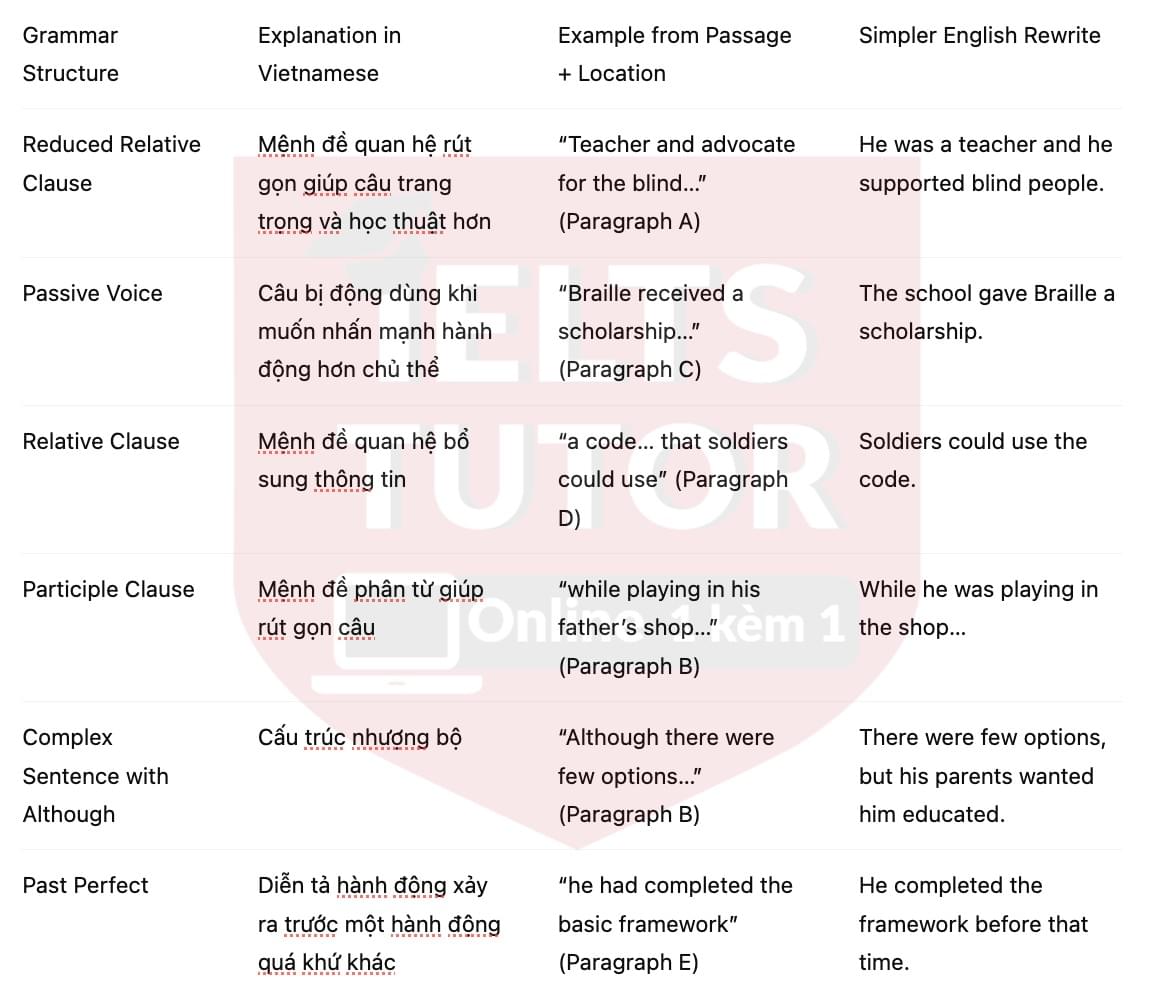
Teacher and advocate for the blind, Louis Braille designed the coding system, based on raised dots, by which the blind can read through touch.
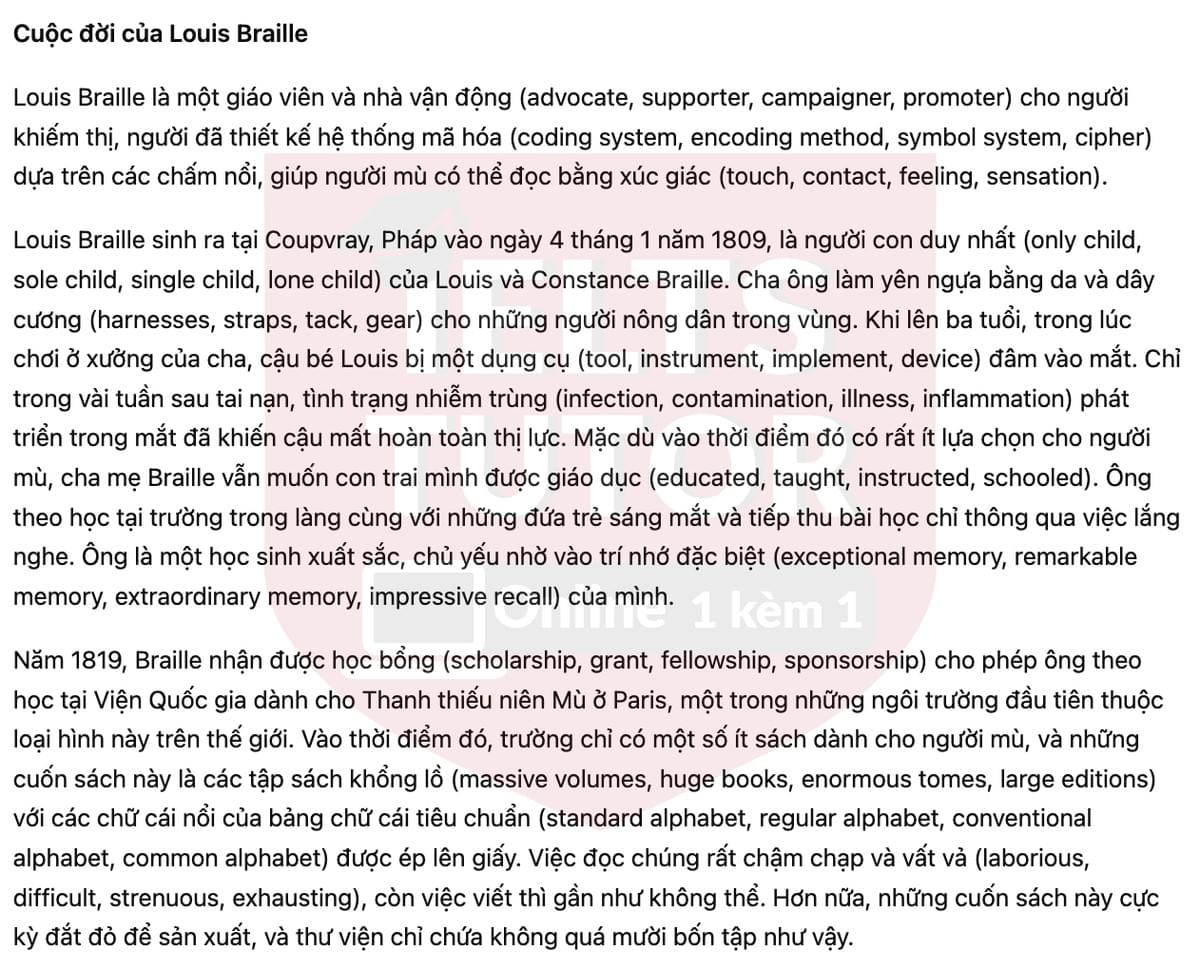
Louis Braille was born in Coupvray, France on January 4, 1809, the only child of Louis and Constance Braille. His father made leather saddles and harnesses for farmers in the area. At the age of three, while playing in his father's shop, young Louis was struck in the eye by a tool. Within weeks of the accident, the infection that had developed in his eyes took away his sight completely. Although there were few options for blind people at that time, Braille's parents wanted their son to be educated. He attended school in their village with sighted children and followed the lessons through listening alone. He was an excellent student, mostly because of his exceptional memory.
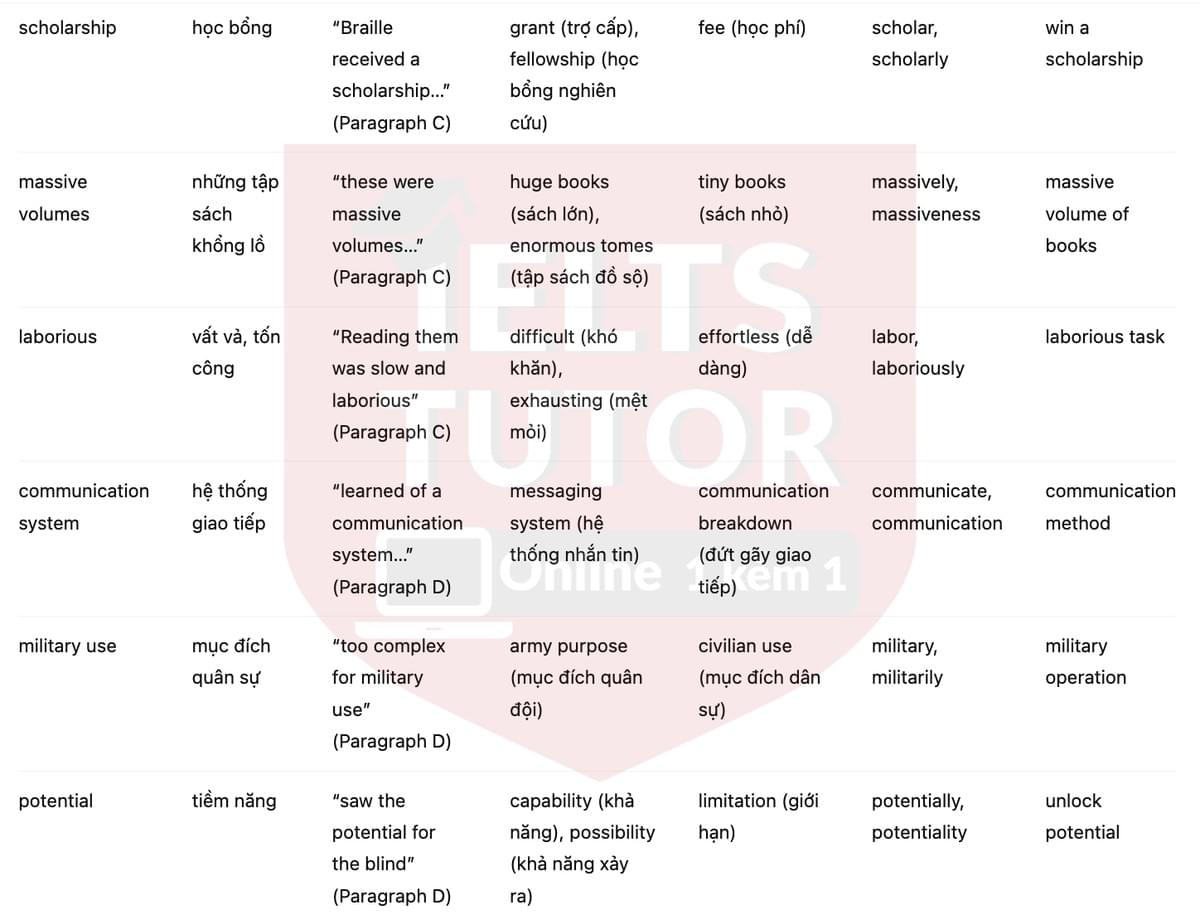
In 1819, Braille received a scholarship that enabled him to attend the Institut National des Jeunes Aveugles (National Institute for Blind Youth) in Paris, one of the first schools of its kind in the world. At that time, the school had only a handful of books for the blind, and these were massive volumes with raised letters of the standard alphabet pressed into the paper. Reading them was slow and laborious, and writing was nearly impossible. Moreover, the books were extremely expensive to produce, and the library contained no more than fourteen such volumes.
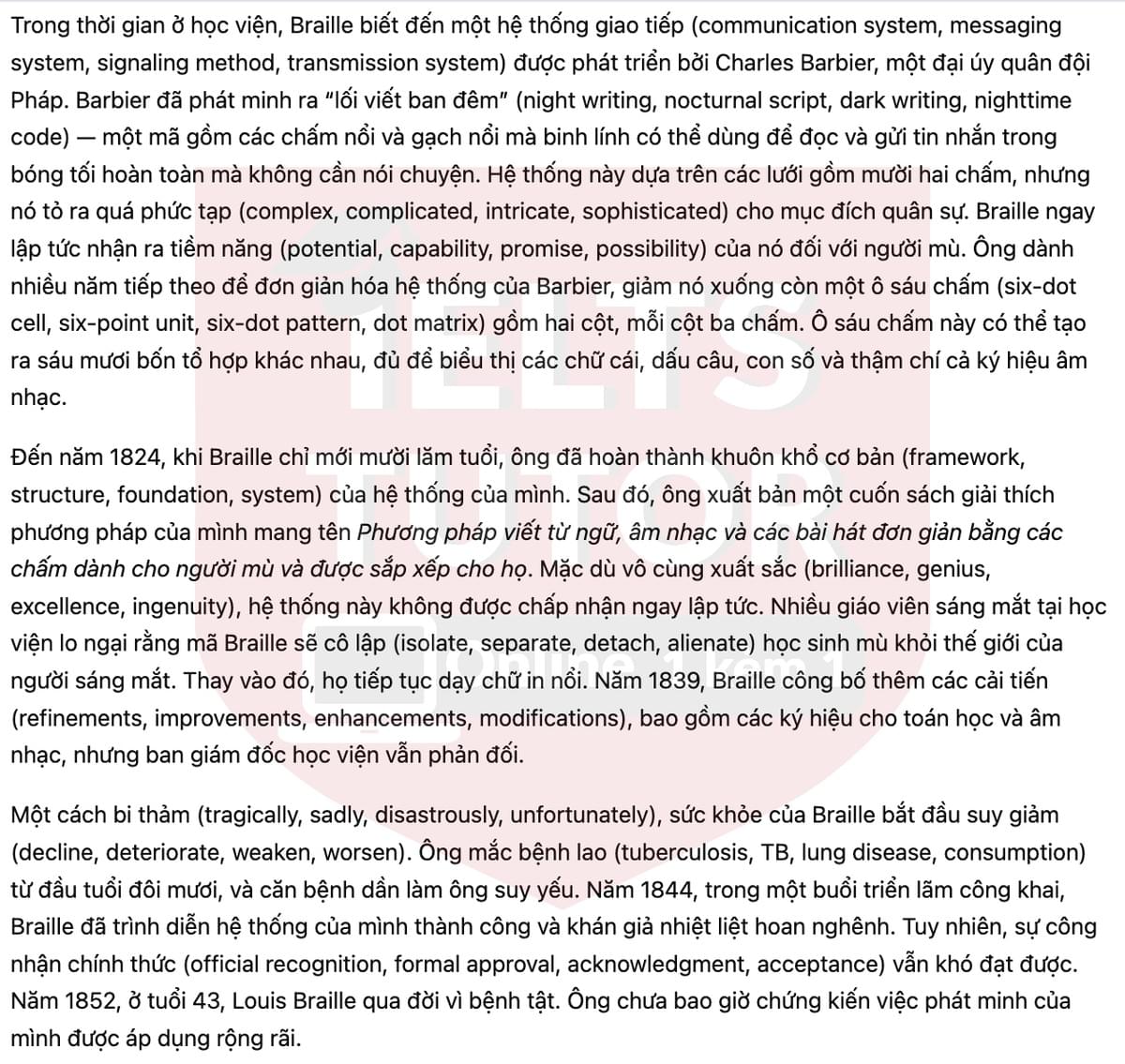
While at the institute, Braille learned of a communication system developed by Charles Barbier, a French army captain. Barbier had invented 'night writing' – a code of raised dots and dashes that soldiers could use to read and send messages in complete darkness without speaking. The system was based on grids of twelve dots, but it proved too complex for military use. Braille immediately saw the potential for the blind. He spent the next several years simplifying Barbier's system, reducing it to a six-dot cell (two columns of three dots each). This six-dot cell could produce sixty-four different combinations, enough to represent the letters of the alphabet, punctuation marks, numbers, and even musical notation.
By 1824, when Braille was just fifteen years old, he had completed the basic framework of his system. He later published a book explaining his method, titled Method of Writing Words, Music, and Plain Songs by Means of Dots, for the Use of the Blind and Arranged for Them. Despite its brilliance, the system was not immediately accepted. Many sighted teachers at the institute feared that Braille's code would isolate blind students from the sighted world. Instead, they continued to teach raised print letters. In 1839, Braille published further refinements, including symbols for mathematics and music, but the institute's directors remained resistant.
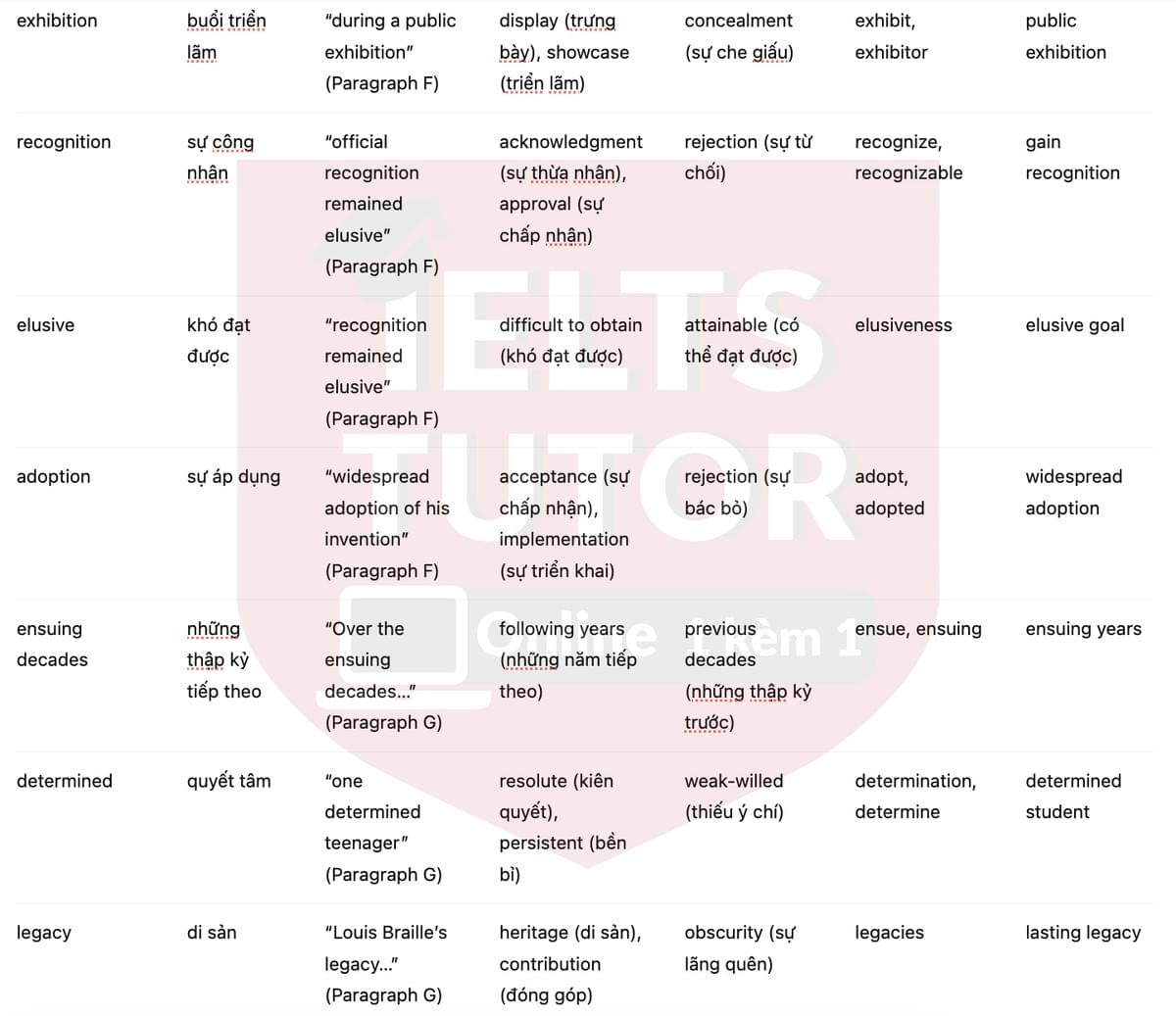
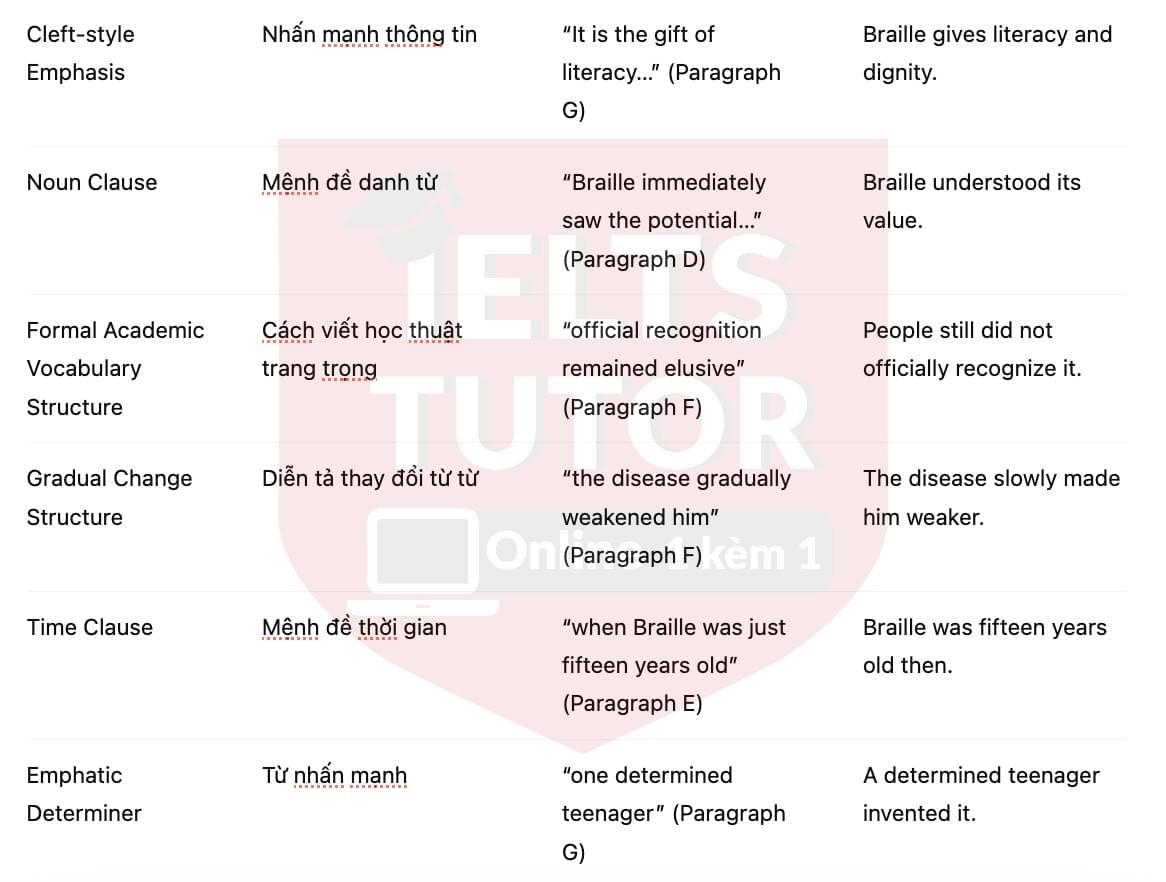
Tragically, Braille's own health began to decline. He had suffered from tuberculosis since his early twenties, and the disease gradually weakened him. In 1844, during a public exhibition, Braille demonstrated his system successfully, and the audience applauded enthusiastically. However, official recognition remained elusive. In 1852, at the age of 43, Louis Braille died from his illness. He never witnessed the widespread adoption of his invention.
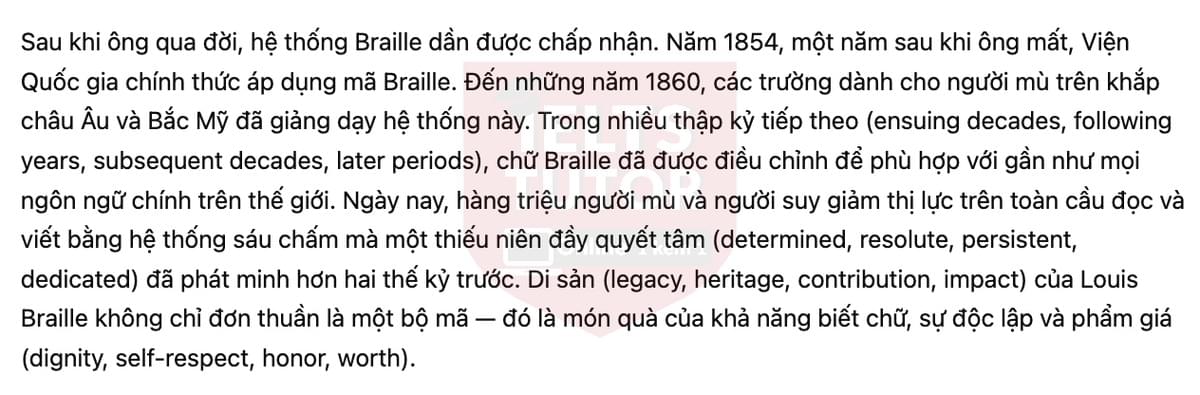
After his death, Braille's system gradually gained acceptance. In 1854, one year after his passing, the Institut National officially adopted the Braille code. By the 1860s, schools for the blind across Europe and North America were teaching it. Over the ensuing decades, Braille has been adapted into nearly every major language on earth. Today, millions of blind and visually impaired people around the world read and write using the six-dot system that one determined teenager invented over two centuries ago. Louis Braille's legacy is not merely a code – it is the gift of literacy, independence, and dignity.




III. The Life of Louis Braille: Đề luyện tập IELTS READING (IELTS Reading Practice Test)
READING PASSAGE 1
You should spend about 20 minutes on Questions 1–13, which are based on Reading Passage 1 below.
The Life of Louis Braille
Teacher and advocate for the blind, Louis Braille designed the coding system, based on raised dots, by which the blind can read through touch.
Louis Braille was born in Coupvray, France on January 4, 1809, the only child of Louis and Constance Braille. His father made leather saddles and harnesses for farmers in the area. At the age of three, while playing in his father's shop, young Louis was struck in the eye by a tool. Within weeks of the accident, the infection that had developed in his eyes took away his sight completely. Although there were few options for blind people at that time, Braille's parents wanted their son to be educated. He attended school in their village with sighted children and followed the lessons through listening alone. He was an excellent student, mostly because of his exceptional memory.
In 1819, Braille received a scholarship that enabled him to attend the Institut National des Jeunes Aveugles (National Institute for Blind Youth) in Paris, one of the first schools of its kind in the world. At that time, the school had only a handful of books for the blind, and these were massive volumes with raised letters of the standard alphabet pressed into the paper. Reading them was slow and laborious, and writing was nearly impossible. Moreover, the books were extremely expensive to produce, and the library contained no more than fourteen such volumes.
While at the institute, Braille learned of a communication system developed by Charles Barbier, a French army captain. Barbier had invented 'night writing' – a code of raised dots and dashes that soldiers could use to read and send messages in complete darkness without speaking. The system was based on grids of twelve dots, but it proved too complex for military use. Braille immediately saw the potential for the blind. He spent the next several years simplifying Barbier's system, reducing it to a six-dot cell (two columns of three dots each). This six-dot cell could produce sixty-four different combinations, enough to represent the letters of the alphabet, punctuation marks, numbers, and even musical notation. >> 🔥 Form đăng kí giải đề thi thật IELTS 4 kĩ năng kèm bài giải bộ đề 100 đề PART 2 IELTS SPEAKING quý đang thi (update hàng tuần) từ IELTS TUTOR
By 1824, when Braille was just fifteen years old, he had completed the basic framework of his system. He later published a book explaining his method, titled Method of Writing Words, Music, and Plain Songs by Means of Dots, for the Use of the Blind and Arranged for Them. Despite its brilliance, the system was not immediately accepted. Many sighted teachers at the institute feared that Braille's code would isolate blind students from the sighted world. Instead, they continued to teach raised print letters. In 1839, Braille published further refinements, including symbols for mathematics and music, but the institute's directors remained resistant.
Tragically, Braille's own health began to decline. He had suffered from tuberculosis since his early twenties, and the disease gradually weakened him. In 1844, during a public exhibition, Braille demonstrated his system successfully, and the audience applauded enthusiastically. However, official recognition remained elusive. In 1852, at the age of 43, Louis Braille died from his illness. He never witnessed the widespread adoption of his invention.
After his death, Braille's system gradually gained acceptance. In 1854, one year after his passing, the Institut National officially adopted the Braille code. By the 1860s, schools for the blind across Europe and North America were teaching it. Over the ensuing decades, Braille has been adapted into nearly every major language on earth. Today, millions of blind and visually impaired people around the world read and write using the six-dot system that one determined teenager invented over two centuries ago. Louis Braille's legacy is not merely a code – it is the gift of literacy, independence, and dignity.
Questions 1–5
Do the following statements agree with the information given in Reading Passage 1?
Write TRUE, FALSE, or NOT GIVEN.
Louis Braille was the oldest child in his family.
He lost his sight immediately after the accident in his father's workshop.
Braille attended a school for blind children before going to Paris.
Charles Barbier originally designed his code for military purposes.
The Institut National officially adopted the Braille system before Braille died. >> 🔥 Nhắn zalo 0905834420 join group zalo Hóng đề thi máy 4 skills để cập nhật đề thi thật 4 kĩ năng hằng ngày [Kèm giải & đề làm online]
Questions 6–9
Complete the sentences below.
Choose NO MORE THAN TWO WORDS from the passage for each answer.
Braille's father produced leather ………………… for local farmers.
Before Braille's system, books for the blind used raised letters of the ………………… .
Barbier's 'night writing' was based on grids of ………………… dots.
Braille published his first complete system when he was only ………………… years old.
Questions 10–13
Choose the correct letter, A, B, C, or D.
10. Why did Braille succeed as a student in his village school?
A) He had excellent teachers.
B) He possessed an extraordinary memory.
C) He used special books for the blind.
D) His parents helped him at home.
11. What was a major disadvantage of raised-print books?
A) They were too small to read.
B) They could only be used during the day.
C) They were slow to read and very expensive.
D) They did not include musical notation. >> 🔥 IELTS TUTOR gợi ý tham khảo CẦN VIẾT & THU ÂM BAO NHIÊU BÀI ĐỂ ĐẠT 8.0 SPEAKING & 7.0 WRITING?
12. Why did some teachers initially reject Braille's system?
A) They thought it was too difficult to learn.
B) They feared it would separate blind people from the sighted world.
C) They had invented their own system for reading.
D) They believed blind people should not learn to read.
13. What is the author's main purpose in writing this passage?
A) To describe the history of blind education in France
B) To compare different reading systems for the blind
C) To explain the life and achievements of Louis Braille
D) To argue that Braille was not recognised during his lifetime
IV. Dịch bài đọc The Life of Louis Braille
V. Giải thích từ vựng The Life of Louis Braille

VI. Giải thích cấu trúc ngữ pháp khó The Life of Louis Braille
VII. Đáp án The Life of Louis Braille
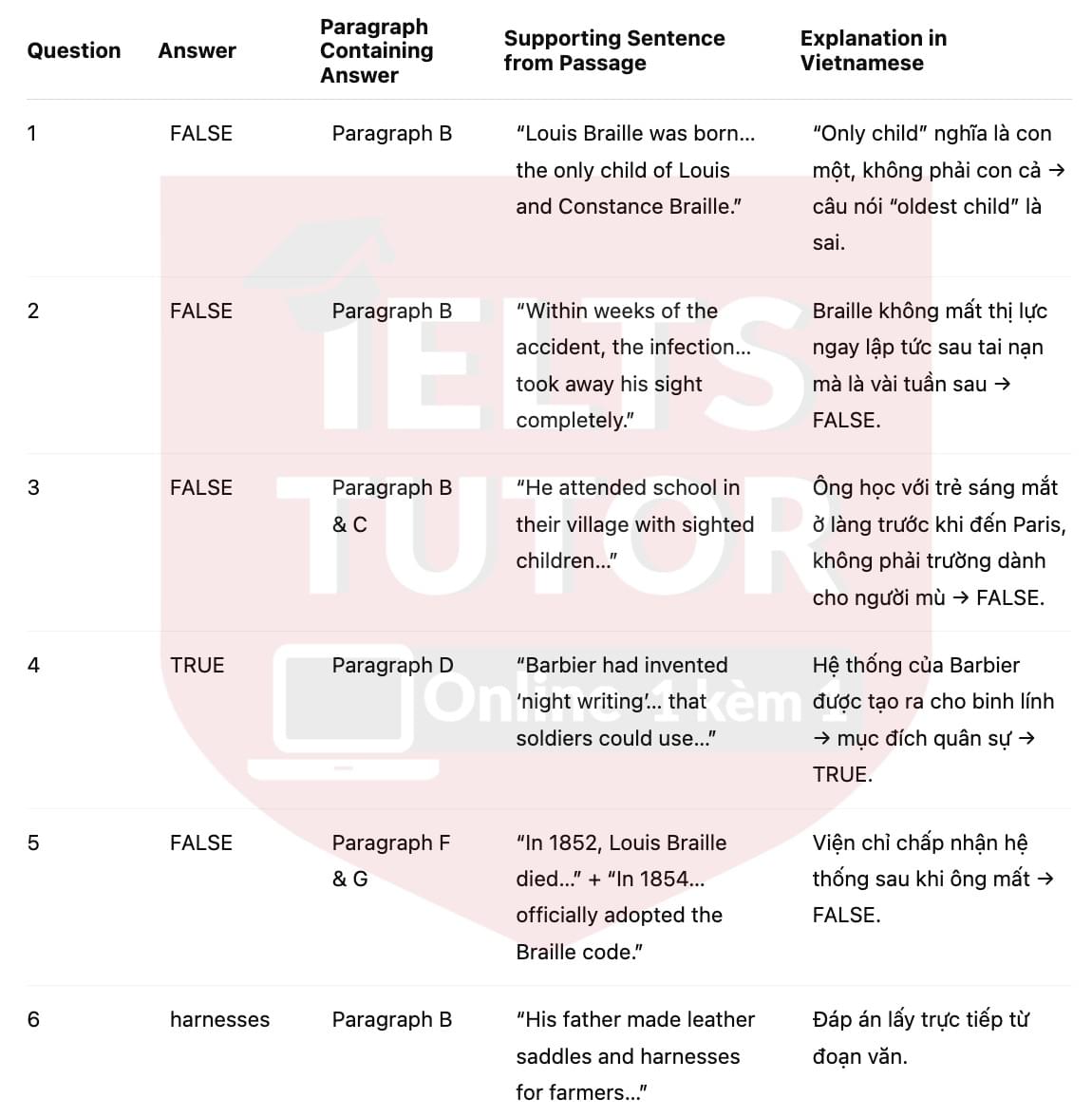
1. FALSE
2. FALSE
3. FALSE
4. TRUE
5. FALSE
6. harnesses
7. standard alphabet
8. twelve
9. fifteen
10. B
11. C
12. B
13. C
📩 MN AI CHƯA CÓ ĐÁP ÁN FORECAST QUÝ MỚI PART 1-2-3 NHẮN ZL 0905834420 IELTS TUTOR GỬI FREE HẾT NHA

Các khóa học IELTS online 1 kèm 1 - 100% cam kết đạt target 6.0 - 7.0 - 8.0 - Đảm bảo đầu ra - Thi không đạt, học lại FREE
>> Thành tích học sinh IELTS TUTOR với hàng ngàn feedback được cập nhật hàng ngày
